
South Africa offers the widest safari budget range on the continent, from affordable self-drive adventures in Kruger to all-inclusive ultra-luxury stays in private reserves. Understanding what drives the difference helps you spend wisely and experience exactly the Africa you are dreaming of.
South Africa is arguably the most flexible safari destination in Africa. Nowhere else on the continent can you choose between a self-catering camping trip in a national park and a butler-attended suite overlooking an elephant wallow, often within an hour's drive of each other. That breadth makes South Africa an exceptional entry point for first-time safari-goers and an endlessly rewarding return for seasoned travellers. The key is understanding what shapes the price and deciding, honestly, what kind of experience you are after.
The spectrum: Kruger to the private reserves
South Africa's safari landscape divides, roughly, into two worlds. The first is Kruger National Park, vast, government-run, and genuinely accessible. The second is the constellation of private game reserves that border or surround Kruger, most famously the Sabi Sand, Timbavati, and Klaserie. Between them sits almost every price point imaginable.
In Kruger itself, a self-drive visitor staying in a mid-range rest camp can expect to spend approximately USD 150–300 per person per day all-in, including park fees, accommodation at a mid-range rest camp, meals, and a hire vehicle shared between two. That figure is remarkable by any African safari standard. You drive your own vehicle on tarred roads, consult a map, and make your own decisions about where and when to stop. The wildlife is outstanding, Kruger holds Africa's largest population of leopard, and the Big Five are all present, but you are restricted to the road network and cannot leave your vehicle outside designated areas.
Step into the Sabi Sand or another premium private reserve and the experience shifts entirely. Here, rates at the most celebrated lodges run USD 1,500–3,000 or more per person per night, fully inclusive of accommodation, all meals, twice-daily game drives, and a private ranger and tracker. The conservation fees are wrapped in, the wine is poured at dinner, and the vehicle goes off-road, following a leopard through the bush at dusk.
Between these poles lies a healthy middle ground: private game lodges in less-famous reserves, small-group tented camps, and family-friendly lodges in the malaria-free regions, typically ranging from USD 400–1,200 per person per night all-inclusive.
What actually drives the price difference?
The gap between a Kruger rest camp and a five-star private lodge is not merely about thread counts and menu design. Several structural factors account for most of the cost difference.
- Off-road traversing rights. Private reserves grant their lodges the right to drive anywhere within a defined concession. A skilled tracker can follow a pride of lions into thick bush, position the vehicle for an unobstructed sighting, and stay until the light fades. Kruger's road network simply cannot replicate this.
- Dedicated ranger and tracker. At a premium private lodge, you are typically travelling with just six to eight guests in a purpose-built vehicle, guided by a professionally qualified ranger and an experienced tracker who work as a team. The quality of this guiding, the storytelling, the identification of minute signs, the depth of ecological knowledge, is often the single most memorable element of the stay.
- Exclusivity and land size. The most expensive lodges sit within enormous private concessions where few vehicles operate. You may spend an entire morning with a rhino and see no one else. That solitude costs money because it requires vast land under conservation management.
- All-inclusive pricing. Top-end lodges bundle everything: meals, game drives, bush walks, laundry, and often a selection of wines and spirits. When you compare nightly rates, it is essential to compare on a like-for-like basis, a $2,000 all-inclusive rate and a $400 room-only rate are not straightforwardly comparable once you add three meals, two guided game drives, and drinks.
- Infrastructure and design. Some lodges are genuinely architectural achievements, elevated suites with plunge pools, private ranger vehicles, star-gazing platforms, spa facilities. The capital cost of building and maintaining these in remote wilderness is reflected in the rate.
Malaria-free reserves: the family advantage
One of South Africa's greatest distinctions on the African safari map is its collection of malaria-free private game reserves, largely concentrated in the Eastern Cape and the North West Province (the Waterberg region and areas around the Pilanesberg). These reserves were established on restored farmland, and while they may lack the ancient wildness of Kruger or the Sabi Sand, they offer an outstanding Big Five experience without the need for anti-malarial medication.
For families travelling with young children, or for travellers who have medical reasons to avoid prophylactics, this changes the calculation significantly. Several of the Eastern Cape reserves, large, well-managed, and beautifully designed, position themselves squarely at the luxury end of the market, with rates typically in the USD 600–1,500 per person per night range, all-inclusive. Some offer dedicated family programmes, including junior ranger activities and child-friendly mealtimes, which are rare in the more exclusive northern reserves.
Choosing a malaria-free reserve does not mean compromising on the safari itself. The Eastern Cape in particular is known for exceptional rhino sightings and for the presence of the rare Eastern Cape lion, reintroduced to several properties.
Self-drive versus fully-hosted luxury lodge
The self-drive Kruger safari is a genuine and deeply satisfying experience, particularly for independent travellers comfortable navigating by map and making spontaneous decisions about where to stop. South Africa's roads are excellent by regional standards, cars are easy to hire, and the park's infrastructure, rest camps, fuel stations, information boards, is well maintained. A couple driving themselves through Kruger for five nights can assemble a memorable safari at a fraction of the cost of a fully hosted lodge stay.
The trade-off is that early-morning and late-evening game drives, often the most productive and atmospheric windows for wildlife, are effectively unavailable to self-drive visitors, as Kruger's gates close at dusk. You also lack the interpretive depth that a skilled ranger provides. Many experienced travellers combine the two: a self-drive section in Kruger followed by two or three nights at a private lodge, gaining the best of both worlds.
A fully hosted luxury lodge removes every logistical decision and replaces it with experience. Your ranger decides where to go based on real-time information from trackers across the reserve. Your chef accommodates your dietary preferences. There is a cold towel on your return, a cocktail at the open fire, and no thought required beyond what to wear to the bush dinner. For many travellers, particularly those with limited annual leave who want to arrive somewhere and simply be present, that reliability and quality of experience justifies the premium.
Typical total trip costs
As a rough guide, always subject to flight costs, the specific lodges chosen, and the time of year, consider the following broad ranges for a seven to ten night South Africa safari itinerary for two people travelling from the UK or US.
- Self-drive Kruger, mid-range camps: approximately USD 3,000–6,000 total for two over 7–10 nights, excluding international flights
- Combination self-drive Kruger plus mid-range private lodge (3–4 nights lodged): approximately USD 6,000–12,000 total for two
- Malaria-free family reserve, quality lodge (7 nights): approximately USD 10,000–20,000 total for two adults depending on property tier
- Premium Sabi Sand or comparable private reserve (5–7 nights), fully inclusive: approximately USD 18,000–40,000 or more for two
High season, typically June through October, when the bush is dry and wildlife congregates around water, commands the highest rates. The shoulder months of May and November can offer outstanding game-viewing at slightly reduced prices. Most Kruger-region lodges charge 10–25% more during peak season (June–October) than in shoulder months. May and November offer particularly strong value, with comparable game viewing at marginally lower rates. Some properties offer green-season reductions of 15–30% from January through March..
Why South Africa remains the most accessible luxury safari country
No other African destination offers the same combination of superb road infrastructure, world-class medical facilities in Johannesburg and Cape Town, direct flights from major hubs, English as a primary language, and a safari experience that scales from budget to truly ultra-luxury. The rand's exchange rate has also historically made South Africa's lodges exceptional value for US dollar and sterling travellers, though this fluctuates.
For a first safari, South Africa offers reassurance, the logistics are manageable, the malaria-free options reduce health complexity, and the quality of guiding at leading private reserves is among the finest in Africa. For returning safari travellers, the private reserves of the Greater Kruger area offer a depth and exclusivity that competes with anything in East Africa.
At Vencha, we plan every South Africa itinerary from scratch, drawing on time spent on the ground across the country's reserves. Whether your priority is value, family suitability, specific wildlife encounters, or pure indulgence, we match the lodges and routing to your aims, not to a pre-set package. If you are beginning to plan a South Africa safari, we are glad to talk through options and share honest guidance on where your budget will work hardest. We reply to all enquiries within 24 hours.
Frequently asked questions
Is South Africa cheaper than Kenya or Tanzania for a safari?
For a self-drive or mid-range safari, South Africa is significantly more affordable than East Africa, largely because of its road infrastructure, the absence of mandatory internal flights, and the range of self-catering accommodation in national parks. At the ultra-luxury end, prices are broadly comparable, the finest lodges in the Sabi Sand and the finest camps in the Serengeti operate in a similar price bracket. South Africa's advantage is the full spectrum it offers, including genuine budget and mid-range options that simply do not exist in the Masai Mara or the Serengeti.
How many nights should I spend on a South Africa safari?
Most experienced operators recommend a minimum of three nights at any given private lodge to give the game-viewing time to develop, you may see the lion pride on day two that eluded you on day one. A well-rounded safari itinerary typically runs seven to ten nights in the bush, which allows for two or three different areas or lodges. If you are combining a safari with Cape Town or the Winelands, allow at least five nights in the bush for a satisfying wildlife experience.
What is the best time of year to visit South Africa on safari?
The dry winter months of June through October are widely considered the best time for game-viewing across Kruger and the private reserves. Vegetation is sparse, animals gather at water sources, and the days are clear and mild, though nights can be very cold. The summer months (November through April) bring the rains, lush green landscapes, and an extraordinary concentration of migratory birds, though thick foliage can make sightings harder. The Eastern Cape and malaria-free reserves have a more moderate climate year-round. The Eastern Cape reserves enjoy a temperate climate year-round and have no defined dry season, making them one of the most consistent safari destinations regardless of month. The Madikwe and Waterberg reserves experience heat peaks in December and January but are accessible and rewarding year-round..
Are children welcome on South Africa safaris, and does it affect cost?
Many South African lodges, particularly the malaria-free properties in the Eastern Cape and the Waterberg, actively welcome children and offer dedicated family vehicles, junior ranger programmes, and child menus. Some of the more exclusive private reserves in Greater Kruger set a minimum age of typically six years for shared game vehicles at most properties, though some exclusive Sabi Sand lodges require ten or twelve years for shared departures. Private exclusive-use bookings often remove age minimums entirely, making this worth exploring for families with younger children. Where children are welcome, lodges often offer a reduced child rate or, in some cases, allow young children to stay free when sharing a family unit. Family pricing varies considerably by property and season, and it is worth discussing your family's specific ages and interests when planning, as this shapes both the reserve choice and the lodge selection.
Let us turn this into your trip
Every Vencha journey is tailor-made from real on-ground experience. Share your dates and a specialist will reply within 24 hours.
Plan your safari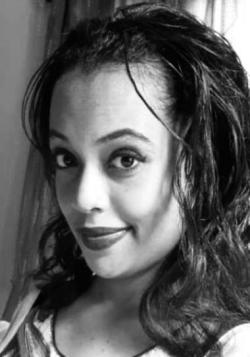
Salma is a Safari Consultant and Reservations Specialist at Vencha Travel & Tours, based in Arusha, Tanzania the gateway to some of Africa's most iconic wilderness destinations. With deep roots in East African travel and a passion for crafting unforgettable safari experiences, Salma brings personal warmth and expert local knowledge to every trip she plans. From the sweeping plains of the Serengeti to the turquoise waters of Zanzibar, Salma's writing reflects her genuine love for Tanzania's landscapes and wildlife. Whether you're a first-time safari-goer or a seasoned explorer, her insights are your guide to making the most of every adventure.