
Uganda vs. Rwanda gorilla trekking: which is best? This expert guide compares $800 vs. $1,500 permit costs, dense terrain vs. easy access, and mid-range safari circuits vs. ultra-luxury lodges.
What Makes Gorilla Trekking Uganda vs Rwanda Such a Hotly Debated Choice?
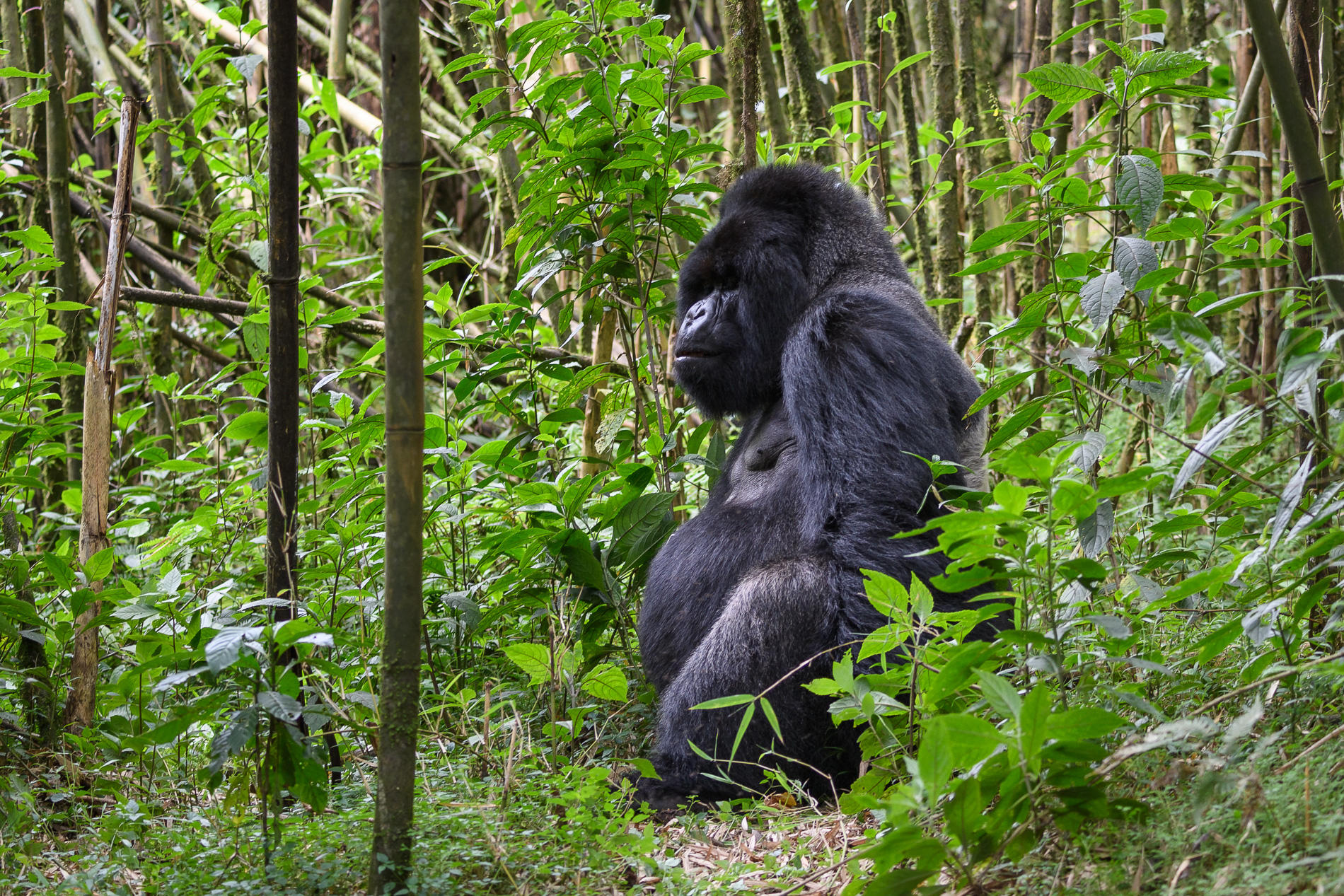 Deciding between gorilla trekking Uganda vs Rwanda is one of the most common questions we hear from clients planning an East Africa safari. Both countries offer genuine, face-to-face encounters with wild mountain gorillas - the silverback sitting three metres away, watching you with an intelligence that stops you mid-breath. Yet the two destinations deliver that encounter through completely different journeys, forests, permit systems, and price points.
After more than a decade guiding clients through both Bwindi Impenetrable Forest and Volcanoes National Park, the honest answer is: neither destination is objectively better. The right choice depends on your budget, your travel style, how much time you have, and whether you want to pair gorilla trekking with a broader East Africa itinerary. This guide lays out every meaningful difference so you can self-select with confidence.
The Gorillas: Population and Habituated Groups
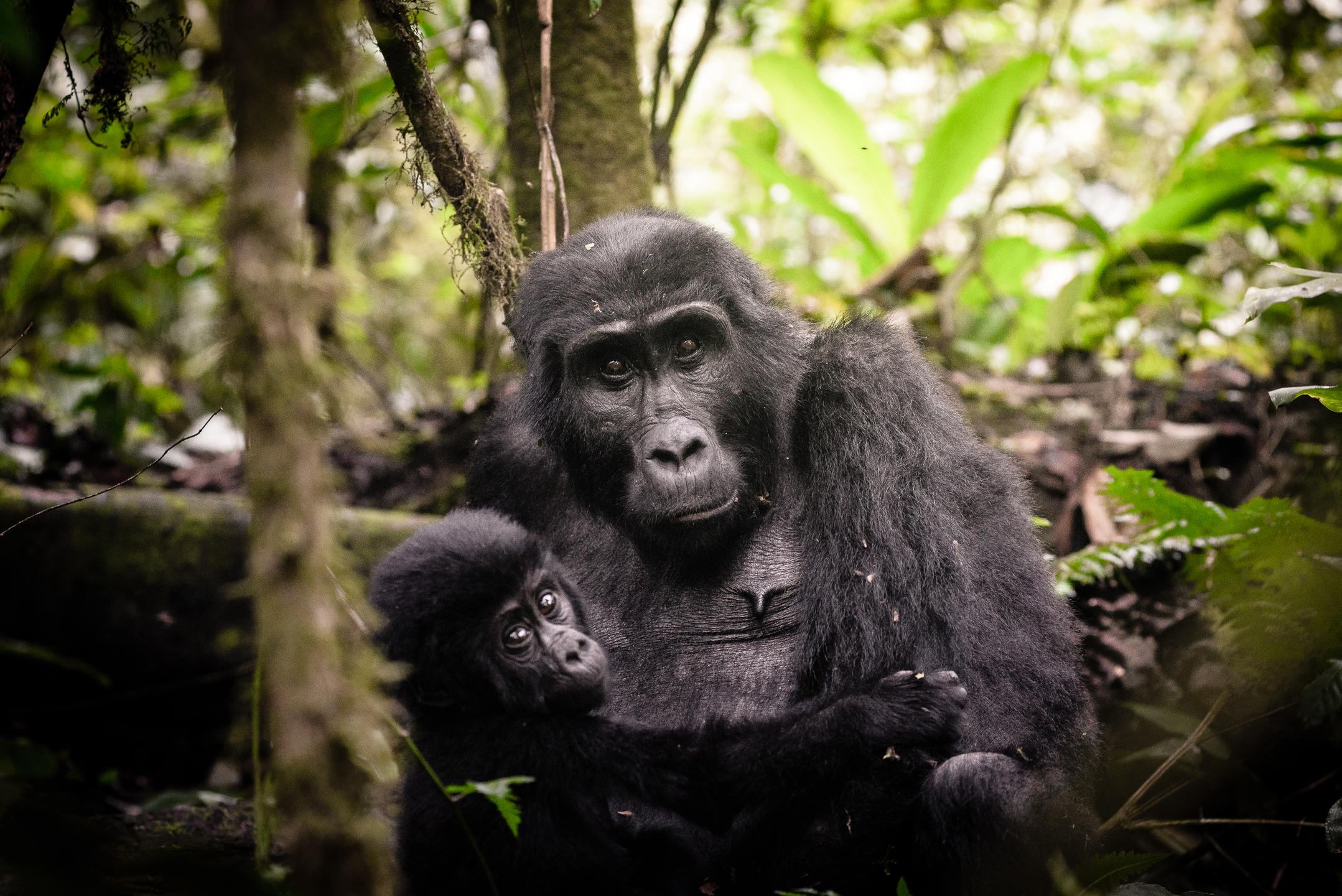
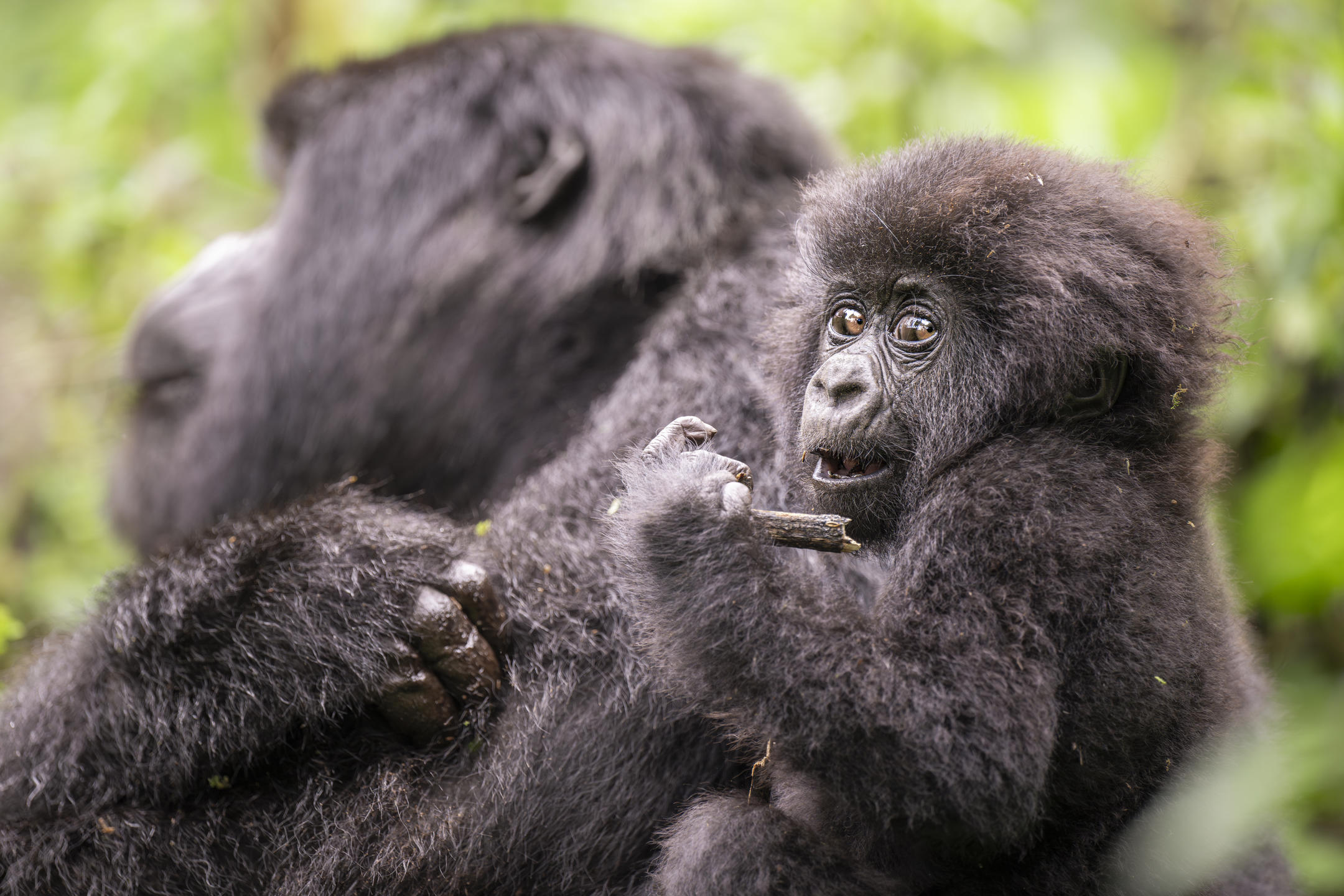 Mountain gorillas (Gorilla beringei beringei) exist in only two ecosystems: the Bwindi-Sarambwe forest on the Uganda-DRC border, and the Virunga Massif shared by Uganda, Rwanda, and the DRC. The global population reached roughly 1,080 individuals in 2025 - a remarkable conservation success given that numbers dropped below 650 as recently as the early 2000s.
Uganda hosts the larger share of the population. Bwindi Impenetrable National Park has approximately 500 mountain gorillas spread across four trekking sectors: Buhoma, Ruhija, Rushaga, and Nkuringo. Mgahinga Gorilla National Park, sharing the Virunga range, has one habituated family. Uganda typically offers around 20 permitted gorilla groups across all sectors.
Rwanda manages roughly 12 habituated groups within Volcanoes National Park (Parc National des Volcans), working on the Virunga slopes alongside families that also range into the DRC. The gorillas in both countries belong to the same Virunga and Bwindi subpopulations - closely related, behaviourally similar, and equally extraordinary to observe.
Permit Costs: The Biggest Practical Difference
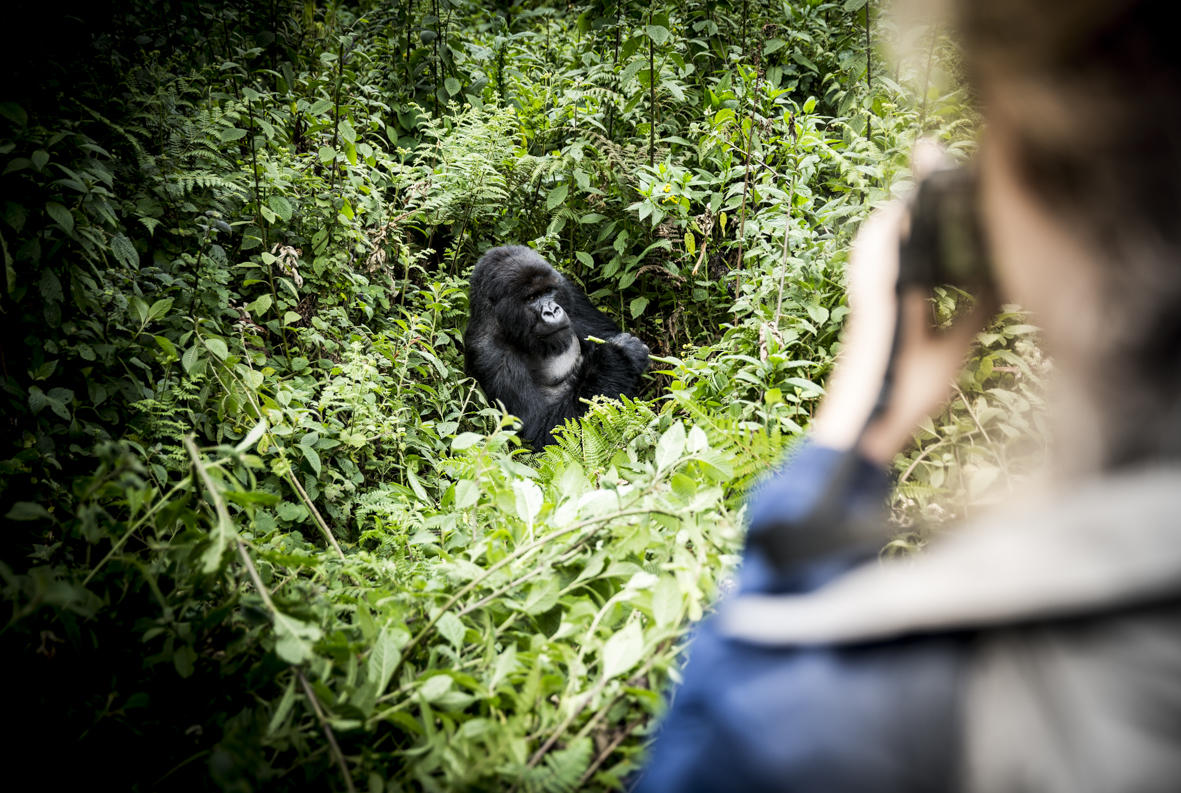 Uganda gorilla permits cost $800 USD per person. Rwanda gorilla permits cost $1,500 USD per person. For a couple trekking together, that is a $1,400 saving in Uganda - enough to fund several additional safari nights or a domestic flight upgrade.
| Detail | Uganda | Rwanda |
|---|---|---|
| Permit price (2025-26) | $800 USD | $1,500 USD |
| Peak season premium | None | None |
| Gorilla time permitted | 1 hour | 1 hour |
| Group size limit | 8 trekkers per family | 8 trekkers per family |
| Booking lead time | 3-6 months recommended. | 3-6 months recommended |
Rwanda's higher permit price partially funds an intensive conservation and veterinary monitoring programme. The Gorilla Doctors organisation conducts regular health checks on all habituated Virunga families. Uganda Wildlife Authority directs permit revenue toward community programmes that have demonstrably reduced poaching pressure in the Bwindi buffer zone.
Permit cost should not be viewed in isolation. Rwanda's shorter drive from Kigali can reduce the number of nights you need to spend in the park area, which may partially offset the higher permit price on shorter trips. On a full East Africa itinerary, the $800 saving per person adds up significantly.
The Forest: Bwindi vs Volcanoes National Park
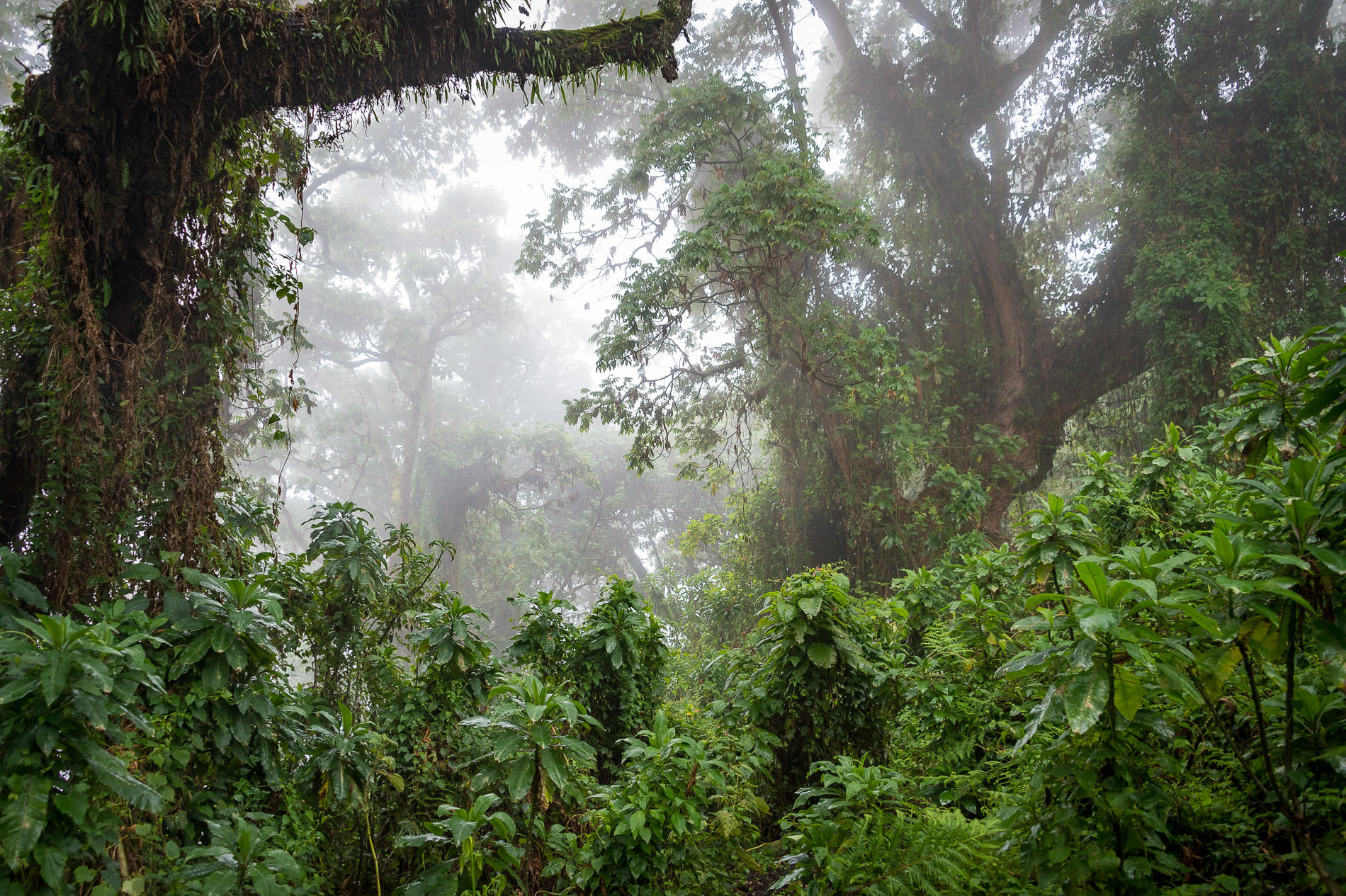
Bwindi Impenetrable Forest - Uganda
Bwindi is among Africa's oldest forest ecosystems, continuously forested for more than 25,000 years. The name describes the experience accurately: the canopy is dense, the undergrowth tangled, and the terrain steep. Trails rise sharply, drop into ravines, and can become genuinely challenging when rain has turned the clay soil to mud.
Trek duration in Bwindi ranges from 30 minutes - if the gorillas have moved close to the park boundary overnight - to eight hours in the forest interior. Most treks at Buhoma and Rushaga sectors average two to four hours each way, but you should be prepared for longer. Our complete Bwindi gorilla trekking guide covers each sector in detail, including the fitness requirements and what to pack for each trail type.
Bwindi's four sectors give you real options depending on your itinerary:
- Buhoma - the original sector, easily paired with Queen Elizabeth National Park
- Ruhija - highest elevation, coldest conditions, outstanding birdwatching
- Rushaga - most habituated groups, best for families or those wanting higher booking availability
- Nkuringo - most dramatic scenery, hardest terrain, highest success rate for intimate encounters
The biodiversity inside Bwindi is staggering. The forest holds 120 mammal species, 360 bird species including 23 Albertine Rift endemics, and more than 1,000 flowering plant species. Even setting aside the gorillas, a morning walk in Bwindi is one of the great wildlife experiences in East Africa.
Volcanoes National Park - Rwanda
The Virunga Massif presents a completely different landscape. Six dormant volcanoes rise from the surrounding farmland, their lower slopes covered in bamboo before giving way to Hagenia-Hypericum woodland and afroalpine heath. The park boundary sits at around 2,400 metres - you begin your trek already at altitude.
Trails in Volcanoes are generally more clearly defined than Bwindi, and most gorilla families are encountered within two to four hours of trekking. The terrain can still be steep and muddy during the rainy seasons, but the overall physical demand tends to be lower than Bwindi's most challenging sectors. This makes Rwanda a better choice for trekkers with moderate fitness levels or those travelling as part of a luxury, time-compressed itinerary.
The Virunga landscape also carries profound historical resonance. Dian Fossey spent years studying gorillas on these slopes. The Dian Fossey Gorilla Fund's Karisoke Research Centre, located within the park near the base of Karisimbi and Bisoke, remains one of the world's most important primate research centres. A visit to Fossey's grave site is available as an add-on and adds significant depth to a Rwanda gorilla trek.
Accessibility and Logistics
Rwanda wins on access - and it is not close. Kigali International Airport is a two to three hour drive from the town of Musanze (Ruhengeri), the gateway to Volcanoes National Park. You arrive the afternoon before your trek, sleep in the park area, trek in the morning, and can be back in Kigali in time for an afternoon international flight. This makes gorilla trekking in Rwanda genuinely viable as a three or four night standalone trip, or as a short add-on to a longer East Africa itinerary.
Uganda requires substantially more travel time. Bwindi is seven to nine hours from Entebbe by road - a journey that crosses the Albertine Rift escarpment through some of the most beautiful countryside in Africa, but is nonetheless a long drive. The alternative is a 50-minute light aircraft flight from Entebbe or Kajjansi to Kihihi (for Buhoma and Rushaga) or Kisoro (for Nkuringo and Mgahinga) airstrips. Even with a flight, most travellers spend at least four to five nights in southwestern Uganda to make the journey worthwhile.
This logistics difference is crucial for itinerary planning. Rwanda gorilla trekking fits inside a week-long trip without dominating it. Uganda gorilla trekking deserves at least seven to ten days, and works best within a fuller East Africa circuit.
Accommodation: Mid-Range to Ultra-Luxury
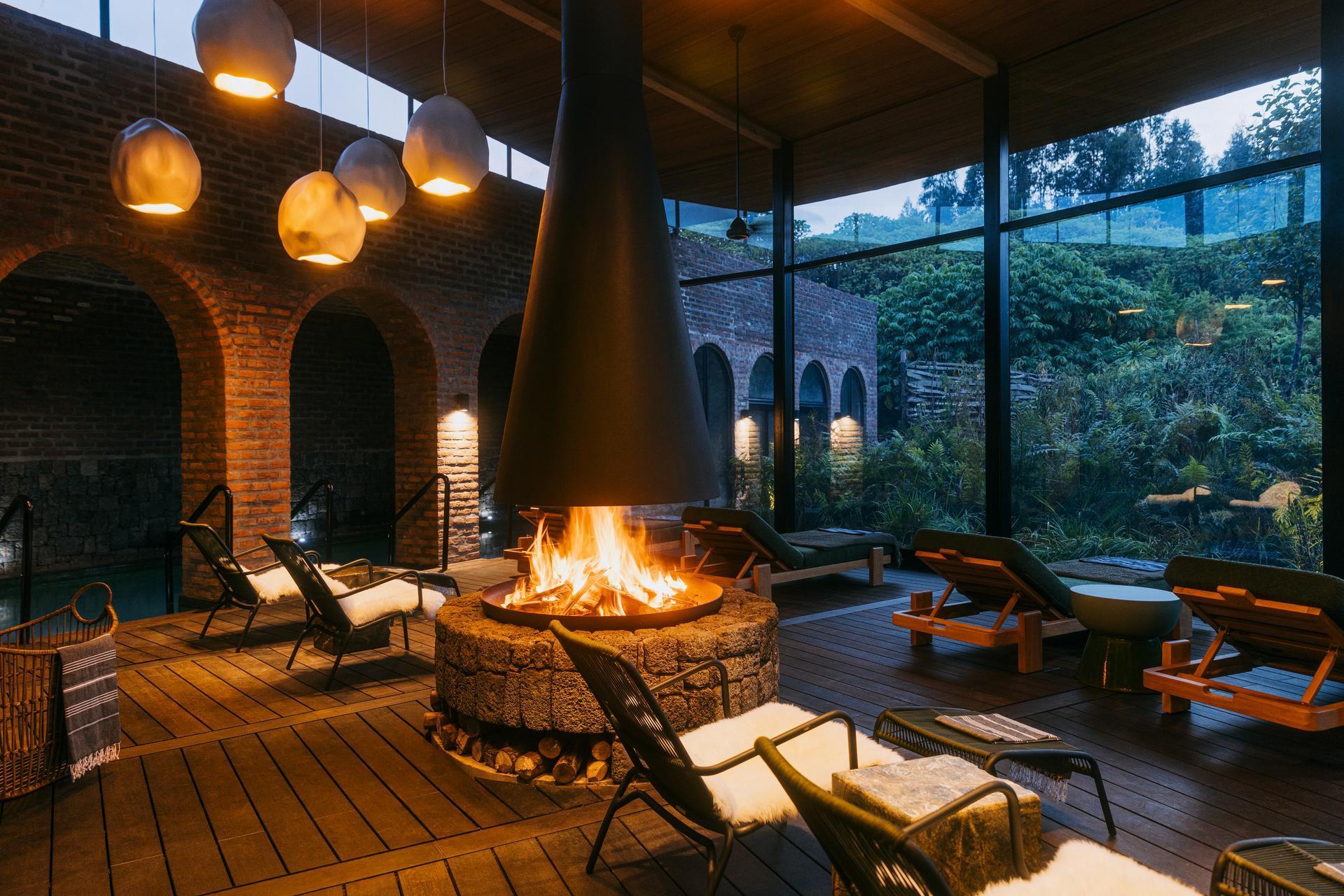 Both destinations offer excellent accommodation, though the profile of each market differs meaningfully.
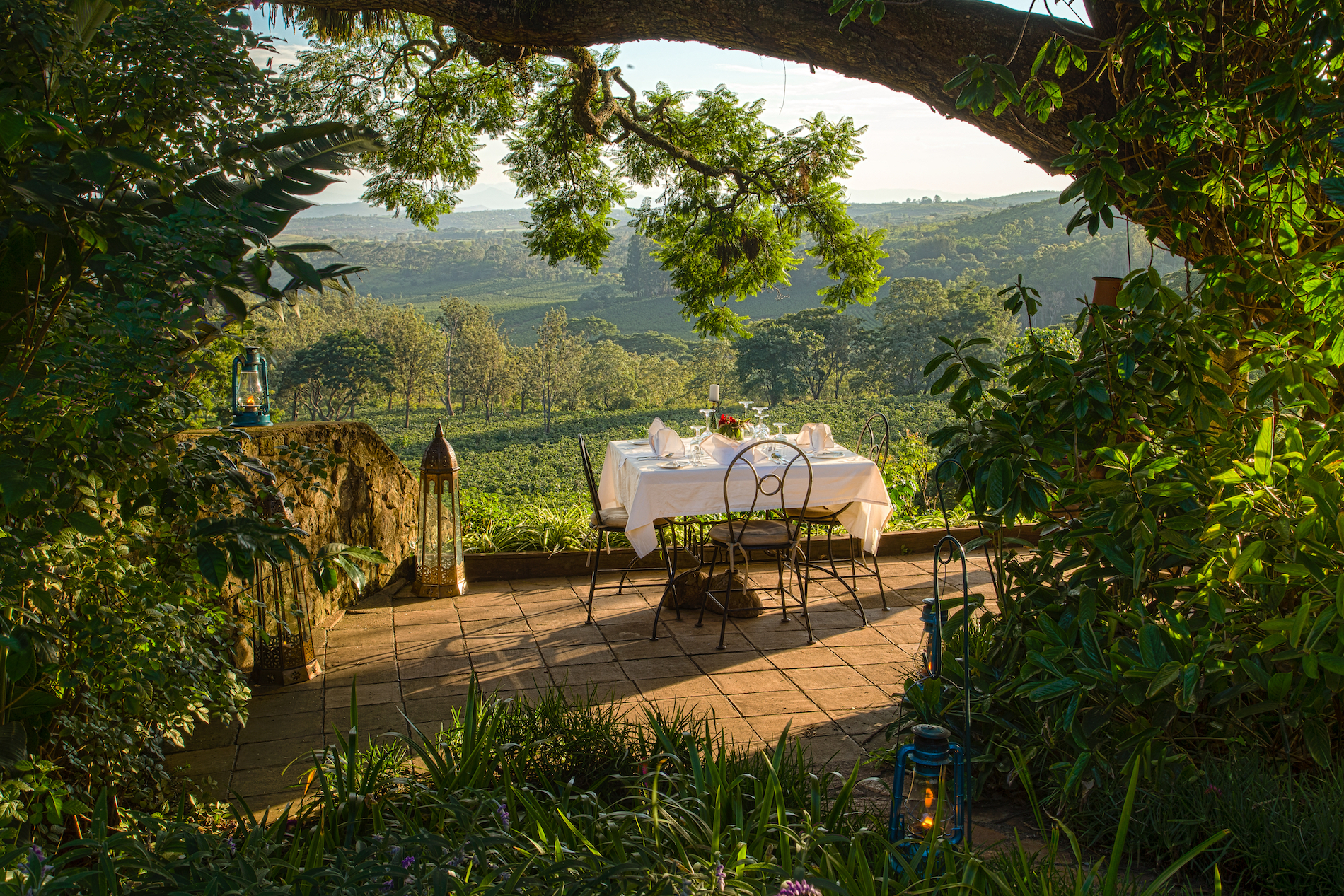
Uganda's Bwindi accommodation ranges from solid mid-range tented camps to outstanding luxury lodges. Mahogany Springs and Sanctuary Gorilla Forest Camp in Buhoma, Rushaga Gorilla Camp in Rushaga, and Nkuringo Bwindi Gorilla Lodge in Nkuringo are among the best. Crucially, Uganda's mid-range options are genuinely comfortable - you do not need to spend at the luxury tier to have a superb experience. Budget-conscious travellers who want to allocate savings toward a Tanzania extension will find good value here.
Rwanda has built a global reputation for ultra-luxury gorilla lodge tourism. Bisate Lodge by Wilderness, One&Only Gorilla's Nest, and Singita Kwitonda are routinely cited among the finest lodges in Africa. If you are celebrating a milestone, honeymoon, or anniversary - or simply want the most beautifully designed, service-intensive gorilla experience available - Rwanda delivers an end-to-end luxury journey at a level Uganda cannot currently match at the very top tier.
Safari Add-Ons and Combinability
Uganda has a decisive advantage when it comes to combining gorilla trekking with other wildlife experiences. Bwindi is positioned within the Albertine Rift, placing it within reach of several outstanding safari destinations:
- Chimpanzee trekking in Kibale Forest National Park (two to three hours north of Bwindi)
- Big Five game drives in Queen Elizabeth National Park, including the famous tree-climbing lions of Ishasha
- Murchison Falls National Park for Nile-based wildlife and exceptional bird photography
- Lake Mburo National Park for zebra and impala on the road back to Entebbe
Uganda has recorded over 1,060 bird species - more than any comparably sized country on Earth. Serious birders often find that a Uganda itinerary structured around gorilla trekking, chimp trekking in Kibale, and Murchison Falls delivers as much as six months of safari elsewhere. Explore our Uganda safari packages to see how a typical nine or ten day Uganda circuit fits together.
Rwanda offers good add-on options within a more compact geography. Golden monkey trekking in Volcanoes National Park can be done the morning after your gorilla trek for a fraction of the cost of a second gorilla permit. Chimpanzee trekking is available in Nyungwe Forest National Park in southwestern Rwanda. Akagera National Park on the eastern border offers savannah game drives with lion, elephant, buffalo, and giraffe. Rwanda's small size means you can cover significant ground in a week.
Featured safaris
.jpg)
Gorilla Trekking Uganda vs Rwanda: Full Comparison
| Factor | Uganda (Bwindi) | Rwanda (Volcanoes) |
|---|---|---|
| Permit cost | $800 per person | $1,500 per person |
| Habituated groups | ~20 groups | ~12 groups |
| Trek difficulty | Moderate to very hard | Moderate |
| Drive from capital | 7-9 hours (or 1 hr by air) | 2-3 hours |
| Forest character | Ancient, dense, biodiverse | Volcanic, open, dramatic |
| Accommodation range | Mid-range to luxury | Mid-range to ultra-luxury |
| Safari add-ons | Extensive (chimps, big game, birds) | Good (golden monkeys, Nyungwe, Akagera) |
|
Best minimum trip length. |
7+ days |
3-4 days |
|
Ideal for |
Value seekers, adventurers, multi-country circuits |
Luxury travellers, short trips, honeymooners |
Which Destination Is Right for You?
Choose Uganda if the $800 permit cost versus $1,500 in Rwanda is a meaningful factor in your budget; if you want to combine gorilla trekking with chimpanzees and big game on a single itinerary; if you enjoy challenging wilderness trekking and are comfortable with uncertain trek durations; or if you are building a classic East Africa circuit that includes Tanzania, Kenya, or both.
Choose Rwanda if you want the most efficient gorilla experience with minimal travel time from an international hub; if you are travelling for a special occasion and want access to ultra-luxury lodges; if you have four to six days and want to make the most of a short trip; or if you are pairing gorillas with a Rwanda-focused itinerary that includes Nyungwe Forest and Akagera.
If budget allows and time permits, consider both. The Rwanda gorilla trekking guide covers the Volcanoes experience in full detail, and the Kigali-Bwindi crossing via Cyanika border takes roughly four to five hours - making a seamless dual-destination itinerary very practical. Many of Vencha's most memorable gorilla itineraries combine Bwindi and Volcanoes across eight to ten days, with a quick Tanzania extension added for a complete East Africa circuit.
Frequently Asked Questions
Is gorilla trekking better in Uganda or Rwanda?
Neither destination is objectively better for gorilla trekking. Uganda offers lower permit costs ($800 vs $1,500), more habituated groups, a wilder forest experience, and better combinability with other safari destinations. Rwanda offers easier access from Kigali, world-class luxury lodges, and a more manageable trek. The better choice depends entirely on your budget, timeframe, and travel priorities.
How much does a gorilla permit cost in Uganda vs Rwanda?
Uganda gorilla permits cost $800 USD per person for a single one-hour visit with one habituated family. Rwanda gorilla permits cost $1,500 USD per person for the same encounter. Both prices are set by the respective national wildlife authorities and are subject to periodic review.
How difficult is gorilla trekking in Bwindi vs Volcanoes National Park?
Bwindi (Uganda) is generally more demanding. The forest is denser and the terrain steeper, with treks potentially lasting six to eight hours depending on where the gorillas have moved. Volcanoes (Rwanda) offers clearer trails and treks that typically last two to four hours, though altitude - starting at 2,400m - can affect some trekkers. Moderate fitness is required for both destinations.
Can I do gorilla trekking in both Uganda and Rwanda on the same trip?
Yes, and it works very well. The Cyanika border crossing between Musanze (Rwanda) and Kisoro (Uganda) takes roughly four to five hours, making a combined Volcanoes-Bwindi itinerary straightforward. Mgahinga Gorilla National Park in Uganda is just 10 km from Volcanoes National Park, offering an especially seamless cross-border experience.
When is the best time for gorilla trekking in Uganda and Rwanda?
Gorillas are present and trekking operates year-round in both countries. The dry seasons - June to September and December to February - offer drier, firmer trails and generally more predictable trekking conditions. The wet seasons (March to May and October to November) bring lush, green forest and fewer tourists, though trails become muddier. Many experienced guides consider the shoulder months of June and February ideal for combining manageable conditions with excellent lodge rates.
Ready to Book Your Gorilla Trek?
Whether the misty ancient forest of Bwindi or the volcanic slopes of Virunga calls to you, our specialists have guided hundreds of travellers to their gorilla encounter. We manage permit booking, lodge selection, logistics, and seasonal timing so that when you step into the forest, everything is in place. Submit an inquiry today and we will build a custom gorilla trekking itinerary around your dates, budget, and the broader East Africa experience you are looking for.
Let us turn this into your trip
Every Vencha journey is tailor-made from real on-ground experience. Share your dates and a specialist will reply within 24 hours.
Plan your safari
Salma is a Safari Consultant and Reservations Specialist at Vencha Travel & Tours, based in Arusha, Tanzania the gateway to some of Africa's most iconic wilderness destinations. With deep roots in East African travel and a passion for crafting unforgettable safari experiences, Salma brings personal warmth and expert local knowledge to every trip she plans. From the sweeping plains of the Serengeti to the turquoise waters of Zanzibar, Salma's writing reflects her genuine love for Tanzania's landscapes and wildlife. Whether you're a first-time safari-goer or a seasoned explorer, her insights are your guide to making the most of every adventure.