
Kenya and South Africa are Africa's two most celebrated safari destinations, yet they offer profoundly different experiences. This expert guide helps you decide which is right for your journey.
Few decisions in African travel feel quite as pleasurable, or as genuinely difficult, as choosing between Kenya and South Africa. Both countries have earned their reputations with extraordinary wildlife, world-class guiding and a hospitality culture that sets the global standard. But they are not interchangeable. Kenya is raw, dramatic and steeped in the romance of the classic African wilderness; South Africa is polished, extraordinarily diverse and offers comforts and flexibilities that suit a wider range of travellers. Understanding the real differences will point you firmly in one direction, or, for longer trips, perhaps both.
Choose Kenya if…
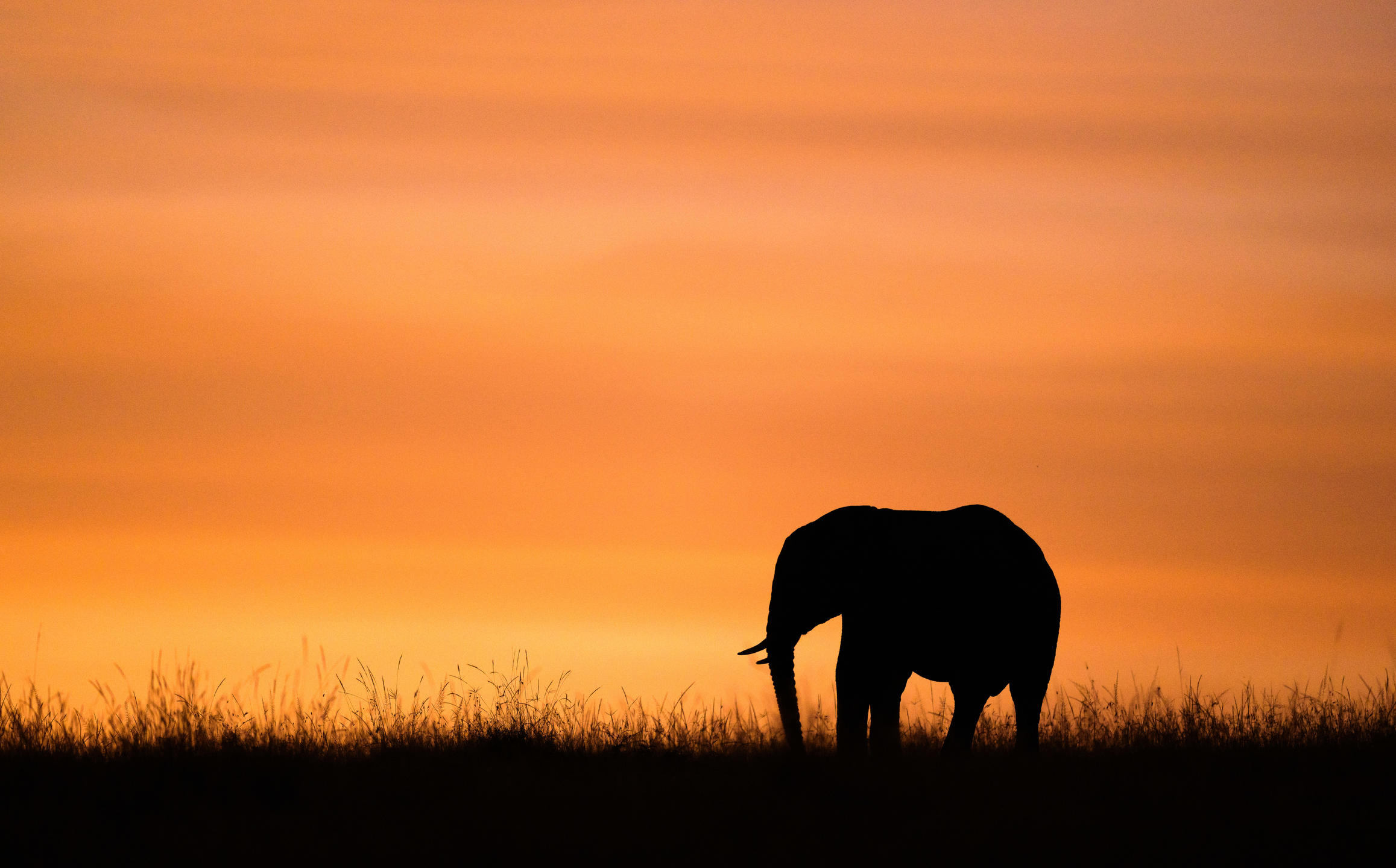
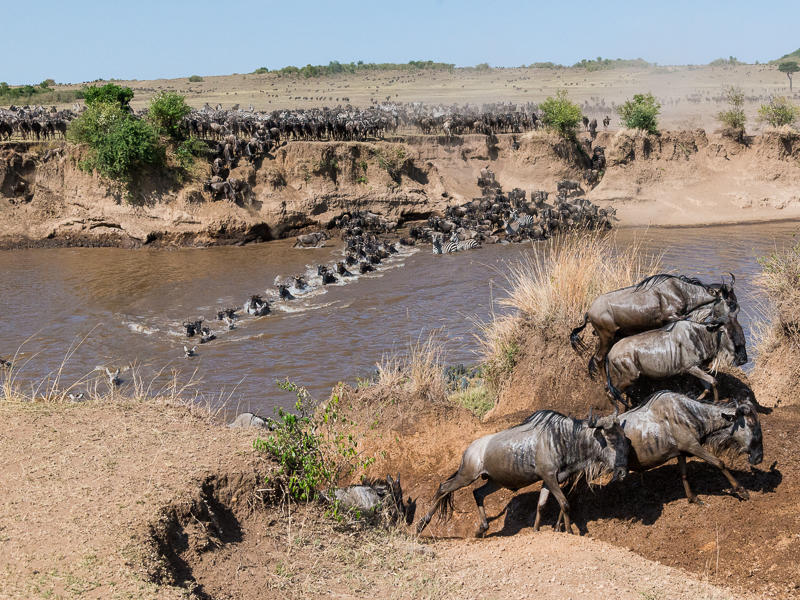
You are drawn to the idea of the great plains, endless sky, red-dust roads and the sight of wildlife moving across the landscape as it has for millennia. Kenya's Maasai Mara is the centrepiece of the Great Migration, the largest overland wildlife movement on earth, in which approximately 1.5 million wildebeest and hundreds of thousands of zebra and gazelle] travel a circuit between Tanzania's Serengeti and the Mara. The dramatic river crossings, wildebeest plunging into the Mara River to the waiting jaws of crocodiles, are among the most visceral wildlife spectacles anywhere. If witnessing the Migration in its Kenyan chapter is a priority, the window runs roughly from July to October, when the herds are most reliably north of the border.
Kenya is also the natural home of the private conservancy model, pioneered here more than anywhere else in Africa. Conservancies such as Ol Pejeta, Lewa, Laikipia Plateau and the community conservancies bordering the Mara offer something the national parks cannot: off-road driving, night drives, walking safaris and, in some cases, the chance to visit rhino sanctuaries or meet the Maasai communities whose land management underpins the whole ecosystem. For travellers who want their safari spend to translate directly into conservation and community benefit, Kenya's conservancy system is deeply compelling.
Kenya also suits those who want a classic, immersive bush experience with minimal distraction. Camp sizes are generally smaller, the landscape less manicured and the sense of genuine wilderness more profound than in South Africa's more accessible private reserves.
Choose South Africa if…
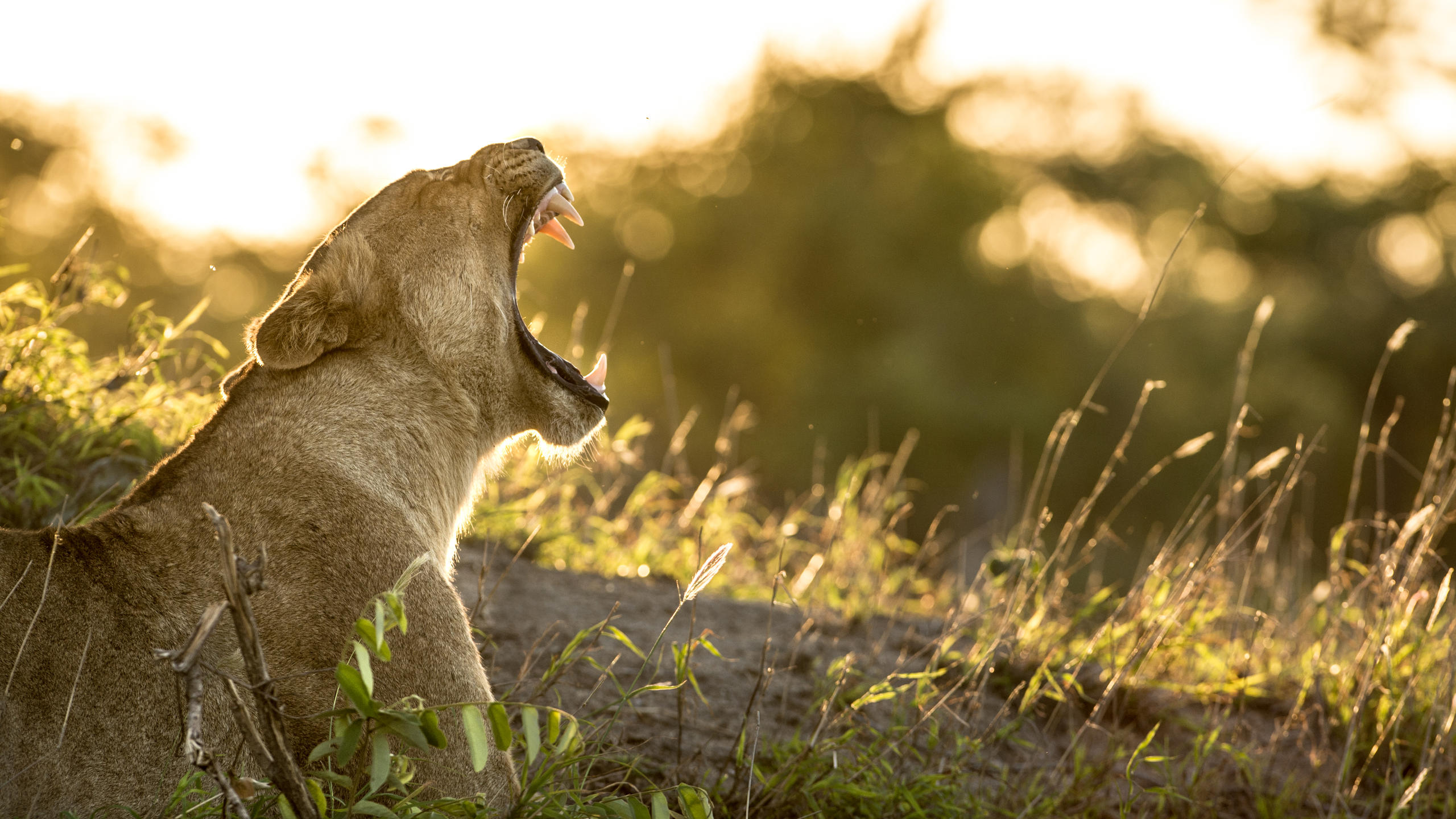
Flexibility, variety and accessibility are your priorities. South Africa's private game reserves, above all those adjoining the vast Kruger National Park in the east, and the malaria-free reserves of the Eastern and Western Cape such as Shamwari, Kwandwe, Amakhala and the Waterberg, offer the Big Five without the health considerations that come with malarial zones. This matters enormously for families with young children, for pregnant travellers and for anyone for whom antimalarial medication is not straightforward.
South Africa is also the easier country for first-time safari travellers. International flights land directly into Johannesburg or Cape Town; road infrastructure is excellent; English is widely spoken across all contexts; and the country combines an outstanding safari with experiences that exist nowhere else on the continent, the Cape Winelands, the Garden Route, the dramatic coastal scenery around Cape Town and some of the world's most celebrated restaurants. A beach-and-bush combination is effortless: fly from the bush to Cape Town for a few days, or continue on to Mozambique or the South African Indian Ocean coast. The logic of South Africa's geography makes multi-leg itineraries particularly smooth.
South Africa's private reserves also tend to offer a slightly higher baseline of creature comfort in the lodges themselves. That is not to say Kenya lacks luxury, it has some of the finest camps in Africa, but South Africa's reserve lodges often rival boutique hotels in their finishes, wine lists and spa facilities, which appeals to travellers who want to step between the wilderness and genuine indulgence with ease.
Wildlife and the Great Migration
Both countries offer the Big Five, lion, leopard, elephant, buffalo and rhino, though the context differs. In Kenya, game viewing happens across open savannah and is often a matter of following large concentrations of animals across wide terrain. In South Africa's private reserves, game drives tend to be more targeted: guides track specific animals with the help of radio communication between vehicles, which can produce astonishing encounters, a leopard at five metres in the spotlight, that pure open-plains viewing rarely guarantees.
The Great Migration is, strictly speaking, a Serengeti-Mara phenomenon. South Africa has no comparable seasonal spectacle, though the Eastern Cape does offer year-round Big Five viewing that many travellers find equally rewarding precisely because it is quieter and less driven by peak-season calendars. If witnessing the Migration is non-negotiable, Kenya is your answer. If you want predictable, outstanding game viewing year-round without chasing a calendar, South Africa delivers this more reliably.
Kenya also holds particular significance for those interested in endangered species conservation: the country hosts some of the world's last northern white rhinos (at Ol Pejeta) and has made significant strides with black rhino populations in its conservancies.
Malaria and families
This is one of the most practically important distinctions. Most of Kenya's prime safari areas are malaria zones, requiring antimalarial prophylaxis. For adults in good health this is rarely a barrier, but for families with very young children, the calculation changes.
South Africa's major advantage here is the existence of genuinely excellent malaria-free Big Five reserves, primarily in the Eastern and Western Cape. A family can fly into Johannesburg, connect to Port Elizabeth (now Gqeberha) and be on a Big Five game drive the same afternoon, without a single antimalarial tablet. Several of these reserves have also invested specifically in child-friendly infrastructure: dedicated junior ranger programmes, family suites and guides trained to engage younger guests. For families with children under ten or twelve, the malaria-free reserves are often the deciding factor.
Kenya is not closed to families, many conservancies welcome children and offer excellent family experiences, but the malaria consideration requires an honest conversation with a travel health specialist before departure.
Private conservancies vs private game reserves
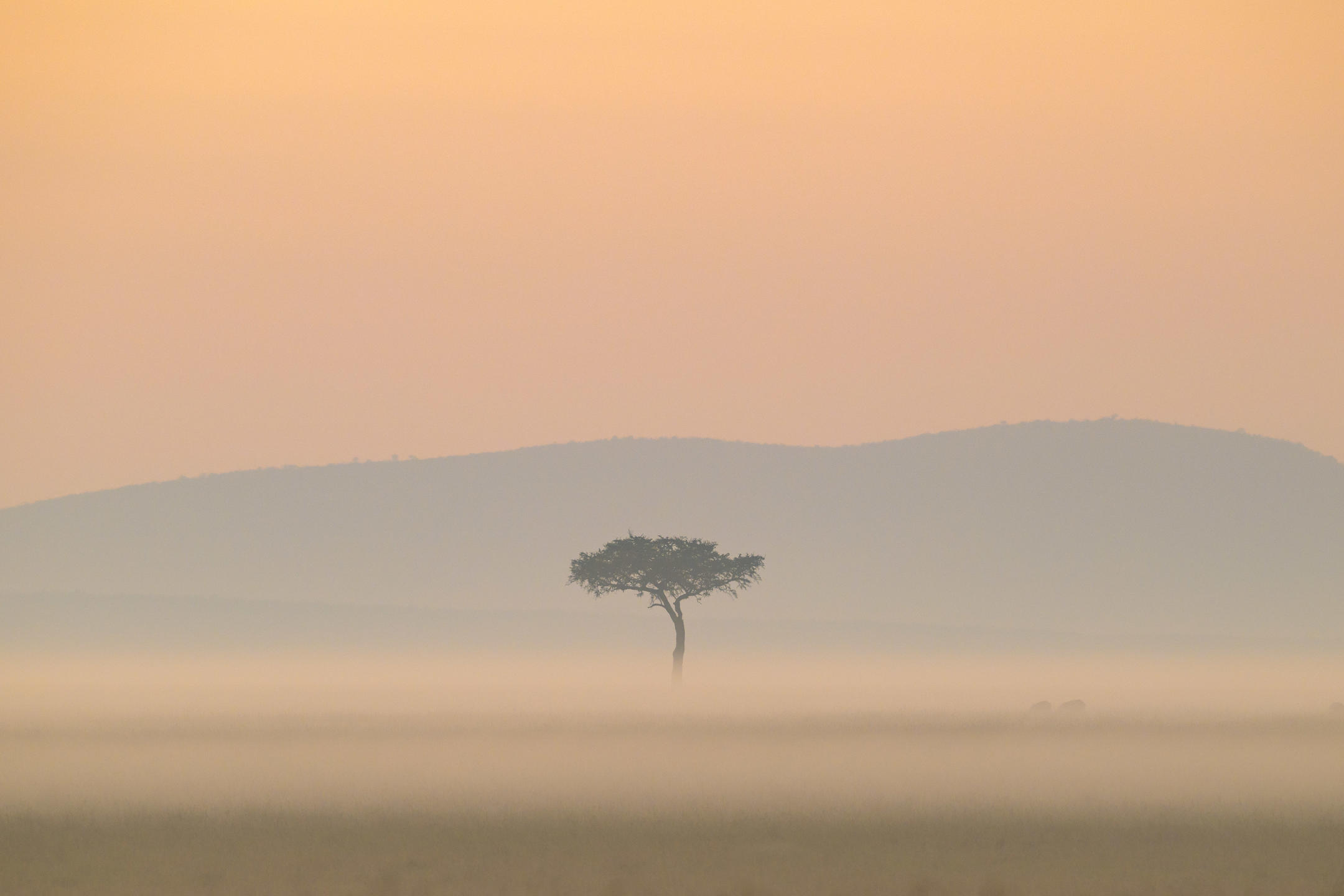
Kenya's private conservancies are, at their best, a model of how tourism, conservation and community benefit can work together. Formed largely through agreements with Maasai and other communities, they keep land wildlife-friendly that might otherwise be converted to agriculture. Guest numbers are strictly limited, activities are flexible and the sense of space is extraordinary, you may drive for hours without seeing another vehicle.
South Africa's private game reserves (particularly those adjoining Kruger) operate on a slightly different model: private land bordering or within a larger protected area, with fences removed to allow free movement of game. The quality of guiding and the intimacy of the experience are superb, but the reserves themselves are more structured, the lodges more hotel-like and the ethos somewhat more curated than the best of Kenya's conservancies.
Neither is superior, they simply offer different flavours of exclusivity. Kenya's conservancies tend to feel more elemental; South Africa's reserves tend to feel more polished.
Beach combinations
Both countries pair beautifully with a beach extension, though again the character differs. Kenya's natural complement is the Diani Beach coast south of Mombasa or, for a slightly different experience, the island of Zanzibar just across the water in Tanzania, white sand, coral reefs and an Indian Ocean that is reliably warm year-round. The beach leg adds very little travel time: a short domestic or regional flight and you are in a completely different world.
South Africa's equivalent is the Cape Town option, genuinely one of the world's great cities, combining dramatic scenery, the Winelands, extraordinary food culture and Atlantic coast beaches, or the warmer Indian Ocean coast of KwaZulu-Natal, or Mozambique for those willing to add a short flight. Cape Town in particular appeals to travellers for whom an urban cultural experience is as important as the bush itself.
Cost
Both destinations sit at a broadly similar price point at the high end of the market, though the specifics vary. Kenya's private conservancies command a premium for their exclusivity and low guest numbers; South Africa's private reserve lodges span a wider range from mid-market to ultra-luxury. high-season rates at top Kenya conservancy camps and top South Africa private reserve lodges] Flying between regions within each country adds cost; South Africa's domestic aviation network is arguably more developed and competitively priced. Park fees in Kenya can be significant and are worth factoring into the total budget. South Africa also benefits from a currency that has historically offered good value for US dollar and sterling travellers current ZAR exchange rates and relative cost advantage, though this fluctuates.
For a comparable level of luxury and exclusivity, the budgets are not dramatically different. The choice should be driven by experience, not cost.
The character question
Ultimately, the choice between Kenya and South Africa often comes down to character as much as logistics. Kenya feels wilder, more elemental, more emotionally arresting, it is the Africa of explorer mythology, red dust and the horizon stretching to infinity. South Africa feels more accessible, more varied, more comfortable, a country that rewards travellers who want depth and breadth across a single, highly efficient trip.
Neither is a compromise. Both are, in different ways, among the finest safari destinations on earth.
At Vencha Travel, we plan both, and the nuances of timing, conservancy choice, family configuration, travel style and budget all shape our recommendation. If you would like an expert view on which is right for your specific journey, we would be glad to help. A specialist will reply within 24 hours.
Kenya vs South Africa
| Kenya | South Africa | |
|---|---|---|
| Signature regions | Maasai Mara, Amboseli, Laikipia Plateau, Samburu, private conservancies | Kruger private reserves (Sabi Sand, Timbavati), Eastern Cape malaria-free reserves, Waterberg |
| The Great Migration | Yes, wildebeest river crossings in the Mara, peak July–October | No comparable seasonal migration; excellent year-round Big Five game viewing |
| Malaria | Most prime safari areas are malaria zones; prophylaxis recommended | Malaria-free Big Five reserves available (Eastern Cape, Western Cape, Waterberg) |
| Conservancies / reserves | Private conservancies, community-owned, low guest numbers, walking safaris, night drives | Private game reserves, often adjacent to Kruger, excellent tracking, polished lodges |
| Family suitability | Good for older children; malaria consideration for very young children | Outstanding for all ages; malaria-free options and dedicated junior ranger programmes |
| Beach combination | Diani Beach (Kenya coast) or Zanzibar (Tanzania), warm Indian Ocean year-round | Cape Town city & Atlantic coast, KwaZulu-Natal coast, or Mozambique extension |
| Typical cost tier | High–ultra; conservancy camps command a premium for exclusivity and low beds | Mid to ultra; broader range, competitive domestic aviation, historically favourable exchange rate |
| Who it suits best | Migration chasers, conservation-minded travellers, those seeking elemental wilderness | First-timers, families with young children, multi-destination travellers, city-and-bush seekers |
Frequently asked questions
Can I combine Kenya and South Africa in one trip?
Yes, and for those with two to three weeks it can be a deeply rewarding combination, particularly for travellers who want to witness the Migration in Kenya and then enjoy a malaria-free extension or Cape Town stay in South Africa. The logistics require careful sequencing and an additional international flight, so it is worth discussing the routing with a specialist to keep travel days to a minimum. Vencha plans these combined itineraries regularly and can advise on which order works best depending on your travel dates and priorities.
Which destination is better for a first safari?
South Africa edges ahead for most first-timers, primarily because of the malaria-free options, the directness of international connections, the ease of multi-destination itineraries and the reliability of Big Five game viewing in the private reserves. That said, travellers who are drawn to the romance of the open plains and are comfortable with standard malaria precautions will not be disappointed by Kenya, particularly in the Maasai Mara during peak Migration season.
Is Kenya or South Africa better for families with young children?
For families with children under roughly ten to twelve years old, South Africa's malaria-free reserves in the Eastern Cape are generally the more practical choice. The reserves are specifically geared for families, the lodges offer family configurations and junior ranger activities, and the absence of malaria medication simplifies the planning significantly. For older children and teenagers, Kenya's conservancy experience, with the possibility of walking safaris, night drives and genuine wilderness, can be exceptional and genuinely formative.
When is the best time to visit each destination?
Kenya's peak safari season runs from July to October, coinciding with the dry season and the Migration river crossings in the Maasai Mara. The short rains (November) and long rains (April to June) bring fewer visitors but also excellent game viewing, lush landscapes and lower rates. South Africa's private reserves offer year-round game viewing, with the dry winter months of June to September generally considered optimal as vegetation thins and animals concentrate around water. The Eastern Cape malaria-free reserves in particular are excellent in shoulder and low season specific monthly rainfall patterns for Kruger-adjacent reserves and Eastern Cape
Let us turn this into your trip
Every Vencha journey is tailor-made from real on-ground experience. Share your dates and a specialist will reply within 24 hours.
Plan your safari
Salma is a Safari Consultant and Reservations Specialist at Vencha Travel & Tours, based in Arusha, Tanzania the gateway to some of Africa's most iconic wilderness destinations. With deep roots in East African travel and a passion for crafting unforgettable safari experiences, Salma brings personal warmth and expert local knowledge to every trip she plans. From the sweeping plains of the Serengeti to the turquoise waters of Zanzibar, Salma's writing reflects her genuine love for Tanzania's landscapes and wildlife. Whether you're a first-time safari-goer or a seasoned explorer, her insights are your guide to making the most of every adventure.