Botswana deliberately limits visitor numbers to protect its wilderness, which means safari costs reflect exceptional exclusivity and direct conservation value. Here is what to expect and why every penny is accounted for.
A Botswana safari sits at the upper tier of African travel, and with good reason. The country has built its entire tourism model around exclusivity, conservation, and authentic wilderness experience. That means fewer beds, more space, and higher prices than almost anywhere else on the continent. Understanding what drives those costs, and what genuine value looks like, is essential before you begin planning.
Why Botswana commands premium prices
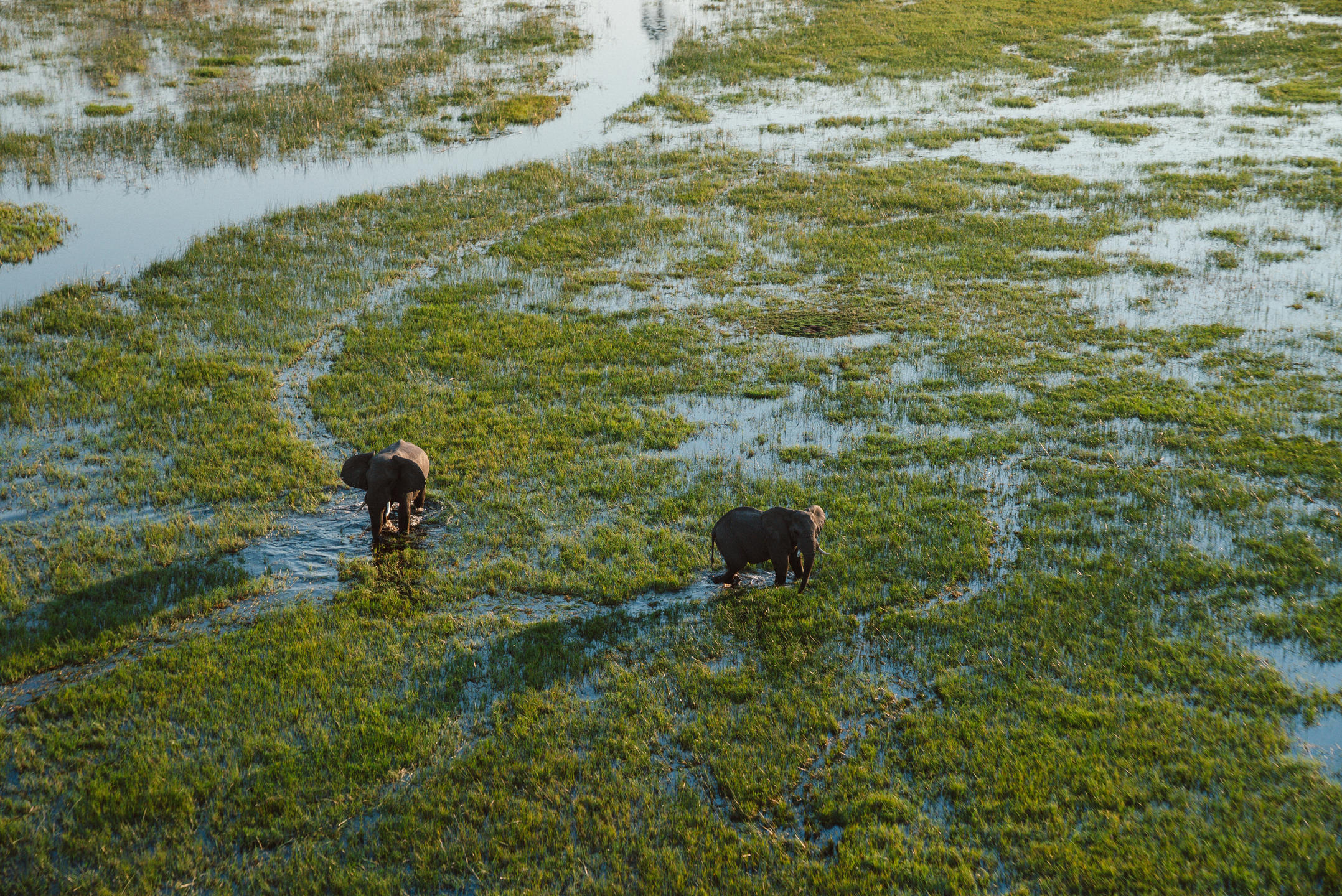
Botswana made a deliberate policy choice decades ago: rather than maximise the number of visitors, it would restrict access and charge accordingly. The result is a country where safari concessions are vast, other vehicles rarely intrude on a sighting, and the wilderness genuinely feels undisturbed.
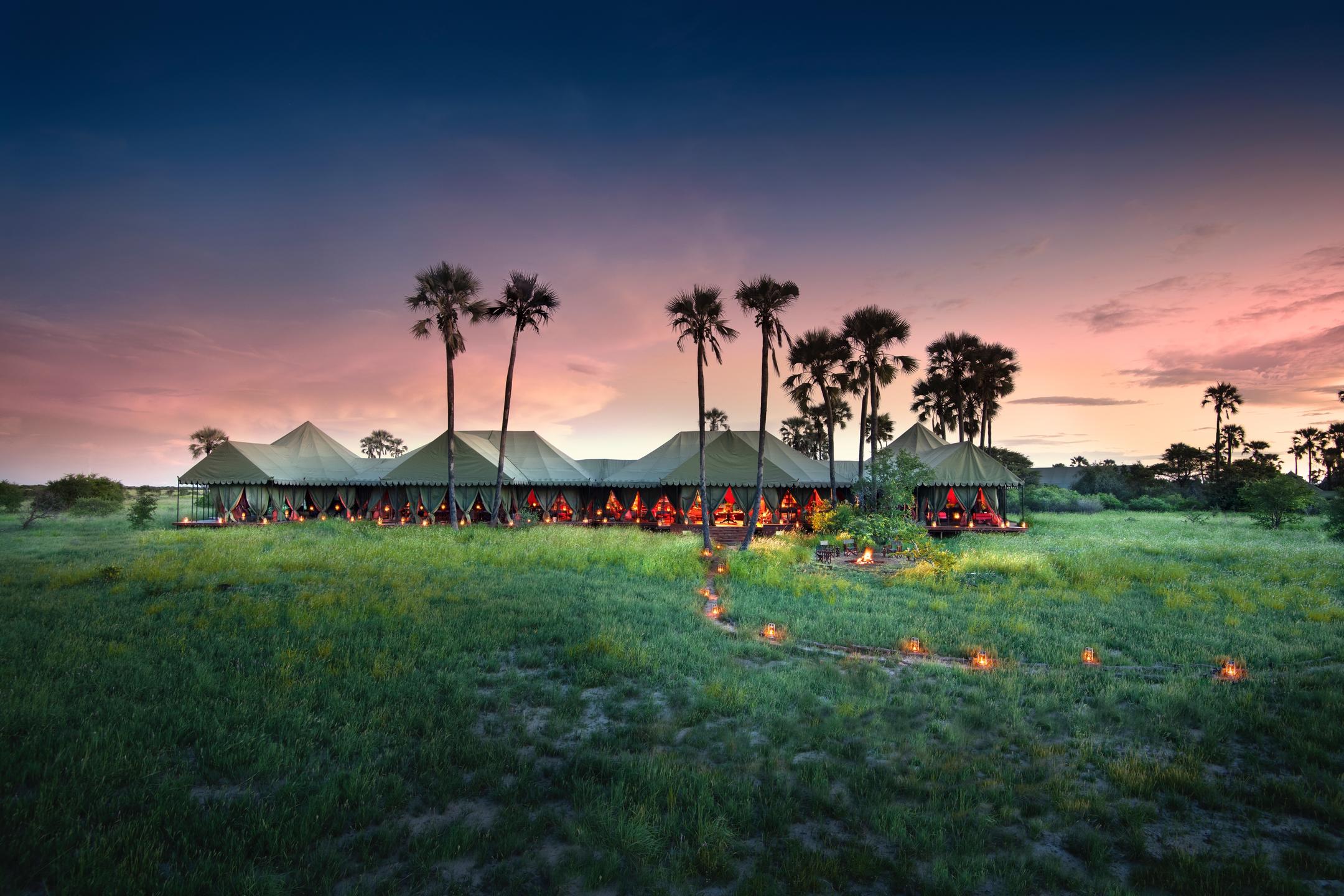
This scarcity is not accidental; it is engineered. Camps are deliberately small, typically six to twelve tents, and concession fees paid by operators are among the highest in Africa. Those costs are passed directly to guests, but they purchase something real: private wildlife areas, highly trained guides, and a quality of experience that crowd-heavy destinations cannot replicate.
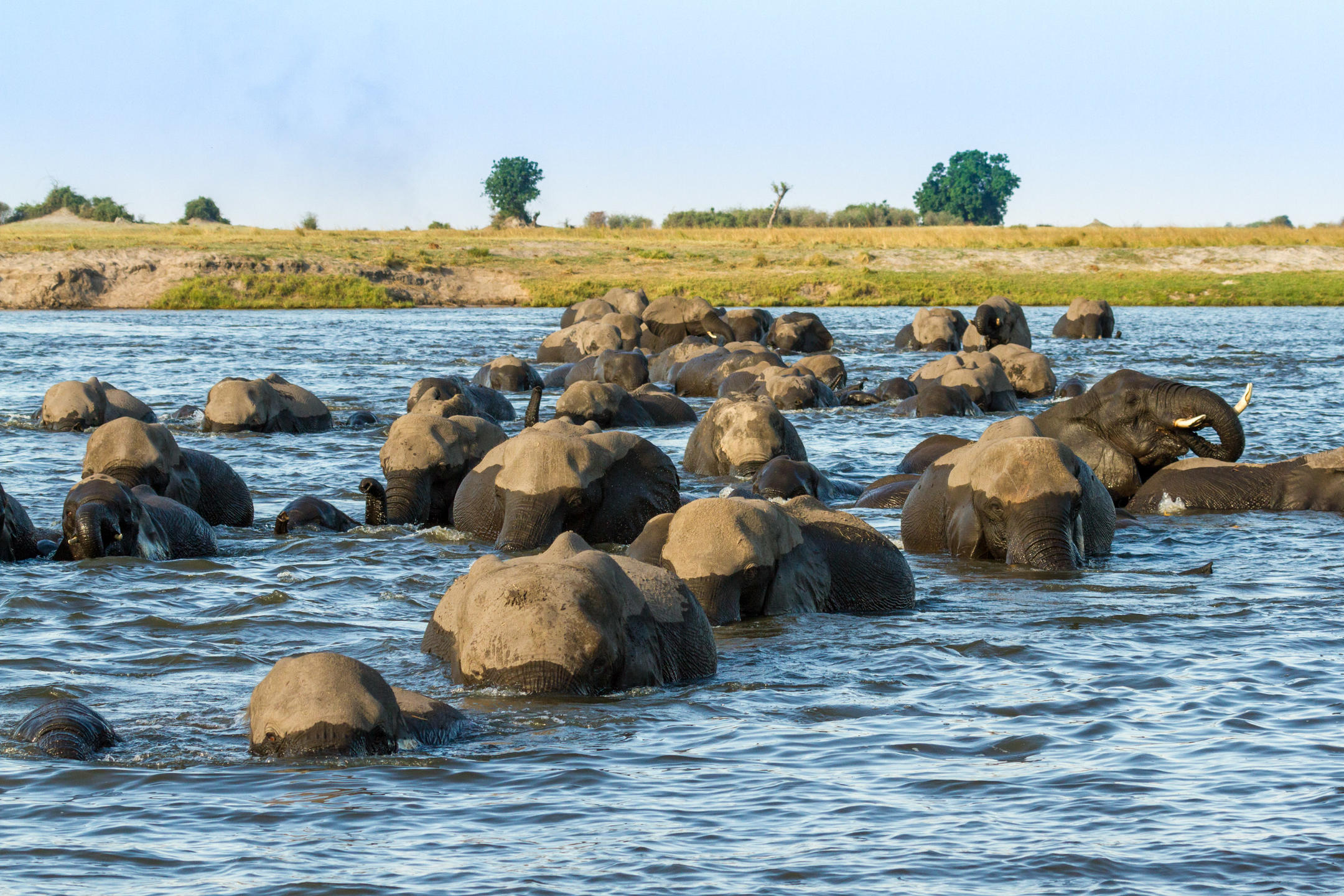
Botswana also hosts the largest elephant population in Africa, estimated at over 130,000 individuals, alongside lion, wild dog, leopard, cheetah, and buffalo in numbers that reflect the country's commitment to protecting habitat at scale.
The Okavango Delta and its effect on pricing
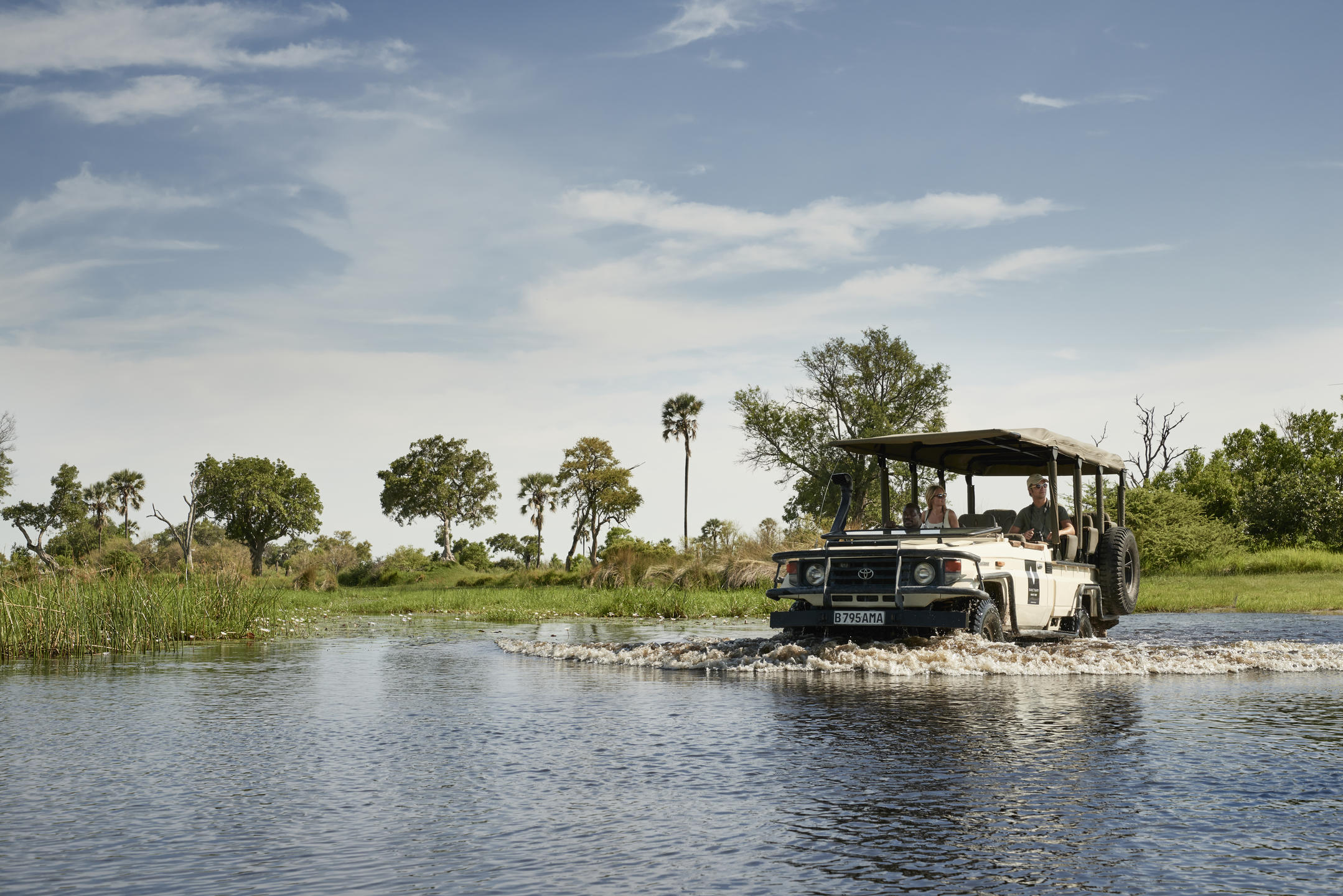
The Okavango Delta, a UNESCO World Heritage Site and one of the world's great wilderness anomalies, floods seasonally from rains that fall hundreds of kilometres away in Angola. This annual inundation transforms the landscape and concentrates wildlife along retreating water lines, producing some of the finest game viewing anywhere in Africa.
Camps in the Delta, particularly in the more remote northern and central concessions, are among the most expensive in the world. Access is almost exclusively by light aircraft, logistics are complex, and the seasonal nature of the flood means operators must plan and staff accordingly. More than 400 bird species have been recorded in the Okavango Delta ecosystem alone, making it one of Africa's premier birdwatching destinations.
Wet season versus dry season: how timing shapes cost
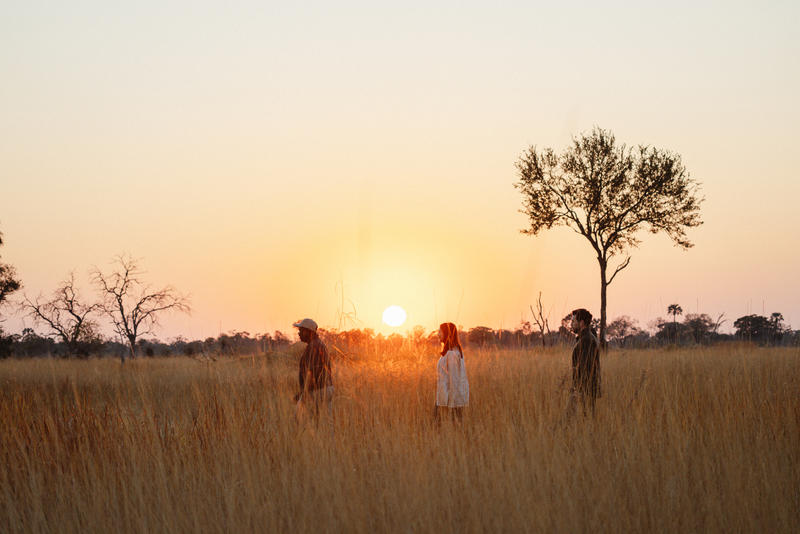
Botswana has two distinct seasons and they produce entirely different safari experiences, at different price points.
- Dry season (June–October): This is peak season. Water recedes, animals concentrate around permanent sources, and game viewing is at its most reliable and dramatic. Rates are at their highest, and the most sought-after camps are booked a year or more in advance.
- Green season (November–April): The landscape transforms dramatically. Migrant birds arrive in extraordinary numbers, predator activity intensifies around newborn prey, and the light for photography is exceptional. Rates fall by 20–40% compared to peak, making this the best entry point for budget-conscious luxury travellers. Some camps in flood-prone areas close entirely, so itinerary options are more limited.
The difference between peak and green-season rates at the same camp is typically 20–40%. Some ultra-luxury camps offer their most significant reductions during the early green-season months of November and December.
What is typically included in a Botswana safari rate
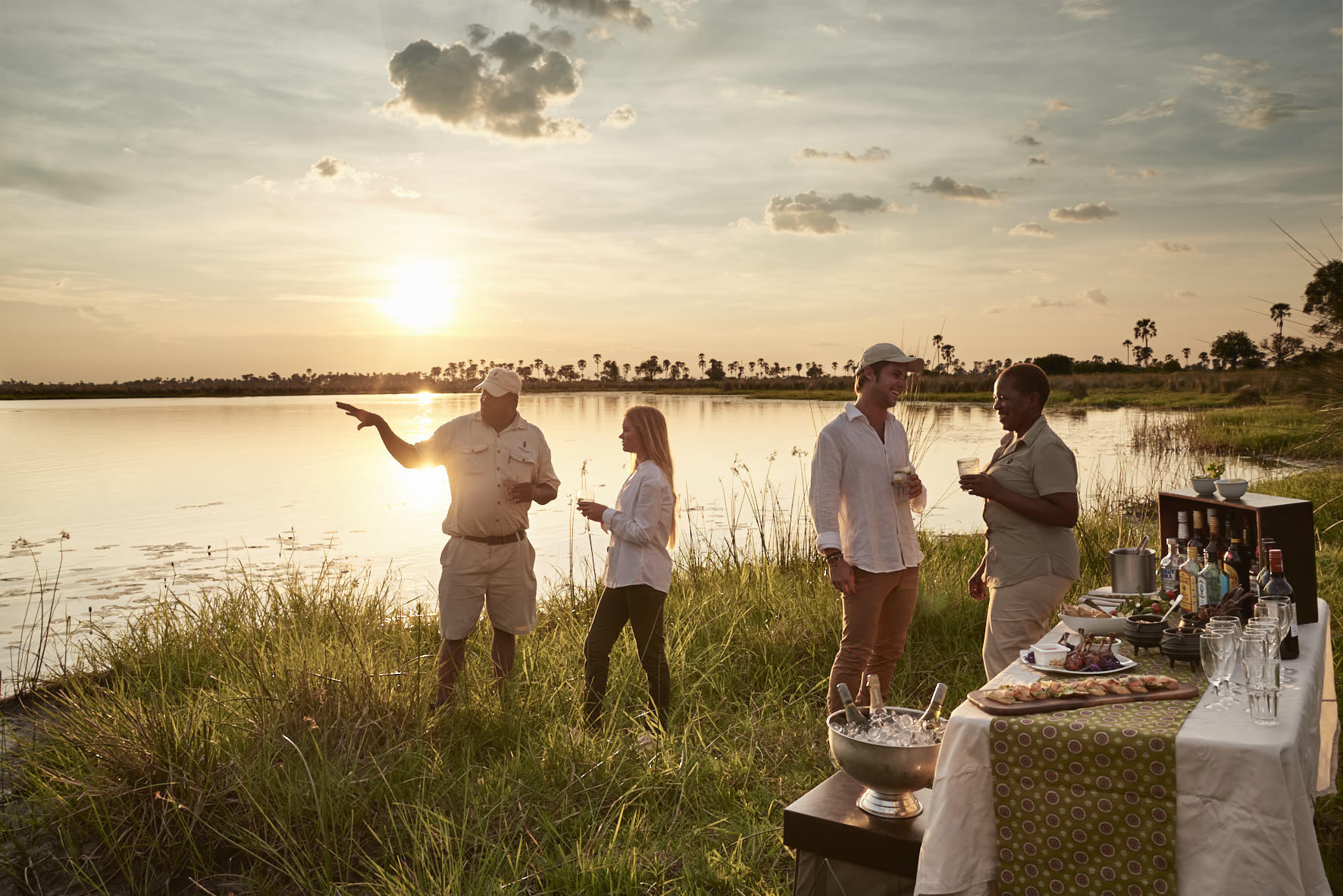
One of the distinguishing features of Botswana's fly-in camps is that rates are almost universally fully inclusive. This matters when comparing Botswana to destinations where meals, activities, and transfers are itemised separately.
At most Botswana camps you can expect the following to be included in your daily rate:
- All meals and most beverages (premium wines and spirits are occasionally charged separately)
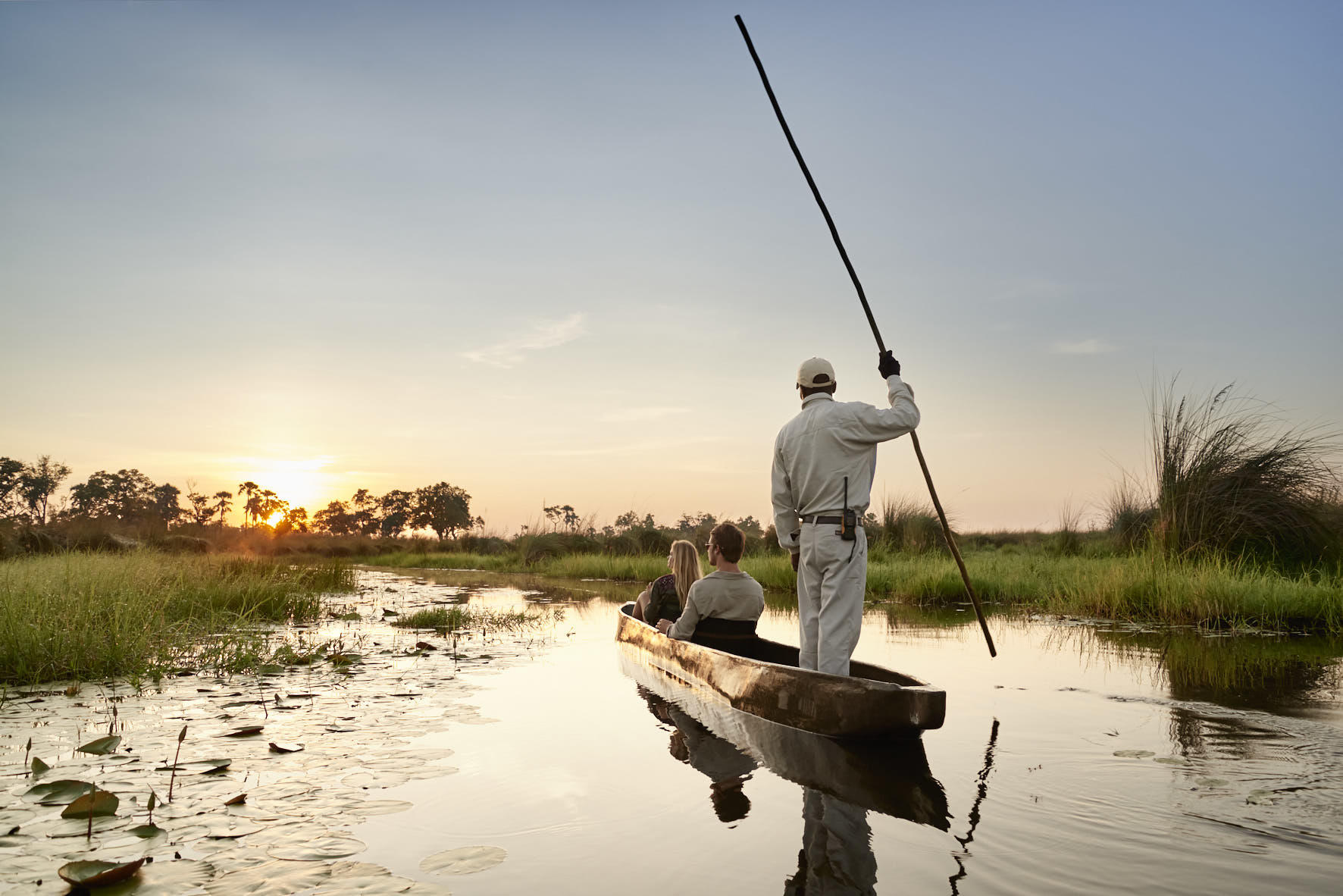
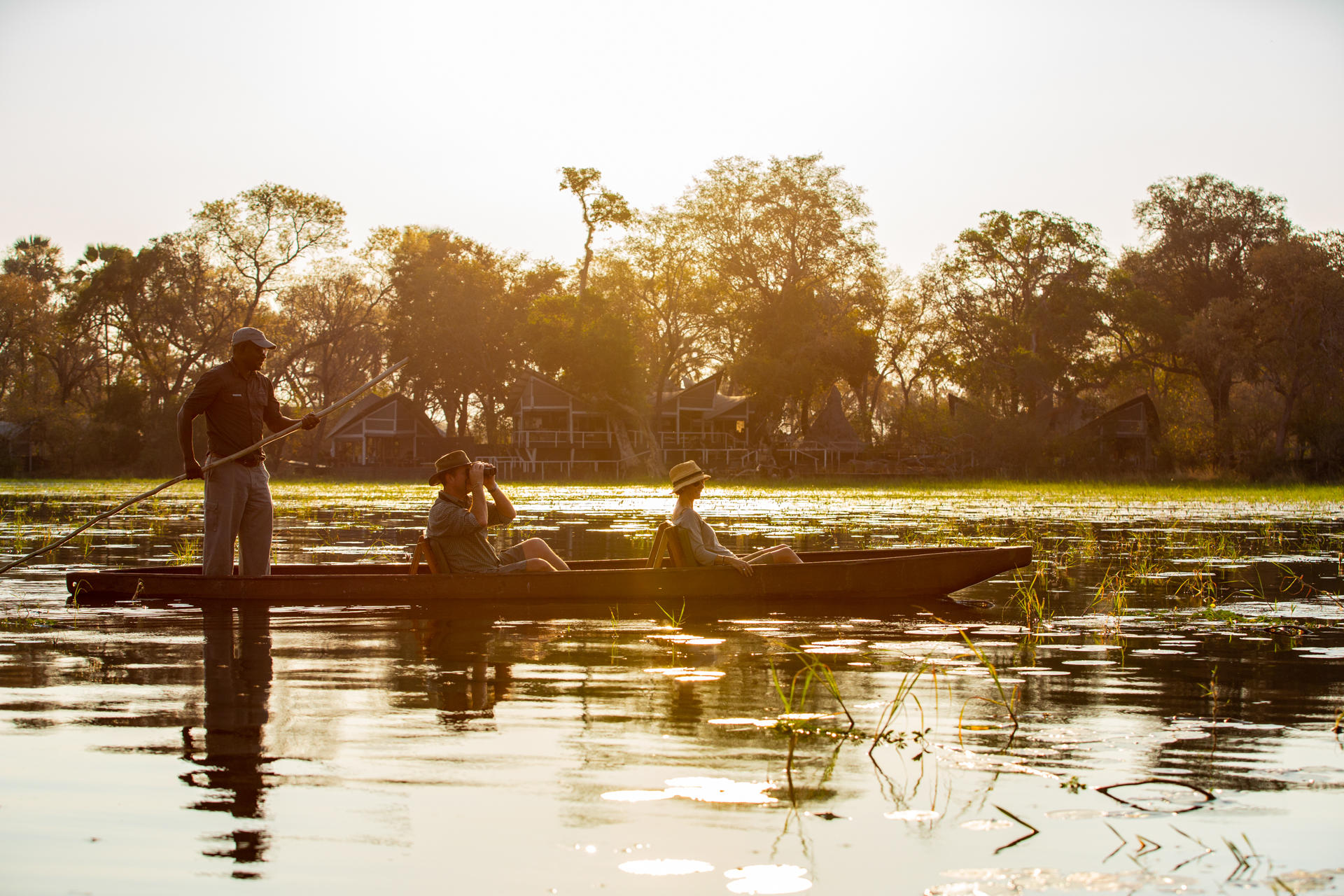
- Two game activities per day, typically morning and evening drives or mokoro (dugout canoe) excursions
- Bush walks with an armed guide where the concession permits
- Laundry
- Park and conservancy fees
- Government-mandated conservation and tourism levies, approximately USD 30–50 per person per night, embedded in your published rate
What is not typically included: international and regional flights into Botswana, light-aircraft transfers between camps (typically USD 200–400 per person per sector on scheduled charter routes), visas, travel insurance, and gratuities.
Per-person-per-day cost ranges: from luxury entry point to ultra-luxury
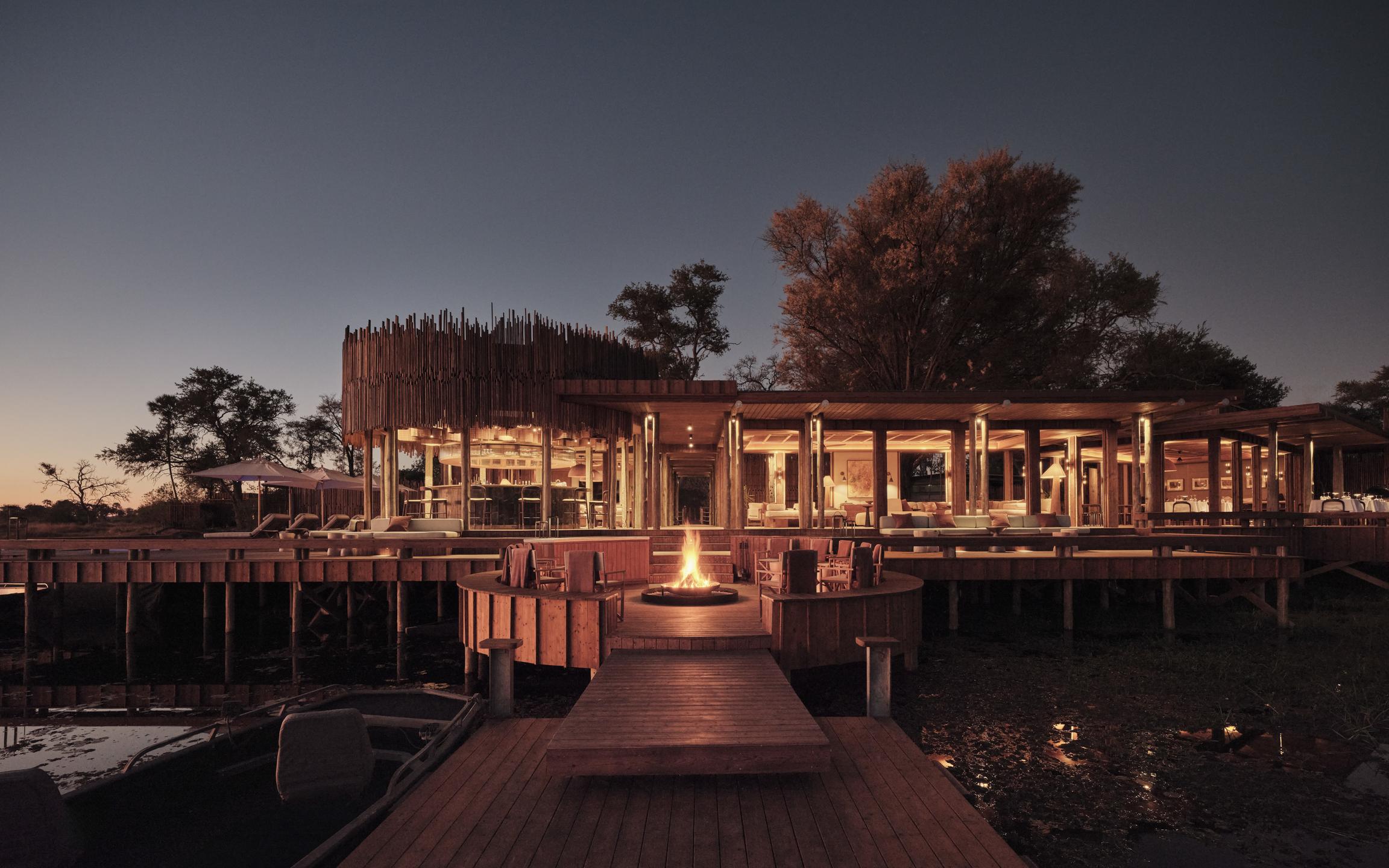
Rather than quoting specific nightly rates, which fluctuate with the exchange rate, season, and operator, the following ranges reflect consistent market positioning across Botswana's main camp categories:
- Entry luxury (USD 500–900 per person per night): Smaller, owner-operated camps in less remote concessions. High standards of guiding and food, more modest facilities. Typically found in the Tuli Block or southern Delta fringes.
- Mid-luxury (USD 900–1,500 per person per night): Established camps with well-appointed tents, good concession access, and experienced ranger teams. The sweet spot for most travellers making their first visit to Botswana.
- Upper-luxury (USD 1,500–2,500 per person per night): Private concessions with very limited vehicle numbers, superior guiding, and architecturally significant camp designs. Often in the Linyanti or northern Okavango.
- Ultra-luxury (USD 2,500 and above per person per night): Exclusive-use or near-exclusive camps in the most sought-after private concessions. Personalised guiding, bespoke itineraries, and access that most travellers will never experience.
A typical tailor-made Botswana safari combining two or three camps over eight to ten nights, the structure most specialists recommend for a meaningful first visit, will cost between USD 8,000 and USD 20,000 or more per person, including internal flights but excluding international travel.
How to structure your budget wisely
The most experienced safari travellers know that a Botswana trip rewards deliberate planning rather than reactive booking. A few principles that consistently deliver better value:
- Prioritise private concessions over national park camps. The concession fee is built into your rate, but the exclusive wildlife access it buys is worth considerably more than the premium paid.
- Combine regions deliberately. A Chobe riverfront camp paired with an Okavango Delta camp covers two entirely different ecosystems and wildlife experiences within a single trip.
- Book the green season if the dates align. November through January in particular offers exceptional value without significantly compromising the experience.
- Work with a specialist who has been on the ground recently. Camp quality varies within the same brand portfolio, and a current recommendation from someone who visited in the last six months is worth more than any website description.
At Vencha Travel, every Botswana itinerary is planned from direct on-the-ground experience, knowing which camps are currently performing at their best and which concessions offer the wildlife access that justifies the price. If you are beginning to plan a Botswana safari, speak with one of our specialists. We reply within 24 hours.
Featured safaris
Frequently asked questions
Is Botswana the most expensive safari destination in Africa?
It is consistently among the most expensive, and for most travellers comparing top-tier options it sits alongside the Seychelles and the most exclusive private reserves in South Africa at the upper end of the pricing spectrum. Within the safari-specific market, Botswana's combination of exclusive concessions and fly-in logistics places it at or near the top of per-night pricing.
Are there ways to experience Botswana without spending at the very top of the market?
Yes, though the options are more limited than in destinations like Kenya or Tanzania. The green season offers the most meaningful reductions, typically 20–40% below peak pricing at the same camps. The Chobe National Park area and the Tuli Block in eastern Botswana tend to be more accessible than the remote Delta concessions. Combining a Botswana component with a Kenya or Tanzania leg can also allow for a longer overall trip at a more manageable average nightly cost.
What does the conservation levy actually go towards?
Botswana's government charges conservation and tourism levies that are embedded in the rates published by operators, currently approximately USD 30–50 per person per night depending on the concession category. These funds support the Department of Wildlife and National Parks, anti-poaching operations, community benefit programmes in areas adjacent to concessions, and broader habitat protection across the country's extensive wildlife corridors.
How far in advance should I book a Botswana safari?
For peak dry season (June, July, August, and September in particular), the most sought-after camps in private concessions are typically fully committed by October or November of the preceding year. For green season travel, six months is generally sufficient, though earlier is always better for the most popular properties. If you have a specific camp and specific dates in mind, the only reliable approach is to begin the planning process as early as possible.
Let us turn this into your trip
Every Vencha journey is tailor-made from real on-ground experience. Share your dates and a specialist will reply within 24 hours.
Plan your safari
Salma is a Safari Consultant and Reservations Specialist at Vencha Travel & Tours, based in Arusha, Tanzania the gateway to some of Africa's most iconic wilderness destinations. With deep roots in East African travel and a passion for crafting unforgettable safari experiences, Salma brings personal warmth and expert local knowledge to every trip she plans. From the sweeping plains of the Serengeti to the turquoise waters of Zanzibar, Salma's writing reflects her genuine love for Tanzania's landscapes and wildlife. Whether you're a first-time safari-goer or a seasoned explorer, her insights are your guide to making the most of every adventure.