
A clear-eyed breakdown of what a Kenya safari actually costs at the quality end of the market, and why the differences in price nearly always reflect differences in experience.
A Kenya safari is one of the great journeys of a lifetime, and the question of how much it costs is almost always the first one asked, and the one most prone to misleading answers. The honest truth is that price varies enormously, driven by a handful of well-understood factors, and the gap between a quality Kenya safari and a genuinely exceptional one is rarely as wide as people fear. Understanding what you are actually paying for is the most useful thing you can do before picking up the phone.
This guide walks through every major cost driver: conservancy fees, internal flights, season, lodge style, and group size, with realistic per-person ranges to frame your thinking. Figures are widely accepted industry ranges rather than hard quotes, because safari pricing is highly bespoke and shifts year on year.
The big picture: how much does a Kenya safari cost per person?
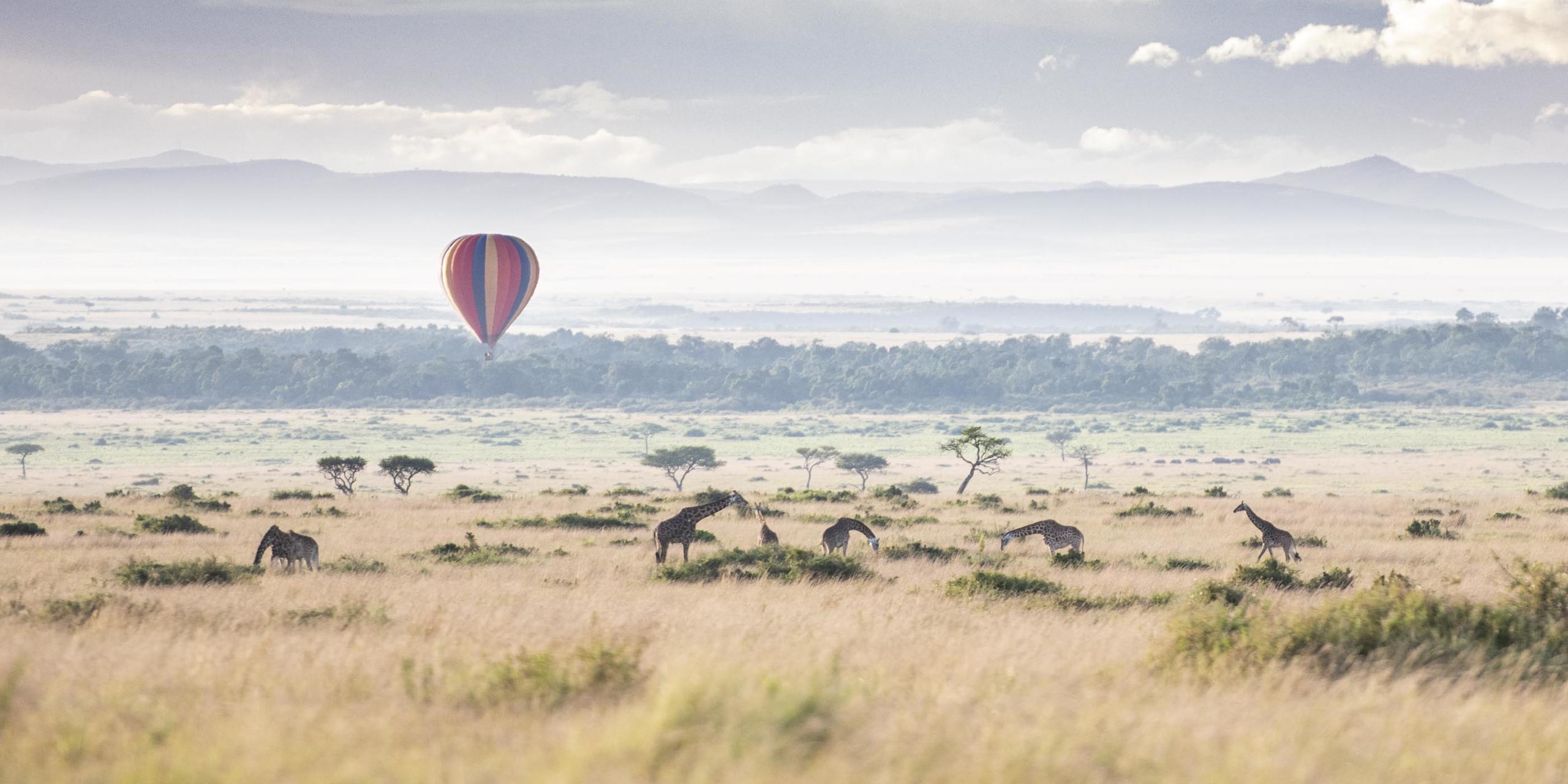
For travellers looking at the quality end of the market, which is the only end worth considering for a trip of this magnitude, a useful framework is a daily per-person rate, inclusive of accommodation, meals, game drives, guiding and most park or conservancy fees. Internal flights and international airfares sit on top.
- Quality camps (shared tented camps, strong guiding, reputable areas): roughly USD 500–900 per person per night all-inclusive
- High-end camps (private conservancies, superior guiding, small camp sizes, premium locations): roughly USD 900–1,600 per person per night
- Ultra-luxury (exclusive-use properties, private guides, extraordinary locations, every detail curated): USD 1,600 and above, with exclusive-use buyouts reaching significantly higher
A well-designed ten-night Kenya itinerary, one that moves between two or three ecosystems and gives you genuine depth, typically falls between USD 12,000 and USD 25,000 per person for accommodation and in-country logistics, before international flights. Ultra-luxury and exclusive-use travel can exceed that considerably.
National parks versus private conservancies: the single biggest cost driver
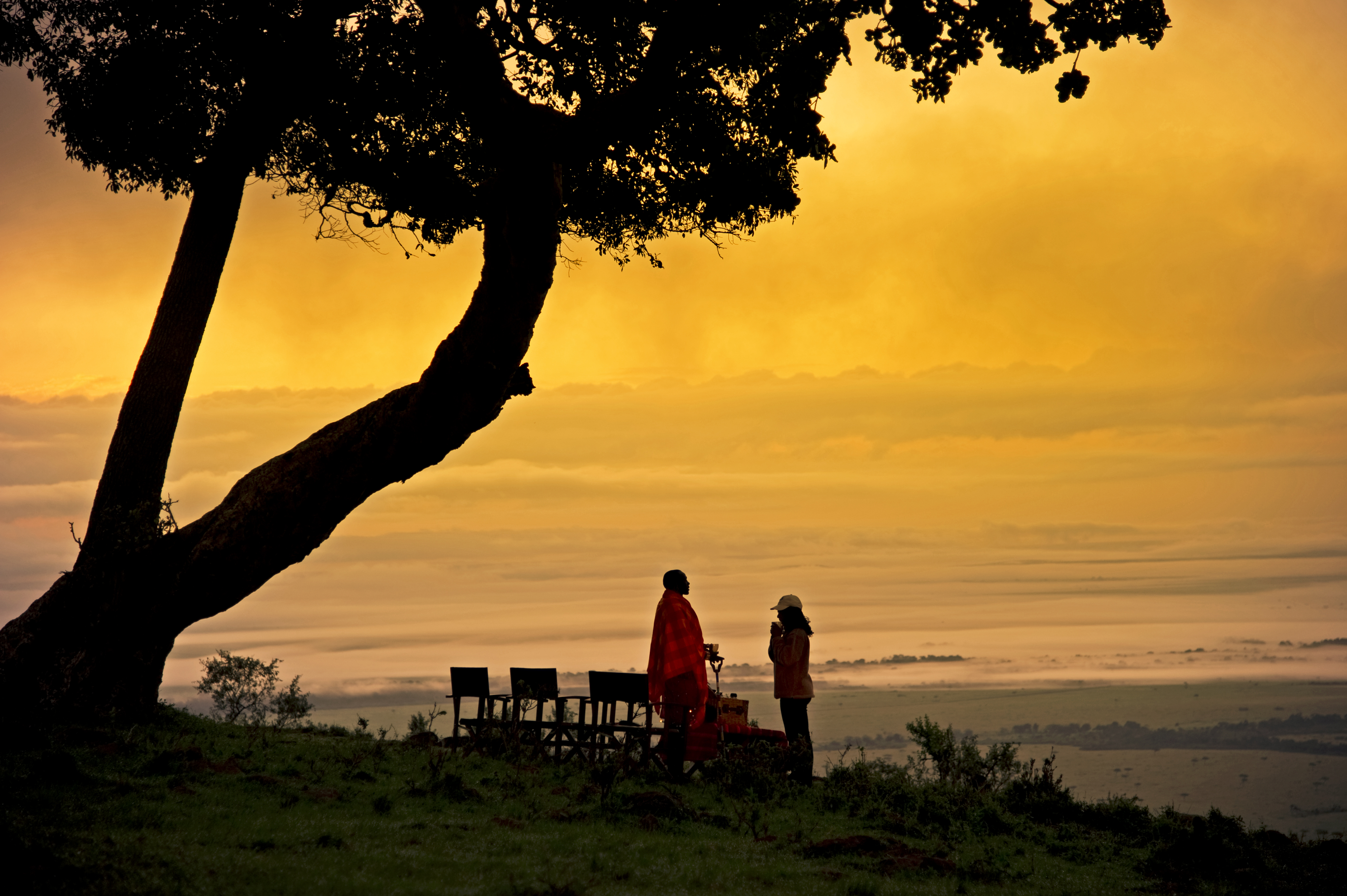
Many travellers first encounter Kenya safari pricing by looking at the Masai Mara National Reserve, Kenya's most celebrated wildlife area. The Reserve is governed by the Narok County Council and charges non-resident adults approximately USD 200 per person per day as of 2025, a figure subject to periodic revision by the county authority. While the Reserve offers spectacular game viewing, it is also busy, particularly during the Great Migration months of July to October.
Surrounding the Reserve are private conservancies: large tracts of Maasai community land leased specifically for low-density, high-quality tourism. These include Ol Kinyei, Naboisho, Mara North, Oisoki, and Lemek, among others. Conservancy fees typically run USD 80–150 per person per day on top of accommodation costs, but what they deliver is a fundamentally different experience:
- Night drives, which are prohibited inside the national Reserve
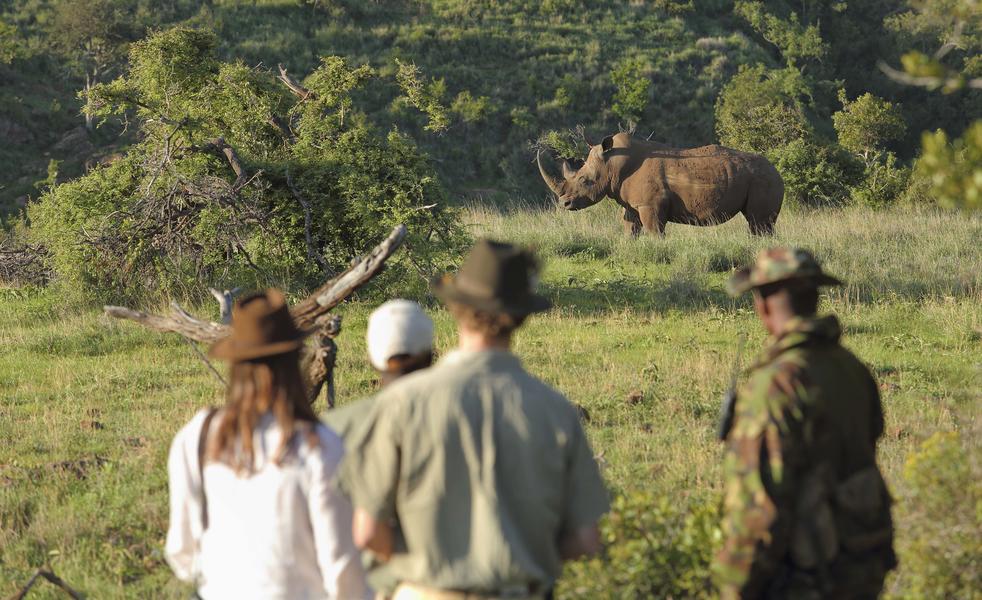
- Walking safaris with a Maasai guide
- Far fewer vehicles at any sighting, often just your own
- Off-road driving, also prohibited in the Reserve
- A direct contribution to the Maasai communities who live alongside the wildlife
For a luxury traveller, the conservancy fee is rarely the question. The question is where the experience is richer, and the conservancies consistently answer it.
The same principle holds across Kenya's other ecosystems. Laikipia Plateau, Samburu, Amboseli, and the Chyulu Hills all offer private or community conservancy access alongside or in place of national park entry, and the best camps sit in these zones precisely because the guiding freedoms make for a superior safari.
Internal flights: essential, not optional
Kenya is a large country and its finest wildlife areas are not close to Nairobi. Driving to the Mara is possible but takes four to five hours each way on roads that range from reasonable to genuinely arduous. For any trip above a certain quality threshold, internal flights are simply part of the design.
Scheduled services from Nairobi's Wilson Airport to the Masai Mara, operated by carriers such as Safarilink and AirKenya, typically run USD 200–300 per person one-way. Samburu, Amboseli, Laikipia, and the coast each have their own airstrip networks, and a multi-destination itinerary will include several legs.
Charter flights, where you book the entire aircraft, offer flexibility on timing and routing that scheduled services cannot match. For families or small groups, a private charter is often competitive per-person once convenience is factored in, and it removes the risk of a missed connection disrupting carefully timed game drives.
A realistic budget for internal flights across a ten-night, multi-ecosystem Kenya itinerary is USD 700–1,800 per person, depending on destinations and whether scheduled or charter services are used.
Season: how timing shapes price and experience
Kenya has two high seasons and two green seasons, and pricing follows accordingly, though low season in Kenya rarely means poor game viewing and often means something quite different and rather beautiful.
- Peak season (July–October): the Great Migration river crossings drive the highest demand and the highest rates; many camps charge a peak supplement, and availability at the best properties books up twelve months or more in advance
- High season (January–February and mid-June): excellent game viewing, strong demand, standard high-season rates
- Green season (November and March–May): rates drop, typically by 20–40% at most conservancy camps; landscapes are lush and dramatic, birding is extraordinary, and the Mara is far less crowded; some camps close in April and May
For a traveller whose priority is the Migration, July to October is non-negotiable. For someone whose priorities are photography, atmosphere, privacy, or value, the green season, particularly November and March, is often the most rewarding choice, and the savings are meaningful.
Lodge style and what it actually buys you
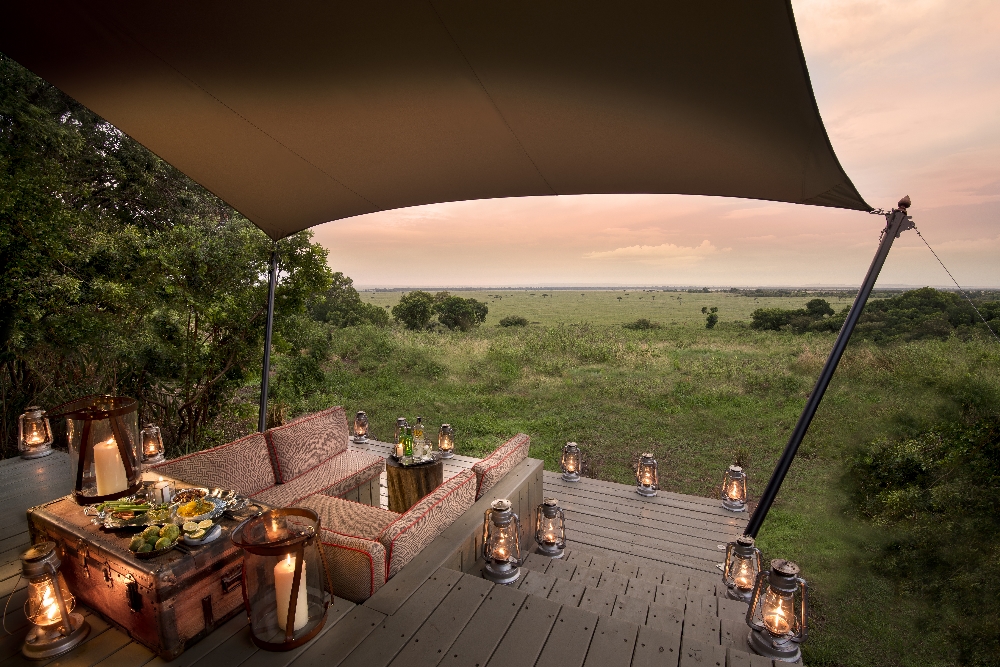
The difference in daily rate between a quality mid-range camp and an ultra-luxury property is not simply about linen thread counts. It reflects a genuine difference in the safari itself:
- Guide quality and ratio: the best properties employ guides certified to Silver or Gold level by the Kenya Professional Safari Guides Association (KPSGA), the industry's benchmark grading system, and operate on a low guest-to-guide ratio, sometimes one vehicle per couple
- Camp size and exclusivity: a camp of six tents hosts perhaps twelve guests at most; a camp of twenty tents can feel like a village; smaller almost always means better wildlife encounters because fewer vehicles compete for sightings
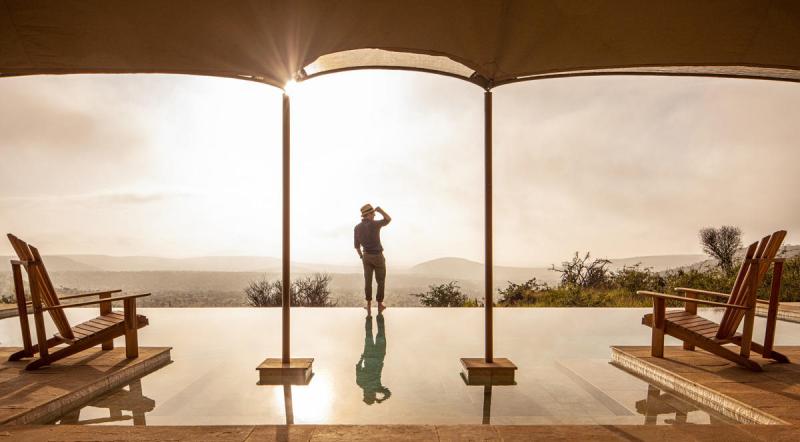
- Location within an ecosystem: the finest camps are positioned for game, not road access, on a river bend, beside a kopje, at the edge of a flood plain, and that positioning is part of what you are paying for
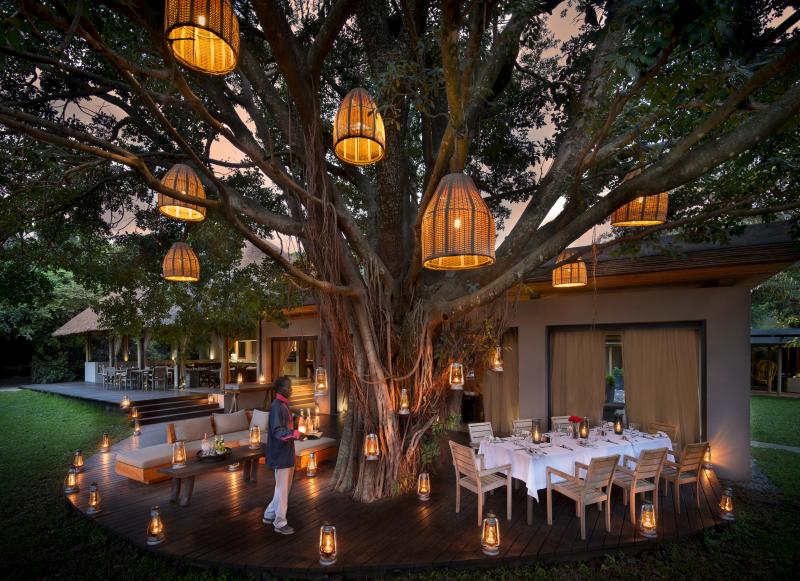
- Food and hospitality: at the high end, this is a genuinely exceptional level of personal service, with meals that reflect both local produce and considerable culinary skill
- Conservation and community contribution: the most reputable camps channel a meaningful portion of revenues into conservation programmes and community employment, embedded in the rate rather than added as an afterthought
Where to stay
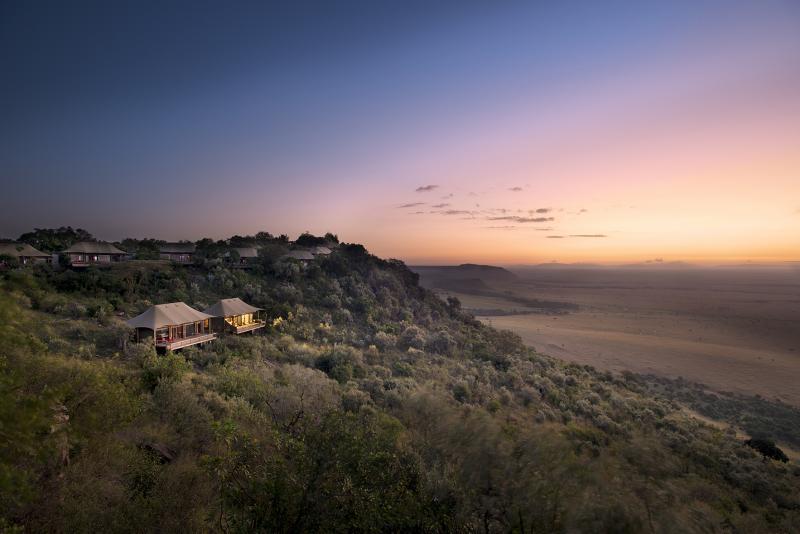
Group size and the private versus shared equation
Most camps sell on a per-person-sharing basis, pairing bookings into shared game drive vehicles with other guests. This works well when the group dynamic is harmonious, and often it is, but it means your schedule, pace, and focus are negotiated rather than sovereign.
Private vehicle hire, engaging the vehicle and guide exclusively for your party, typically adds USD 150–300 per day to the accommodation cost. For two people, this represents a meaningful per-person premium. For a family of four, the cost per head narrows considerably, and the benefit, dawn departures, extended time at a sighting, a guide who learns your interests and tailors accordingly, is transformative.
Exclusive-use camps, where your group takes the entire property, represent the apex of this principle. You set the rhythms. The staff are yours. Every meal is timed to your game drive. This format suits multi-generational families, groups celebrating a significant occasion, or anyone for whom genuine privacy is not a luxury but a requirement.
Featured safaris
.jpg)
What is typically included, and what is not
At reputable camps across the quality spectrum, the following are almost always included in the accommodation rate: all meals, soft drinks and house alcohol, twice-daily game drives, laundry, park or conservancy fees (confirm per property), and airstrip transfers. Items that commonly sit outside the rate include:
- Premium wines, champagne and spirits above house pour
- Spa treatments
- Cultural visits, walking safaris or specialist activities (sometimes included, confirm per property)
- Gratuities, which are customary and meaningful in Kenya
- International flights and travel insurance
- Single-occupancy supplements, which typically run 50–100% of the per-person-sharing rate depending on the property
Frequently asked questions
Is a Kenya safari more expensive than Tanzania?
The two countries occupy broadly the same price tier at the luxury end, with both offering world-class game viewing and exceptional camps. Kenya's conservancy model often means higher daily conservancy fees but greater guiding freedom; Tanzania's private concessions in the Selous, Ruaha, or the northern circuit operate on a similar principle. A combined Kenya and Tanzania itinerary is often the most rewarding approach for a first East Africa trip of ten days or more, and a specialist can design one that gives you the best of both.
How far in advance should I book a luxury Kenya safari?
For peak season travel, especially July to October, twelve to eighteen months ahead is not unusual for the most sought-after small camps. A property with eight tents has very few beds to sell. Green season and shoulder periods offer considerably more flexibility, but the best camps fill even then. The short answer: as soon as you know you want to go, begin the conversation.
Are children welcome on a Kenya safari, and does that affect cost?
Many Kenya camps welcome families with children, and a well-planned safari can be an extraordinary experience for young travellers. Age minimums vary by property, some set a floor of seven or eight years, others twelve, and children's programmes differ. Cost is affected primarily by room configuration (some camps have family tents or interconnecting rooms, which command a premium) and by whether a private vehicle is used. A specialist who knows the family-friendly properties well can match your children's ages and interests to the right camps and set a pace that works for everyone.
What is the best way to understand value rather than just price?
Compare what is actually delivered at each price point rather than looking at daily rates in isolation. A camp at USD 1,400 per person per night that includes conservancy fees, a private vehicle, expert guiding and extraordinary wildlife access may represent better value than one at USD 700 that charges separately for most of the above and operates in a busier, more restricted area. A specialist who has visited the camps and can speak to guiding standards, locations, and overall calibre of experience is far better placed to advise on value than any rate card.
At Vencha Travel, every Kenya safari is designed from genuine on-ground experience. No itinerary is off the shelf. If you would like to explore what a safari built around your interests and priorities might look like, a specialist will reply within 24 hours.
Let us turn this into your trip
Every Vencha journey is tailor-made from real on-ground experience. Share your dates and a specialist will reply within 24 hours.
Plan your safari
Salma is a Safari Consultant and Reservations Specialist at Vencha Travel & Tours, based in Arusha, Tanzania the gateway to some of Africa's most iconic wilderness destinations. With deep roots in East African travel and a passion for crafting unforgettable safari experiences, Salma brings personal warmth and expert local knowledge to every trip she plans. From the sweeping plains of the Serengeti to the turquoise waters of Zanzibar, Salma's writing reflects her genuine love for Tanzania's landscapes and wildlife. Whether you're a first-time safari-goer or a seasoned explorer, her insights are your guide to making the most of every adventure.