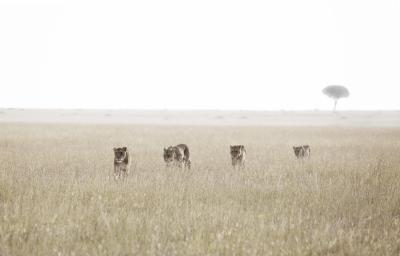
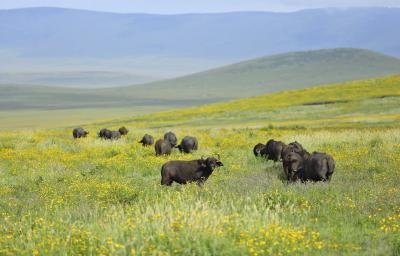
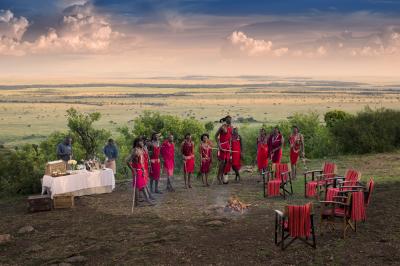
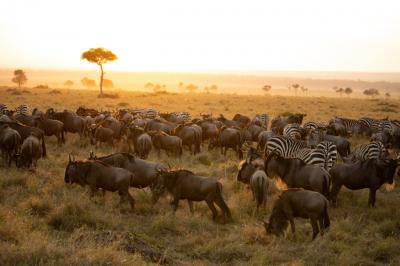
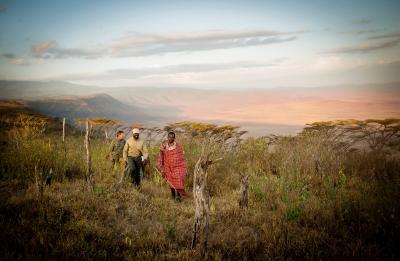
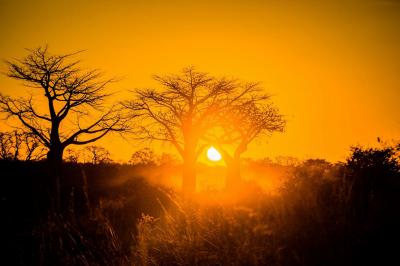
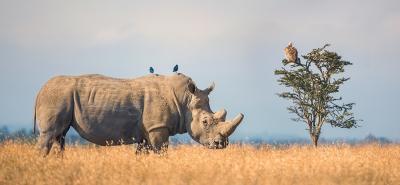
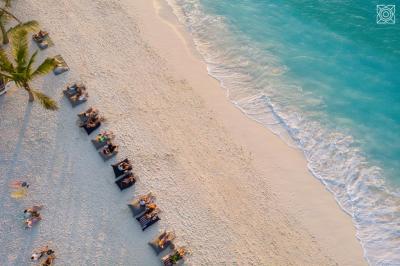
Tanzania is one of the world's great safari destinations - and knowing the best time to visit Tanzania makes the difference between a good trip and a truly extraordinary one. Unlike a generic Africa-wide guide, this article drills into Tanzania's specific seasonal rhythms: which parks peak when, where the crowds go, and which months suit different types of traveller.
If you are still weighing Tanzania against other destinations, our Africa-wide best time for a safari guide covers the broader picture.
Tanzania's wildlife calendar is shaped by two forces: rainfall and the Great Migration. Get these right and you will find yourself at the right place at exactly the right moment. Get them wrong and you may find your favourite park deep in shoulder season - which is not necessarily a bad thing, but it pays to go in with your eyes open.
Tanzania's Two Seasons at a Glance
Tanzania broadly divides into a dry season (June to October) and a green season (November to May, with a short dry break in January to February). Each has its merits depending on what you are looking for.
Dry season (June to October)
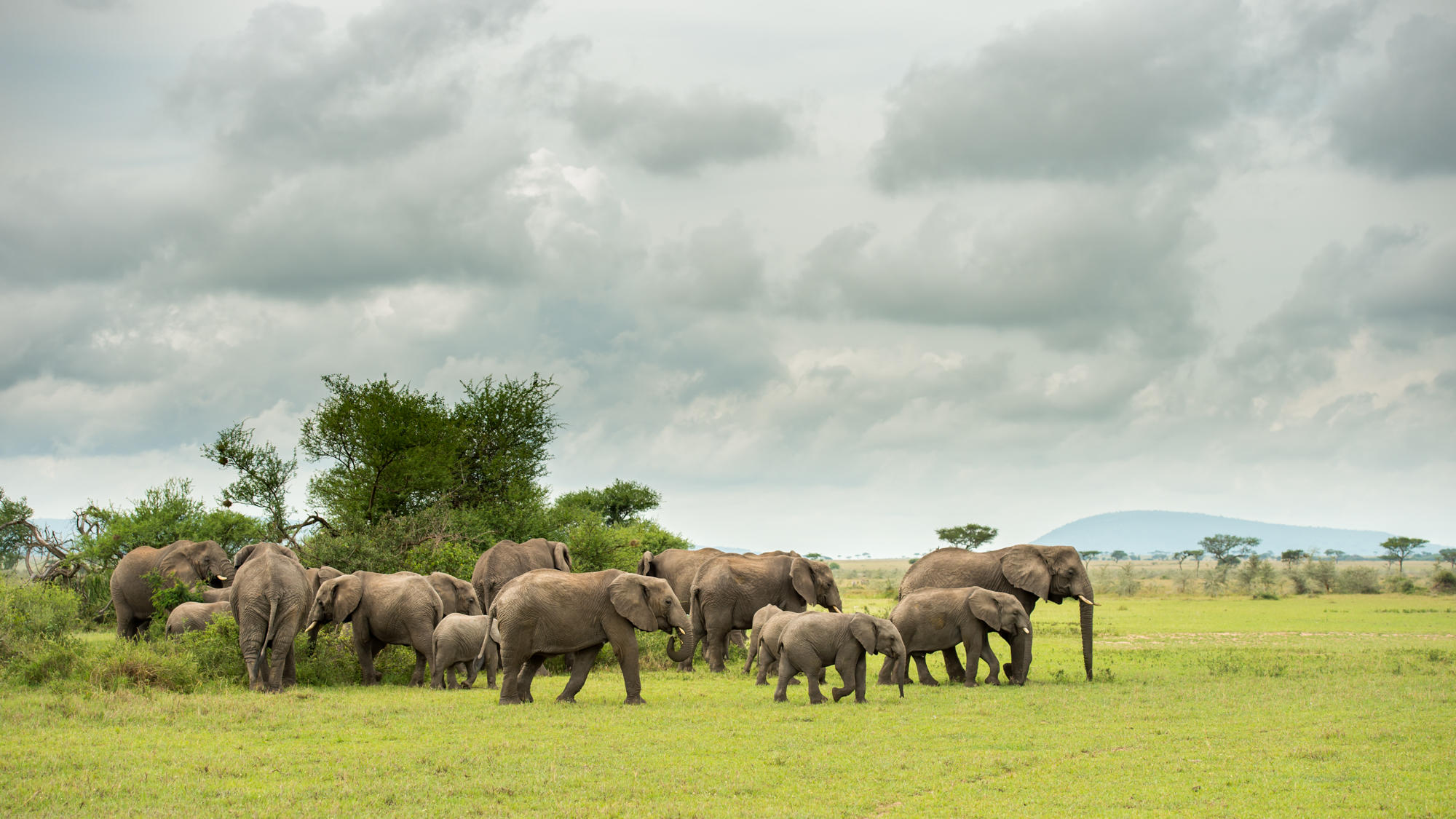
Tanzania safari seasons peak during these five months. Vegetation thins out, animals concentrate around permanent water sources, and roads are generally accessible. This is prime time for the Great Migration river crossings in the northern Serengeti and the best all-round game viewing across most parks. Expect higher prices and more vehicles at popular sightings.
Green season (November to May)
The landscape transforms into something lush and cinematic. Crowds thin dramatically, rates drop by 20 to 40 percent at many camps, and the birdwatching is exceptional as migratory species arrive from Europe and Asia. January and February offer a brief dry window inside the green season - ideal for calving season in the southern Serengeti.
Month-by-Month Tanzania Safari Seasons Breakdown
| Month |
Season |
Highlights |
Crowds |
Value |
| January |
Short dry break |
Calving in southern Serengeti; Ngorongoro excellent |
Moderate |
Good |
| February |
Short dry break |
Peak calving; predator activity very high |
Low-Moderate |
Good |
| March |
Long rains begin |
Green and dramatic; some camps close |
Low |
Excellent |
| April |
Long rains peak |
Some parks inaccessible; Zanzibar avoid |
Very low |
Best rates |
| May |
Long rains tapering |
Migration heading north; fewer tourists |
Very low |
Best rates |
| June |
Dry season begins |
Great value; excellent game; migration arriving north |
Building |
Good |
| July |
Dry season peak |
River crossings begin; top wildlife month |
High |
Premium |
| August |
Dry season peak |
Peak river crossings; all parks excellent |
Highest |
Premium |
| September |
Dry season peak |
Excellent game; slightly fewer crowds than August |
High |
Premium |
| October |
Late dry season |
Short rains threaten; migration heading south |
Moderate |
Good |
| November |
Short rains |
Lush scenery; great birding; fewer visitors |
Low |
Excellent |
| December |
Short rains tapering |
Holiday period busy; baby animals; good value early |
Moderate-High |
Mixed |
The Serengeti: Timing the Great Migration
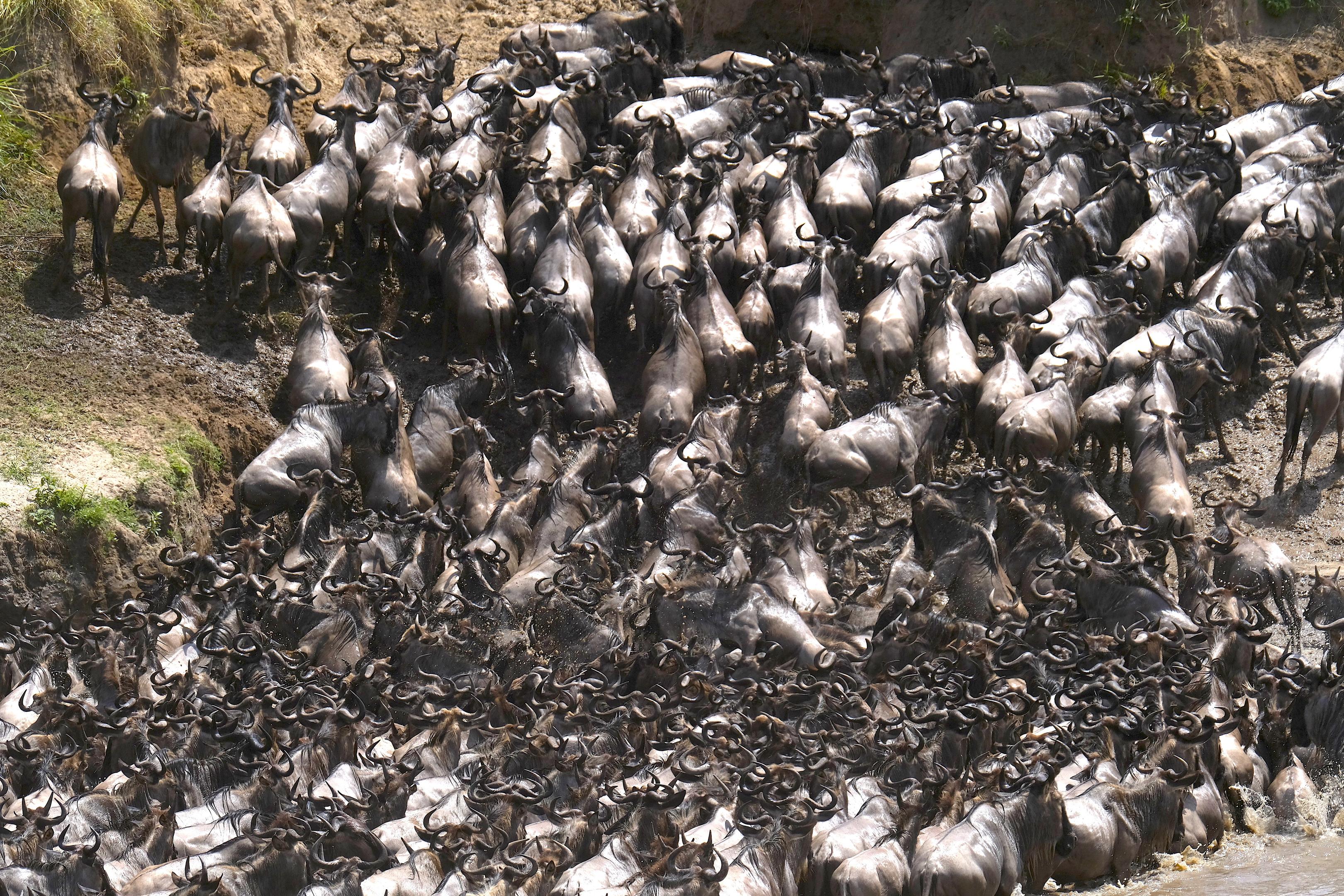
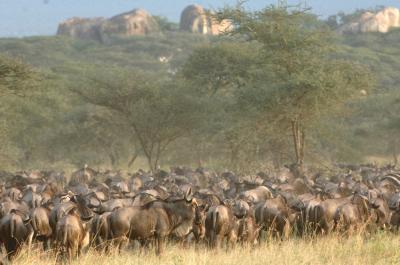
No single wildlife event shapes when to go Tanzania more than the Great Migration. Over 1.5 million wildebeest and hundreds of thousands of zebra circle the Serengeti ecosystem in an annual loop driven by rainfall and grass. Understanding where they are month by month is the key to planning your Serengeti Great Migration safari.
January to March (Southern Serengeti and Ndutu)
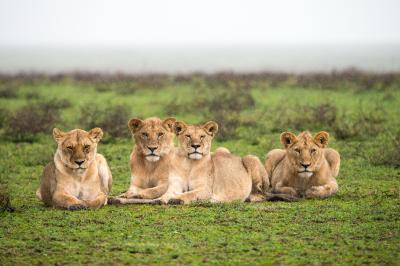
The herds are in the short grass plains of the south, calving in January and February. This is one of the most underrated times to visit - predator concentrations are extraordinary, the landscape is green and dramatic, and visitor numbers are a fraction of peak season. Camps at Ndutu fill up for calving season, so book ahead.
April to May (Central Serengeti)
The herds begin moving north. The long rains make some roads difficult but the Serengeti's central corridor remains mostly accessible. Rates are at their lowest and the sense of having the park to yourself is real.
June to July (Western Corridor)
The wildebeest reach the Grumeti River in June, offering the first dramatic crossing opportunities. This is excellent value compared to August - game is superb and crowds are lower than peak.
July to October (Northern Serengeti)
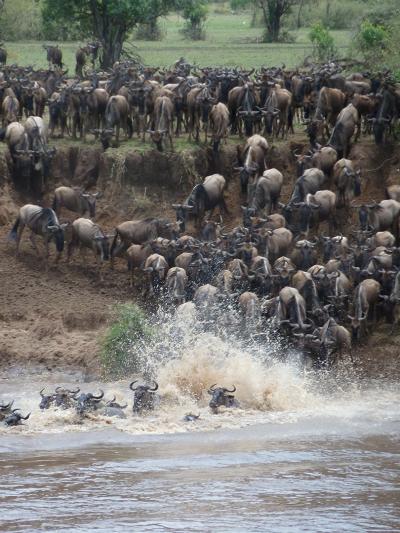
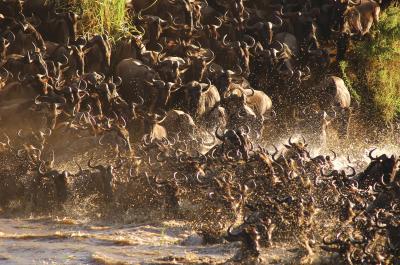
The famous Mara River crossings happen throughout this period, peaking in August and September. The northern Serengeti around Kogatende is the place to be. Camps here are remote and expensive - but the experience of watching thousands of wildebeest launch into crocodile-filled waters is genuinely unforgettable. Book camps 12 to 18 months in advance for this period.
November to December (Southern Serengeti)
The herds loop back south as the short rains arrive. This is a transitional period - less predictable but often rewarding for those who enjoy uncertainty and lower prices.
Ngorongoro Crater: When to Go and What to Expect
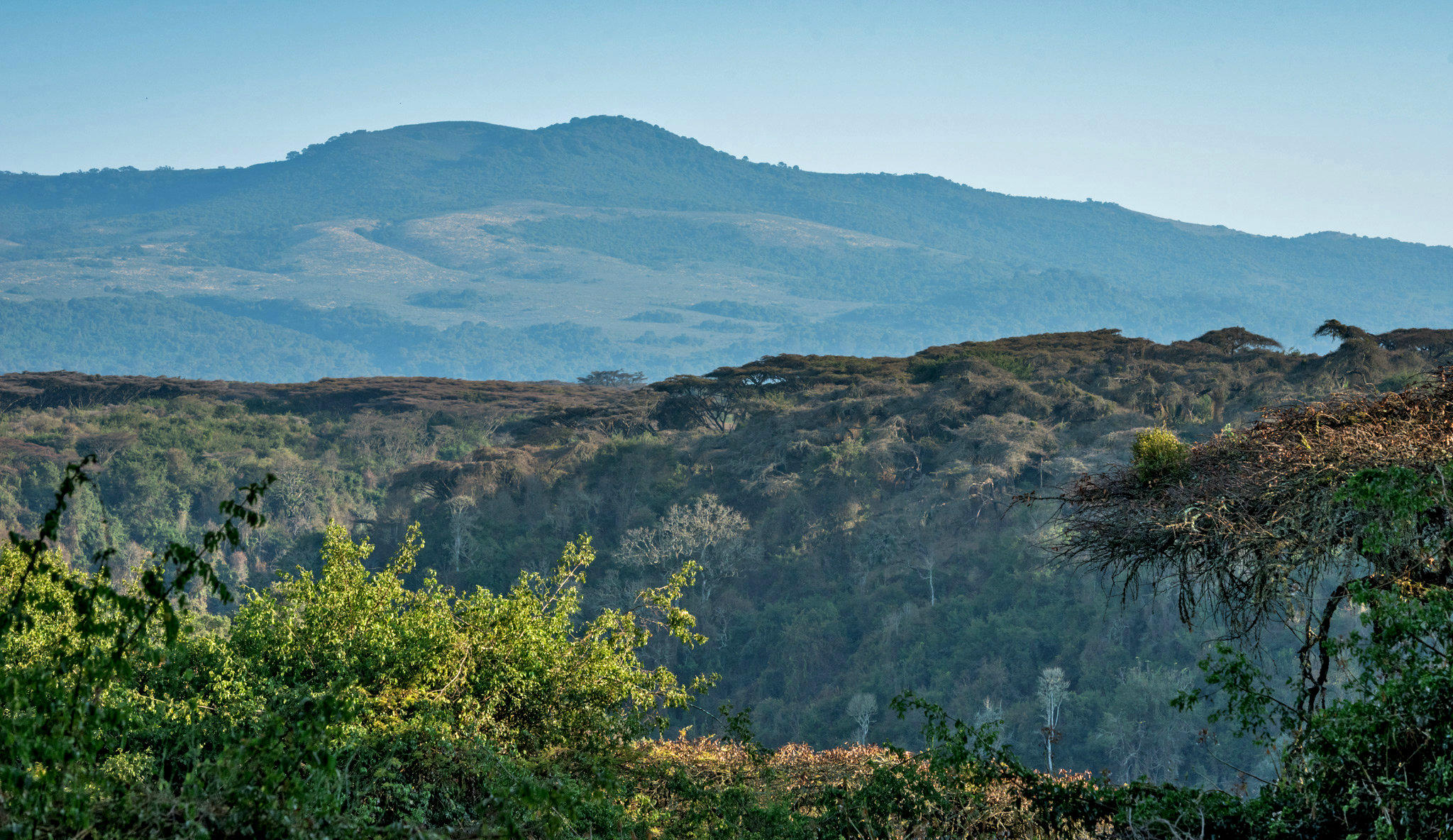 The Ngorongoro Crater is Tanzania's most visited wildlife area - and for good reason. This self-contained ecosystem supports the highest density of predators in Africa, including lion, leopard, cheetah, spotted hyena, and black rhinoceros. Unlike the Serengeti, the crater offers excellent wildlife viewing year-round, which makes it ideal for visits during the green season. Read our dedicated Ngorongoro Crater safari guide for detailed planning advice.
The crater's key consideration is not wildlife but weather. Morning mist often fills the crater floor between March and May, which can be atmospheric but limits photography. July to September offers clear skies, excellent light, and the crater is at its most photogenic. However, the single access road can create queues of vehicles at popular predator sightings - this is the trade-off for visiting during peak season.
For those willing to visit in November or December, the crater is still outstanding for wildlife and the reduced vehicle numbers mean sightings feel more intimate. The rim viewpoints draped in cloud are dramatic in their own way.
Southern Tanzania: Ruaha and Selous - Tanzania's Best-Kept Secret
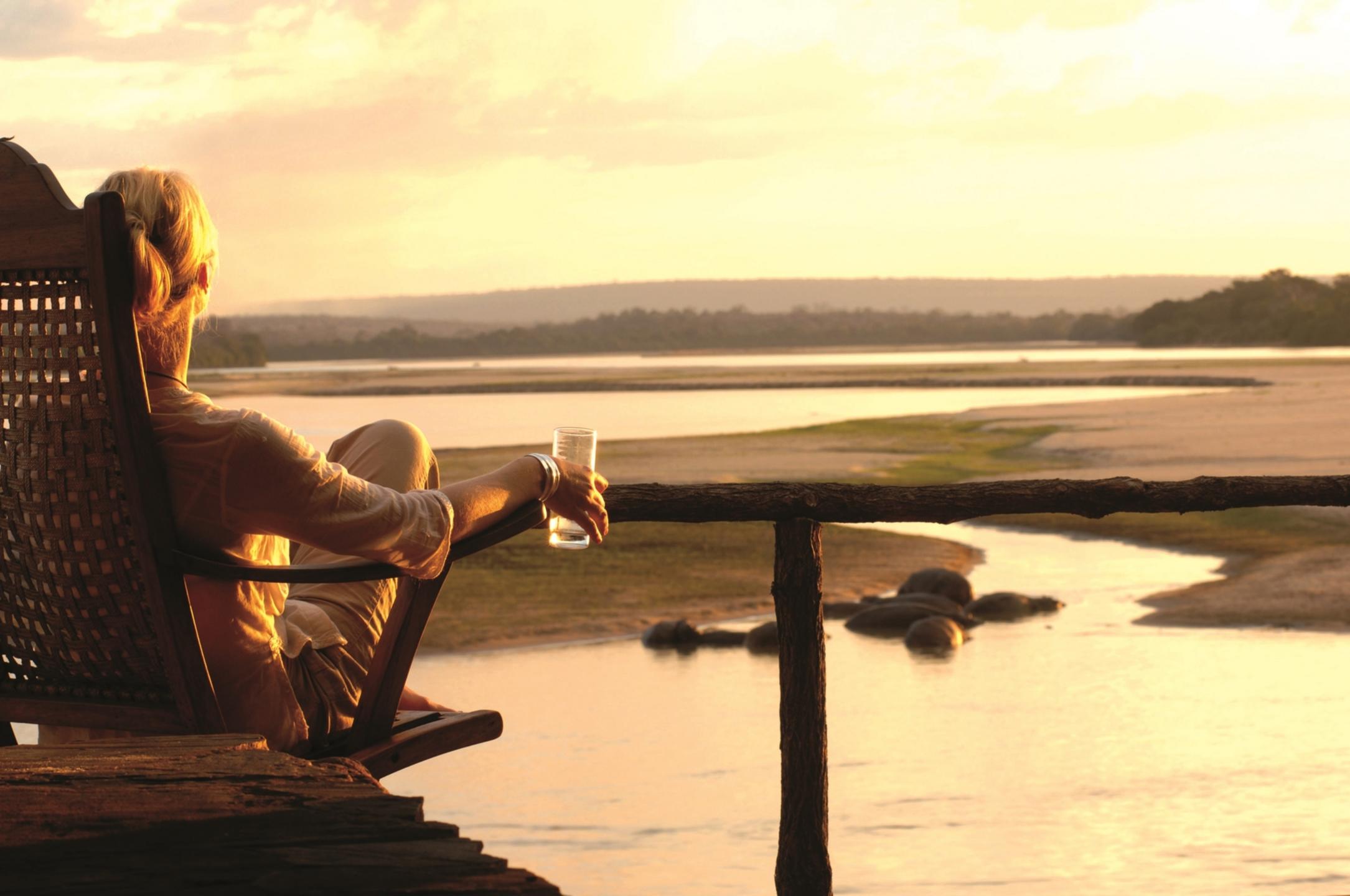 While the north dominates Tanzania's safari reputation, the southern circuit - centred on Ruaha National Park and the Selous Game Reserve (Nyerere National Park) - offers a fundamentally different experience. These are wild, remote, and barely touched by mass tourism. The best time to visit Tanzania's south is firmly within the dry season, June to October, when animals concentrate along the Ruaha and Rufiji rivers.
Ruaha in particular deserves more attention than it gets. The park supports exceptional elephant populations, large lion prides, and reliable sightings of wild dog - one of Africa's most endangered predators. Because most visitors never make it past the northern circuit, Ruaha feels genuinely remote even in peak season. The trade-off is that most camps close from March to May and access requires a charter flight.
Ready to Experience Tanzania’s Wild South for Yourself?
Ruaha and Nyerere aren’t destinations you stumble into they’re crafted, carefully, around timing, access, and the kind of experience you want on the ground. Whether you’re chasing remote big cat encounters, planning around school holidays, or looking for that perfect balance of value and exclusivity, the difference is in the details.
At Vencha Travel, we design every journey from scratch matching the right camps, flight logistics, and seasonality to your travel style.
Plan My Tailor-Made Safari
Which Month is Right for You?
Families with school-age children
July, August, and the Christmas school holiday period in December and early January. Game is excellent, weather is reliable, and the camp activity programmes are at their best during peak season.
Budget and value travellers
February is the outstanding sweet spot - calving season delivers exceptional predator action at green season rates, with fewer vehicles than July or August. May is the most affordable month but some camps close.
Luxury and exclusivity seekers
June offers peak-season quality at slightly lower prices than July to September. For maximum exclusivity, consider the southern circuit parks in June to August where you may have sightings entirely to yourself.
Migration-focused travellers
July to September for the Mara River crossings. Book the northern Serengeti specifically - not just "the Serengeti" - as the crossings happen in a specific geographic zone. February for calving in the south, which many experienced safari-goers consider equally spectacular.
Bird enthusiasts
November to April when Palearctic migrants are present. Tanzania's birdlist tops 1,000 species and the green season delivers extraordinary sightings in a landscape transformed by rain.
Frequently Asked Questions: When to Go to Tanzania
What is the best time to visit Tanzania overall?
June to October is the single best window if you want reliable game viewing, dry weather, and access to all parks. Within this window, July and August offer peak migration river crossings but highest prices. June and September offer almost identical wildlife quality with marginally fewer crowds and slightly lower rates.
Is Tanzania good in December?
The first half of December, before the short rains intensify, can be excellent - especially around Ngorongoro and the southern Serengeti where the herds are present. The Christmas period itself sees prices spike and some areas fill with visitors. Early December (1-15) is often a sweet spot combining good wildlife with festive atmosphere at lodge level.
How does Tanzania compare to Kenya for safari timing?
Tanzania and Kenya share the same Serengeti-Mara ecosystem - the wildebeest cross from Tanzania into Kenya's Masai Mara from around August to October. If your priority is the river crossings, both offer them in slightly different forms. Tanzania is generally less crowded, more affordable in the southern circuit, and the dry season timing is essentially identical. Our Africa safari timing guide covers both countries in detail.
What are the crowds like at the Serengeti in peak season?
Honest answer: the main circuit around Seronera can feel busy in July and August, with multiple vehicles at lion sightings. The northern Serengeti (Kogatende) and the southern plains (Ndutu in calving season) are substantially less crowded even in peak months. Choosing where to stay in the park matters as much as when to go. Fly-in camps in remote sectors offer far more exclusive experiences than lodges near the main entrance.
Can I combine Tanzania safari with Zanzibar?
Yes - and this is one of the classic combinations. The best time to combine both is June to October, when safari conditions are optimal and Zanzibar's east coast is at its sunniest. Avoid April and May for Zanzibar as the long rains bring heavy and persistent rainfall. A typical combination is 5 to 7 nights on safari followed by 3 to 4 nights on Zanzibar, ending your trip on the beach.
Plan Your Tanzania Safari with Vencha Travel
Timing a Tanzania safari well is the single biggest factor in the quality of your experience. Our team of specialists has spent years in Tanzania's parks and knows exactly which camps to position you in for each month of the year. We tailor every trip to your travel dates, interests, and budget - from intimate walking safaris in the dry season to exclusive calving season expeditions in February.
Explore our Tanzania Safari Packages or get in touch directly and we will design a bespoke itinerary around the dates that work for you.
Plan Your Tanzania Safari - Enquire Now