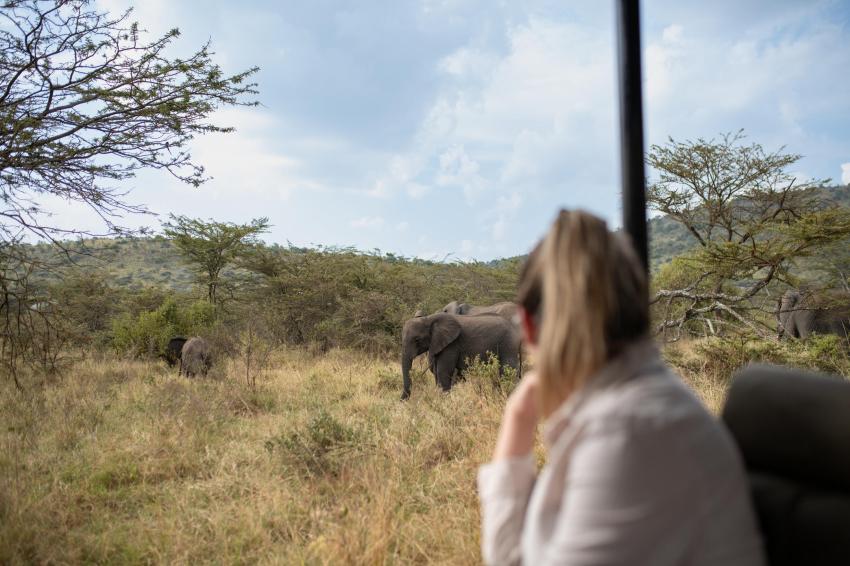
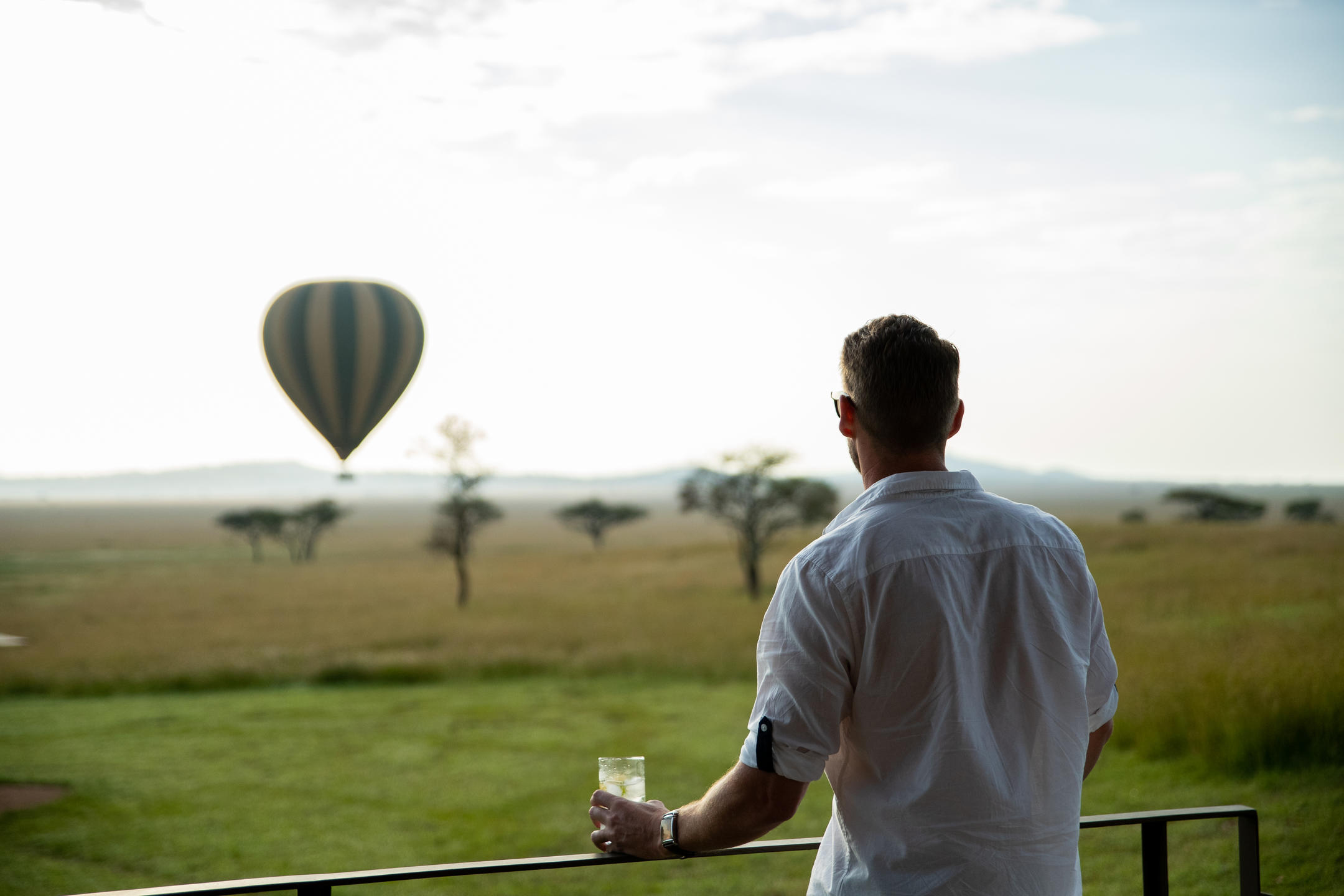
When people think about what makes a “good safari,” they often picture infinity pools overlooking the savannah, designer tents and sundowners served by private butlers. In the age of social media, it’s easy to get swept up in the idea that this is what equates to an incredible safari experience, not what actually happens on the ground.
With 10 years of experience leading safaris across East Africa and beyond, we’ve seen all ends of the spectrum. Safaris that are life-changing because they focus on people, wildlife and planet, and those that don’t deliver on the hype because the focus is on aesthetics.
If you ask seasoned guides, conservationists or repeat safari travellers what defines a great safari, their answers might be slightly different. But there’s one thing for sure, it doesn’t lie in the level of luxury provided by the lodge or camp. A luxurious stay might be the cherry on the top, but it’s definitely not one of the essential ingredients.
So what does matter when it comes to finding a “good” safari experience? We think we have a few of the answers.
1. The Quality of Guiding
Something that is often overlooked by first-time safari travellers is the level of expertise and experience of the guide. Let’s be clear - they are so much more than someone who simply drives you to a watering hole and points out wildlife!
A skilled guide doesn’t just spot animals - they read landscapes, interpret behaviour and connect what you’re seeing to ecology, climate and conservation realities. They know when to wait quietly, rather than chase sightings. And they know how to position a vehicle so as not to stress wildlife.
You can stay at the most luxurious safari lodge with 5-star facilities. But if the quality of guiding is poor, you’re getting a sub-par experience. On the other hand, a less luxurious camp with an exceptional guide can deliver a transformative experience - one that you will remember for many years to come.
So what makes an exceptional guide? In our opinion, they are someone who can:
- Track animals ethically, without crowding, baiting or pressure
- Explain why animals behave as they do, not just what they are
- Share knowledge of local ecosystems, seasons chnages and threats currently being faced
- Adjust wildlife viewing experiences based on weather, animal movement and guest interests
2. Time and Patience
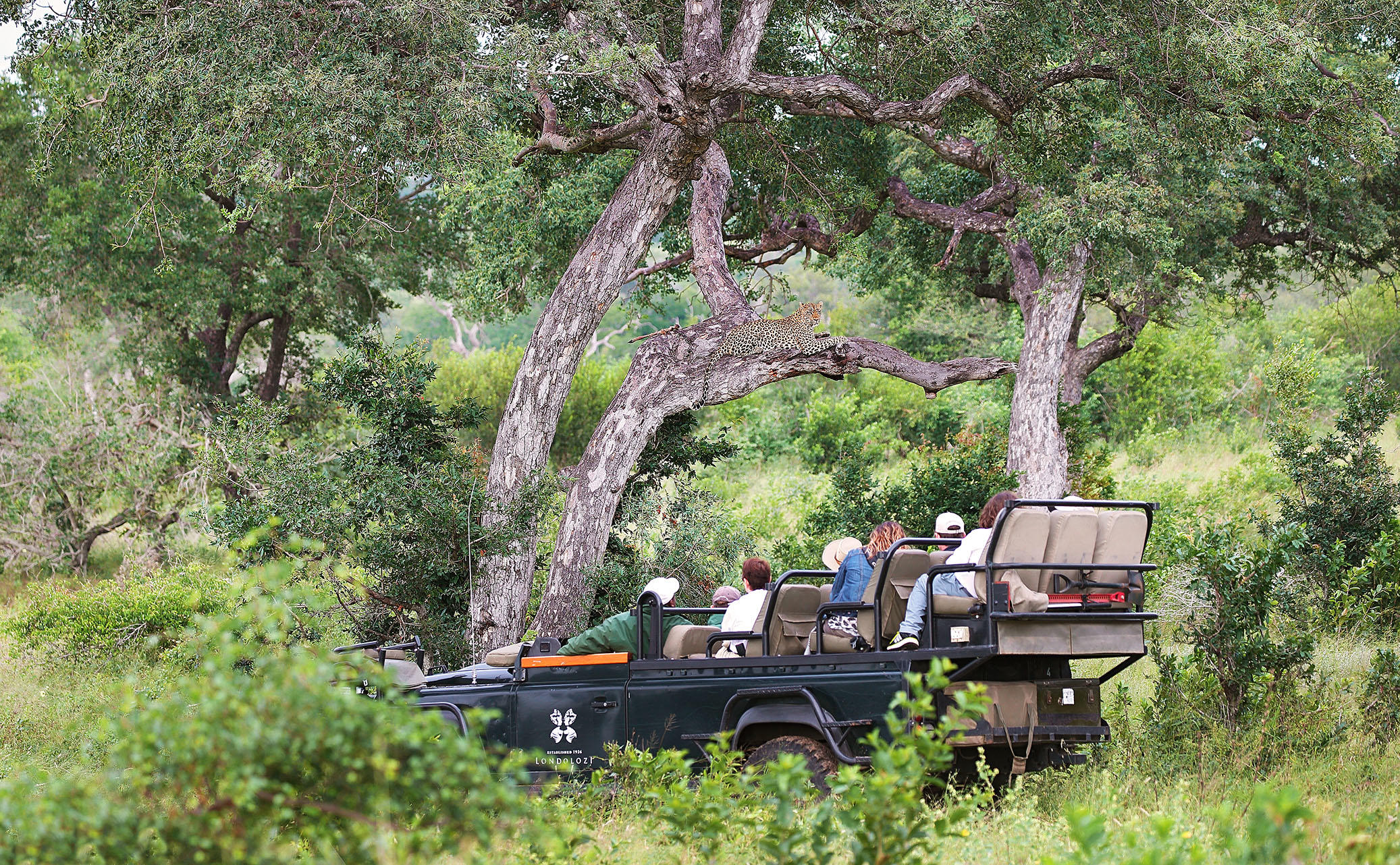
Wild animals are exactly that: wild! As such, the most memorable safari moments rarely happen on your schedule. Sometimes it means taking the time to linger and watch a herd settle or waiting for a hunt that may or may not unfold.
Occasionally, you stumble upon something exciting and strike it lucky! But more often, you need to have patience and sit quietly as the bush reveals its wonders.
When safari itineraries are rushed or designed to maximise sightings in minimal time, the experience suffers. Having a list of animals to “tick off” your list in the space of a few days is more transactional than meaningful.
For an immersive and life-changing experience, plan a safari that prioritises longer stays in one area, rather than constantly moving from place to place. This means you won’t be rushing morning or afternoon game drives due to charter flight schedules or to meet ground transport bookings.
Our years of experience have taught us that flexibility over rigid timelines often makes for the most rewarding safari experiences.
3. Ethical Wildlife Encounters
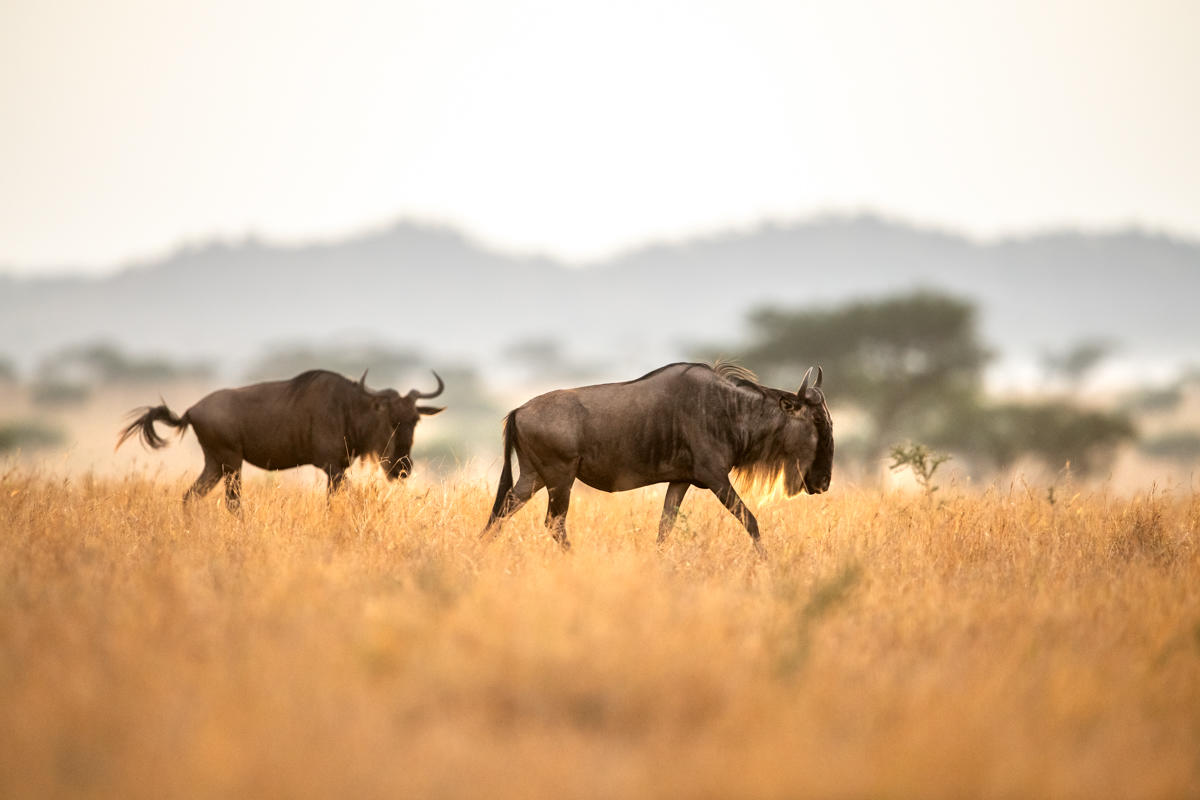
Getting as close as possible to wildlife is not the same as having a meaningful safari experience. In fact, it can often be detrimental to wild animals.
Crowding predators, chasing prey or blocking migration routes may lead to dramatic photos. But it’s often at the expense of animal welfare and long-term ecosystem health.
In our opinion, ethical wildlife encounters and responsible safari tourism matter more than close proximity. These are safaris that respect natural rhythms and animal behaviour cues.
A good safari maintains respectful viewing distances. This is where experienced guides come in, as they know how to respect breeding, hunting and resting behaviours.
An ethical wildlife encounter also means limiting the number of safari vehicles at sightings and avoiding off-road driving, which runs the risk of habitat destruction.
4. Ecosystem Diversity Over “Big Five” Encounters
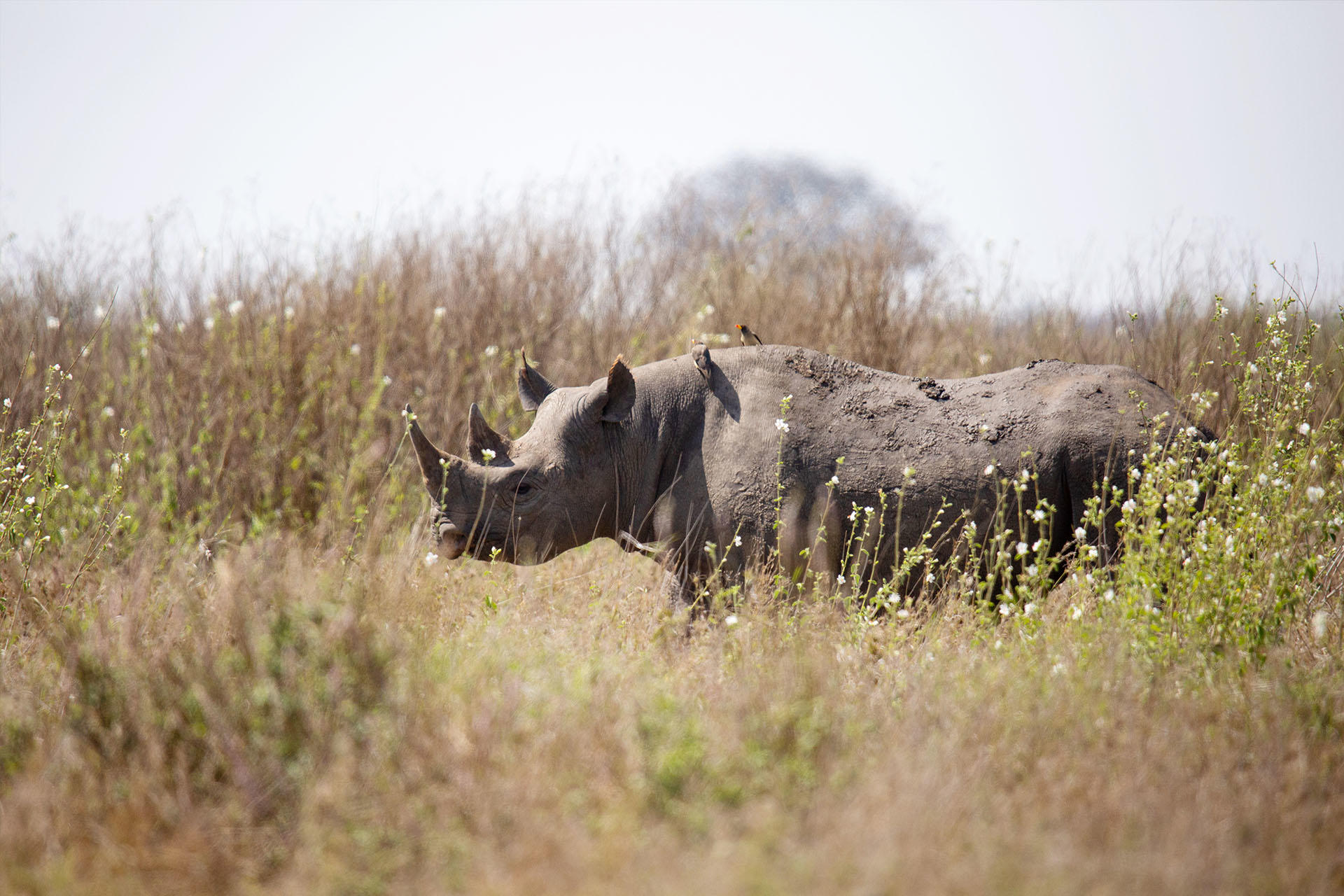 Safaris are often marketed in terms of “Big Five” sightings and many travellers get fixated on this quantitative experience. The mindset is: If I’ve seen the “Big Five”, it means I’ve had a “good” safari experience.
But wildlife doesn't exist in isolation.
Some of the most rewarding safari experiences happen in places with fewer “Big Five” species but a richer ecology. It’s in destinations like these that you’ll encounter a greater diversity of species and gain a better understanding of how ecosystems work.
Good safaris frame wildlife encounters within seasonal changes and water availability, as well as migratory patterns. They also offer insights into how humans and wildlife have coexisted over the years, both successfully and unsuccessfully.
Understanding how wildlife, habitats, humans and climate interact leads to a deeper appreciation of Africa’s ecosystems, compared to ticking animals off a checklist.
5. Genuine Conservation
 “Eco” and “sustainable” are terms that are commonly thrown around in safari marketing material. But lodges, camps and safari operators don’t always live up to their claims. Sometimes, safari conservation impact is their “brand”, rather than their operational philosophy.
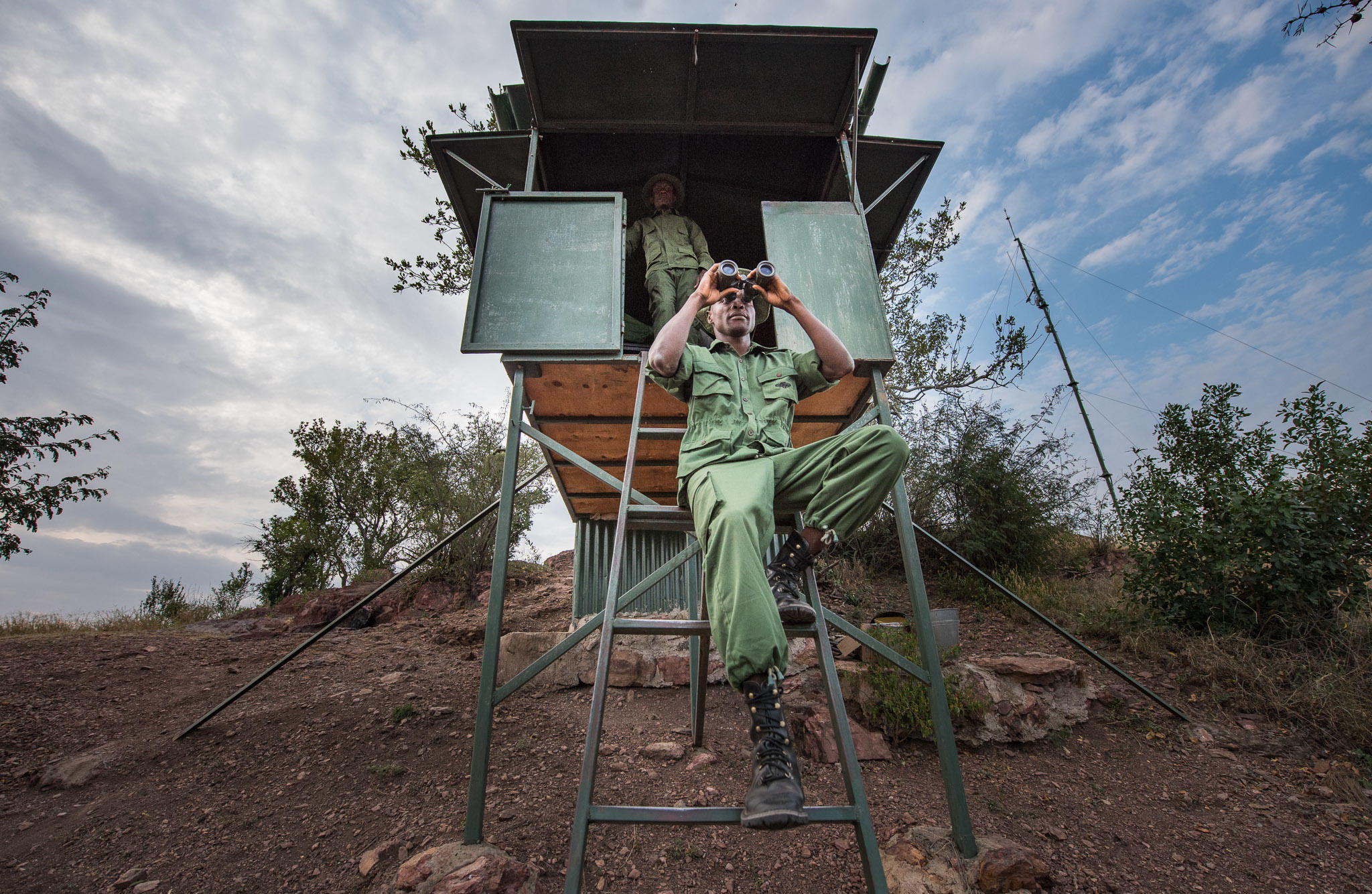
A genuinely “good” safari contributes to conservation in tangible ways. This might include funding anti-poaching patrols, supporting habitat protection or sharing revenue with surrounding communities. It might be training staff for employment beyond low-wage roles or building low-impact infrastructure that doesn’t negatively affect local habitats.
There are lots of ways safaris and safari operators can have a meaningful conservation impact. But misleading marketing is not one of them.
6. Respectful Relationships with Local Communities
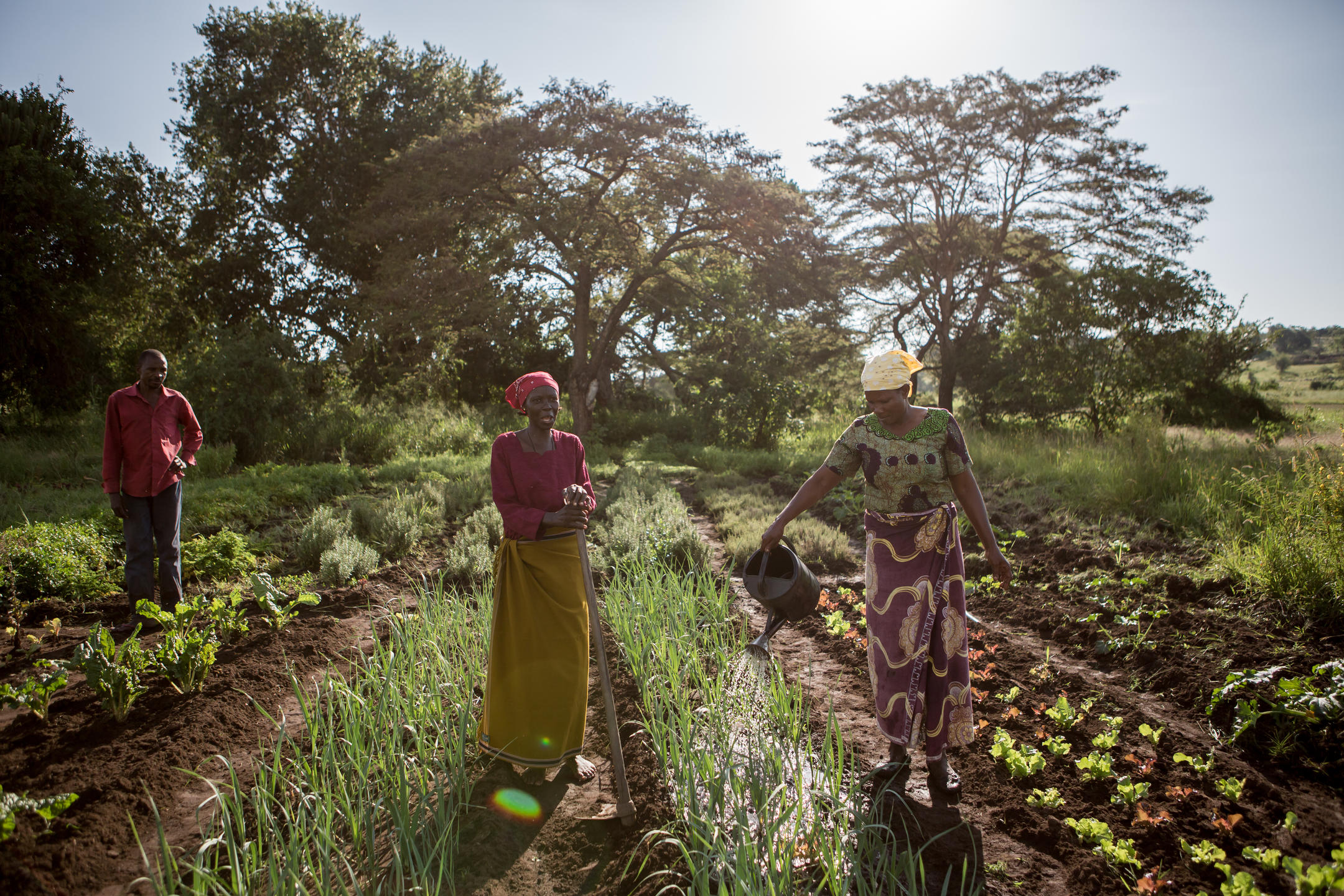 Wildlife does not exist separately from people. Safaris that ignore or exploit surrounding communities are unsustainable in the long term and, from our point of view, they are unethical.
Sustainable safari travel acknowledges that conservation succeeds only when local people benefit from protecting wildlife. Then, it becomes a shared mission.
What does this look like on the ground? It might be community-owned conservancies where locals take a leading role in habitat management. Or it might mean education and training opportunities that are directly funded by tourism dollars.
It may also be genuine cultural experiences, rather than staged performances that bow to tourist expectations of “tribal Africa”.
7. Small Group Sizes
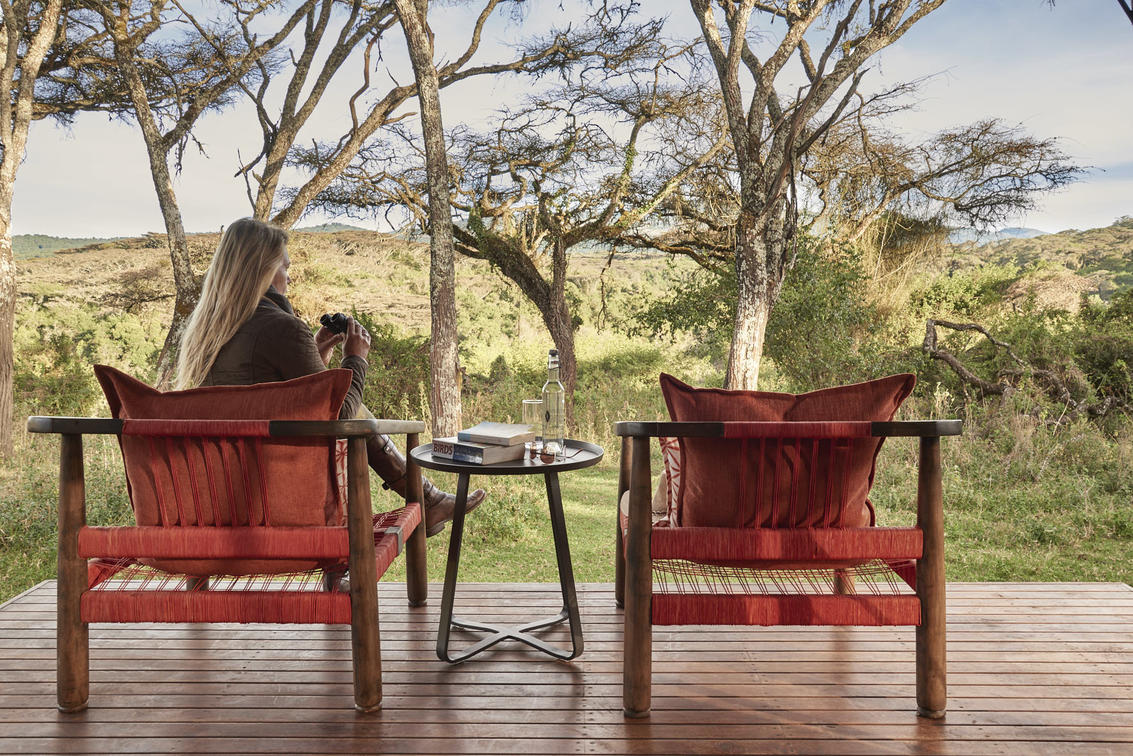
They say that size doesn’t matter. But on safari, it does. Smaller group sizes = more rewarding experiences in more ways than one.
Fewer guests in safari vehicles allows for quieter wildlife viewing opportunities and more customised experiences. It means you can communicate better with your guide and build more flexibility into your game drives.
There’s no rushing back to the camp or lodge because a toddler in your jeep has had a tantrum or another guest has a flight to catch!
A small group safari also means you have more chance to observe animal behaviour naturally, rather than try to compete for views or photography positions. In turn, this reduces pressure on wildlife and improves the overall quality of the sightings.
Most importantly, it means you can alter the pace and itinerary of the safari to your interests, rather than being dictated by large group dynamics.
8. Safari Expectations vs Reality
Lastly, it’s important to note that your perception of a “good” safari begins well before you arrive in Africa.
If you’re expecting to drive straight up to animals and have them perform on cue, a safari is likely to disappoint. And if you’re convinced that every game drive will be filled with blockbuster sightings, it might be worth reconsidering a safari in the first place.
In the wild, some days are quieter than others and weather can alter plans at a moment’s notice. But that’s part of the thrill - nothing is guaranteed and you are encountering animals in their habitat and on their terms.
When travellers arrive with realistic expectations and a sense of patience (rather than entitlement), the experience will be far more rewarding. It’s about embracing the uncertainty and the opportunity to learn about African ecosystems, not being fixated on the “spectacle”.
A Good Safari Is Not About Luxury
A beautifully curated lodge or camp with all the luxury amenities can provide a wonderful base. But it doesn’t define the safari experience itself. What makes a safari “good” is how well it connects you to wildlife, landscapes and the people who protect them.
In our experience, community-based safari tourism and ethical wildlife encounters are far more impactful than high-end tourism that values aesthetics above all else.
Help Me Plan