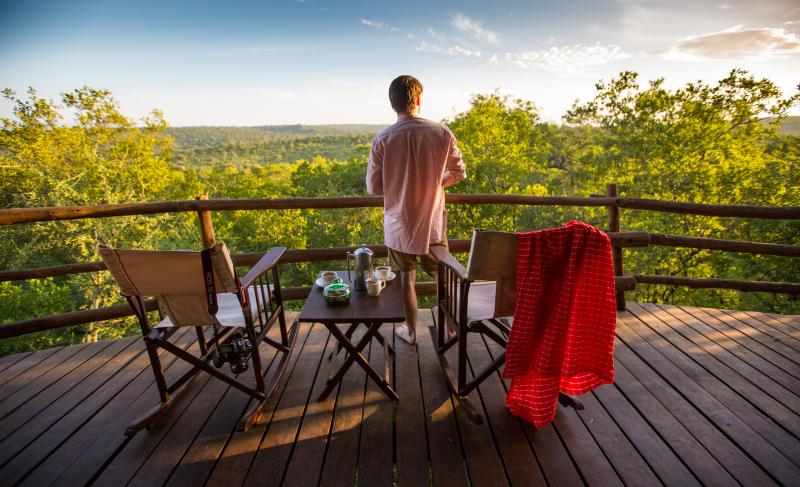
There's a moment - usually on your second or third game drive in the Serengeti - when you stop reaching for your camera and just sit with it. A lion pride resting in golden afternoon light. A herd of elephants moving silently through the dust. Nobody else around. That's the Tanzania experience we design for.
But getting to that moment requires a well-built itinerary. Not just a list of parks, but a sequenced, thoughtful journey through one of the most ecologically extraordinary countries on earth. Tanzania has more national park land than almost anywhere in Africa, which means the choices can be overwhelming - and the wrong itinerary can mean rushing between parks, missing key wildlife windows, or landing in the wrong place at the wrong time.
This guide breaks down exactly how to structure a luxury Tanzania safari - which parks to include, how long to spend in each, when to go, and what to look for on the ground. It's built from years of running safaris across the Northern Circuit, learning what genuinely moves people, and understanding what separates a good trip from one people talk about for the rest of their lives.
Why Tanzania Is the Premier Luxury Safari Destination
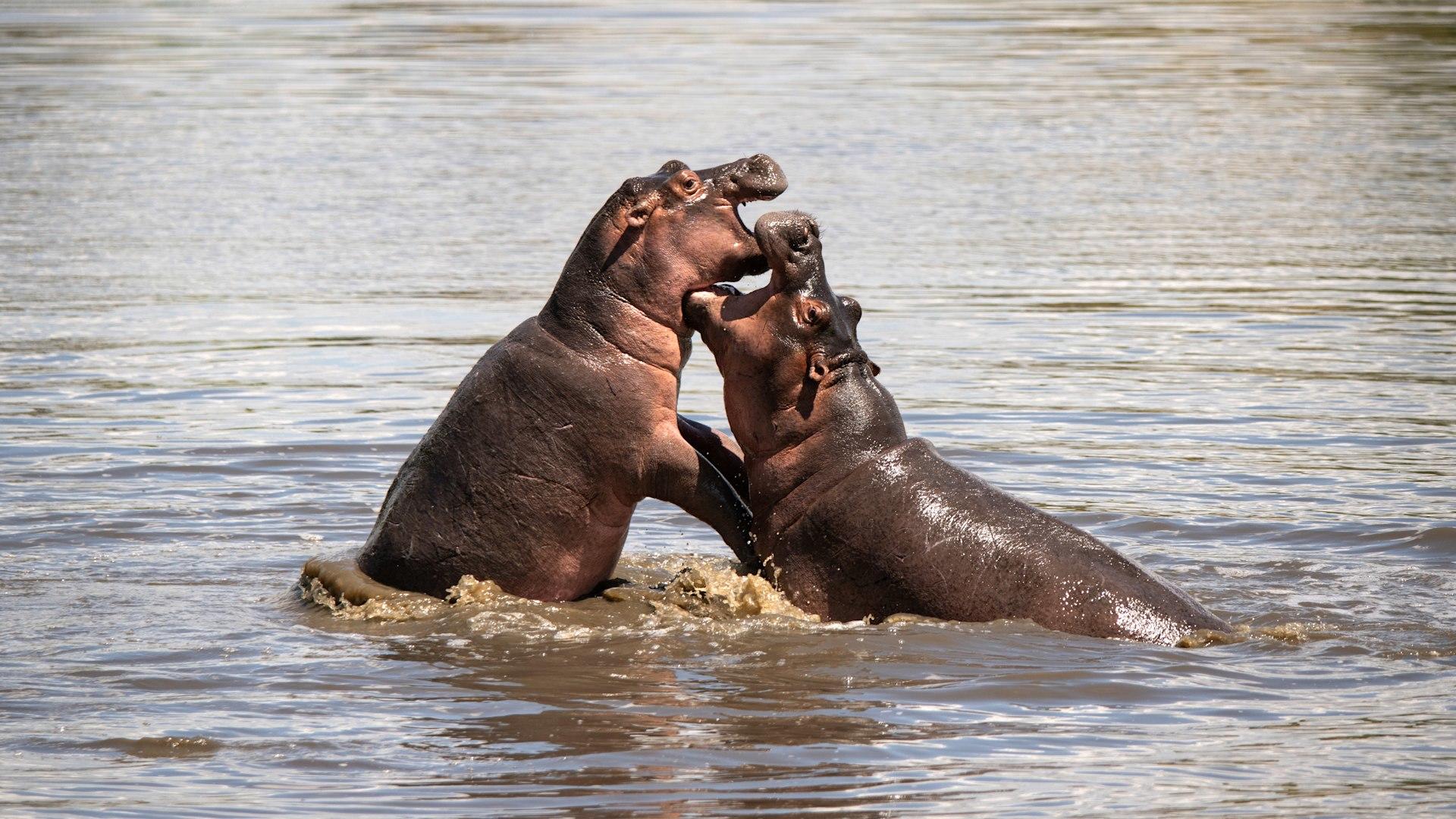 Tanzania holds a rare combination that luxury travelers consistently rate above other African destinations: diversity of landscape, density of wildlife, and a relatively well-managed tourism infrastructure that still feels wild. The Serengeti ecosystem alone covers roughly 30,000 square kilometers. Ngorongoro Crater is the world's largest intact volcanic caldera and one of the densest concentrations of wildlife on earth. Tarangire has the largest elephant population in northern Tanzania.
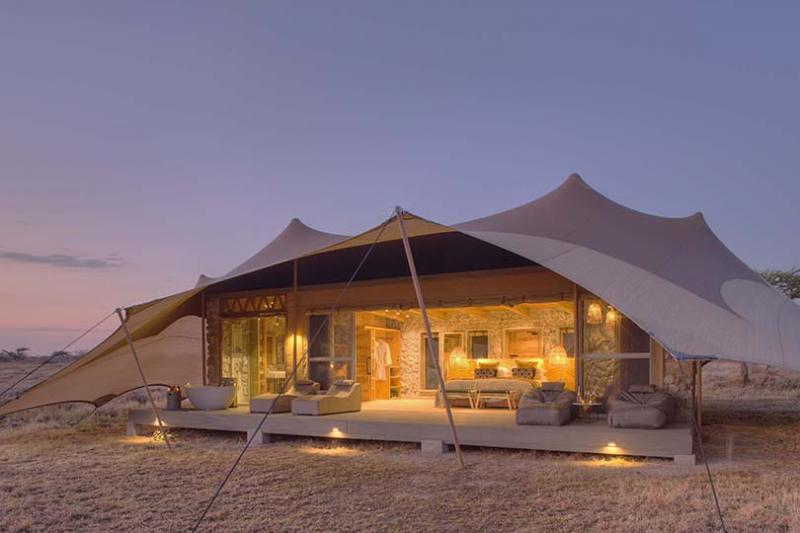
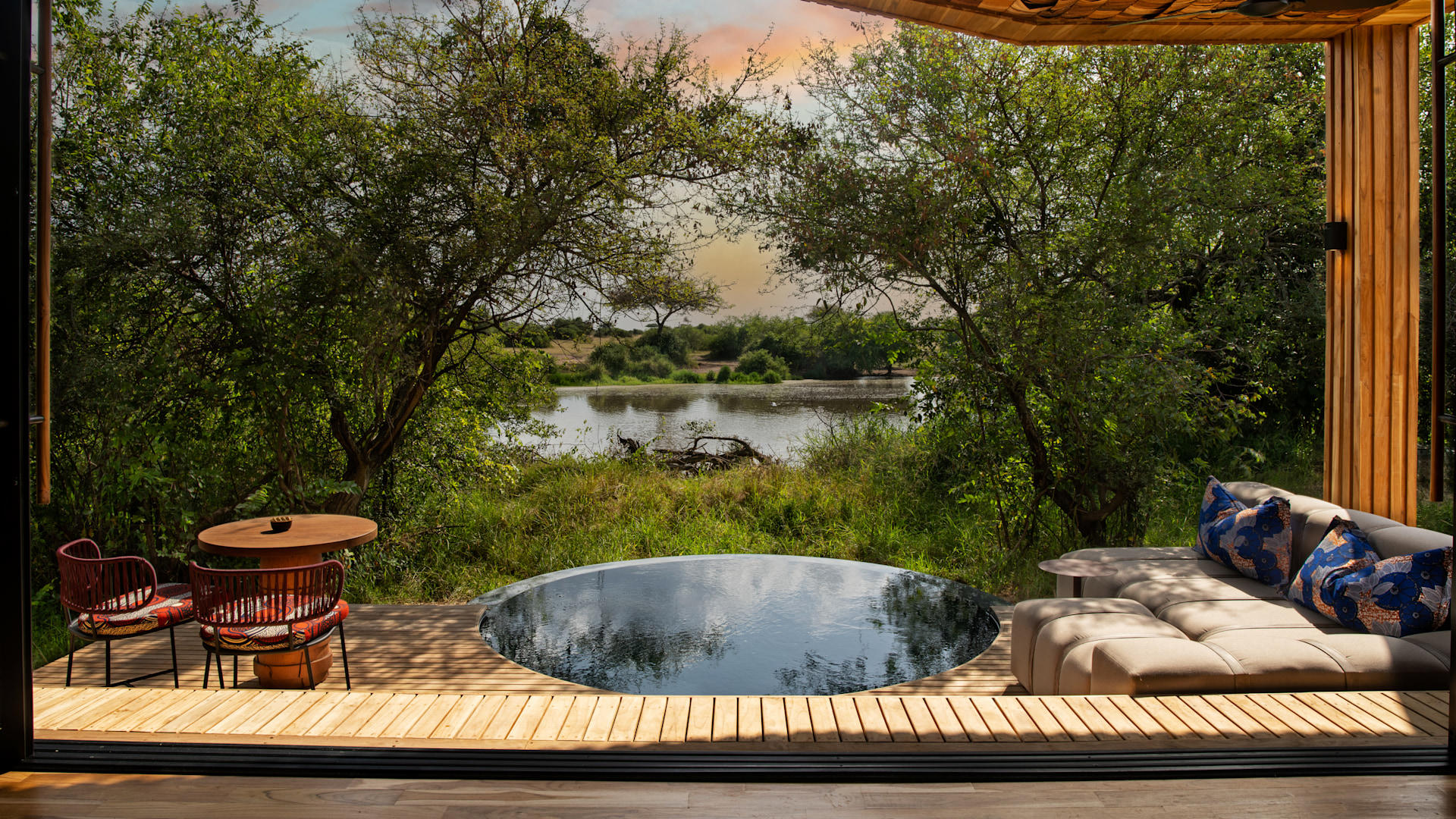
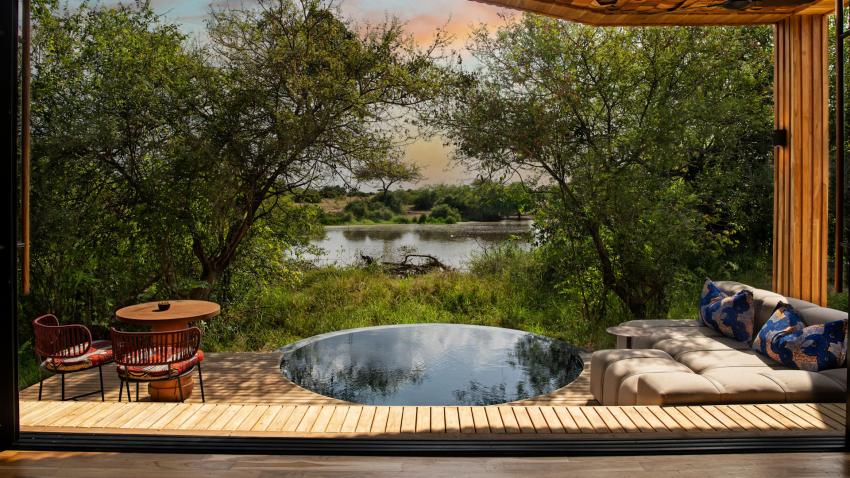
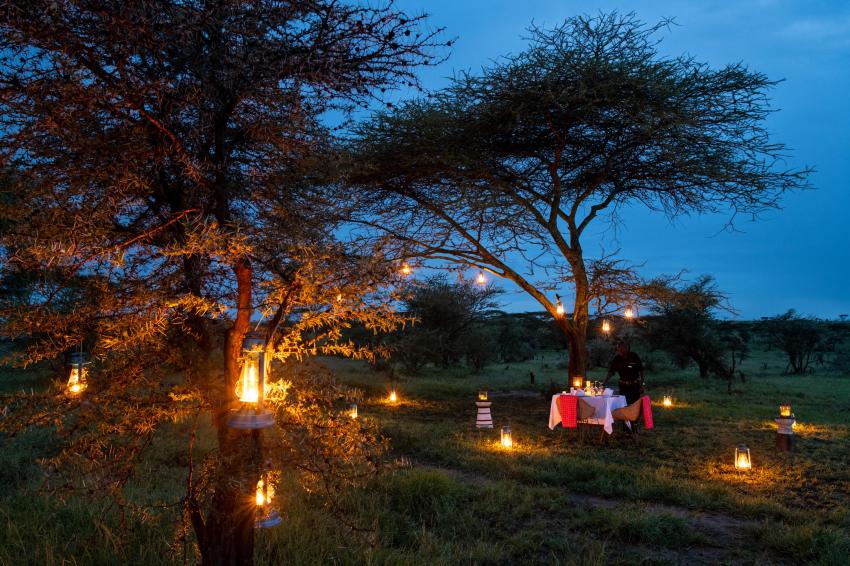
What makes Tanzania luxury-ready specifically is the standard of permanent tented camps and lodges that have taken root here over the last decade. These aren't just comfortable - they're architectural, immersive, and staffed by people who understand hospitality at the highest level. You can end a morning drive, shower under an open sky, and eat a three-course lunch served on a deck overlooking a waterhole. That combination - raw wilderness and genuine comfort - is harder to find than most people think.
Tanzania also benefits from exceptional guiding culture. Guides here are trained through the College of African Wildlife Management at Mweka, and the best independent guides accumulate years of reading the bush across multiple ecosystems. The difference between a good guide and a great one in the Serengeti is the difference between seeing a cheetah and watching it hunt.
How Long Should Your Tanzania Safari Be?
For luxury travelers doing Tanzania's Northern Circuit properly, 10 to 12 days is the sweet spot. Less than 8 days and you're rushing; more than 14 without adding Zanzibar or a second circuit risks feeling repetitive.
The Northern Circuit - Tarangire, Ngorongoro, and the Serengeti - is Tanzania's most iconic route and, for first-timers especially, the right foundation. If you're weighing up the full circuit against a shorter trip, our one-week Tanzania safari itinerary is worth reading alongside this guide. A well-designed 10-day version gives you time to settle into each location, do early morning and late afternoon game drives (the two best windows), and actually absorb the landscape rather than check boxes.
The Best Luxury Tanzania Safari Itinerary: 10 Days
Days 1-2: Arrive in Arusha - The Safari Gateway
Arusha is where your safari begins. Most international flights connect through Kilimanjaro International Airport (JRO) or arrive via Dar es Salaam and connect to Kilimanjaro. Flying directly into JRO saves a day and energy.
For luxury arrivals, we always recommend one night at a property on the outskirts of Arusha - not to sightsee, but to decompress, do a proper safari briefing, and sort kit before the bush. Properties like Arusha Coffee Lodge or Ngare Sero Mountain Lodge offer the kind of quiet elegance that sets the right tone without wasting time.
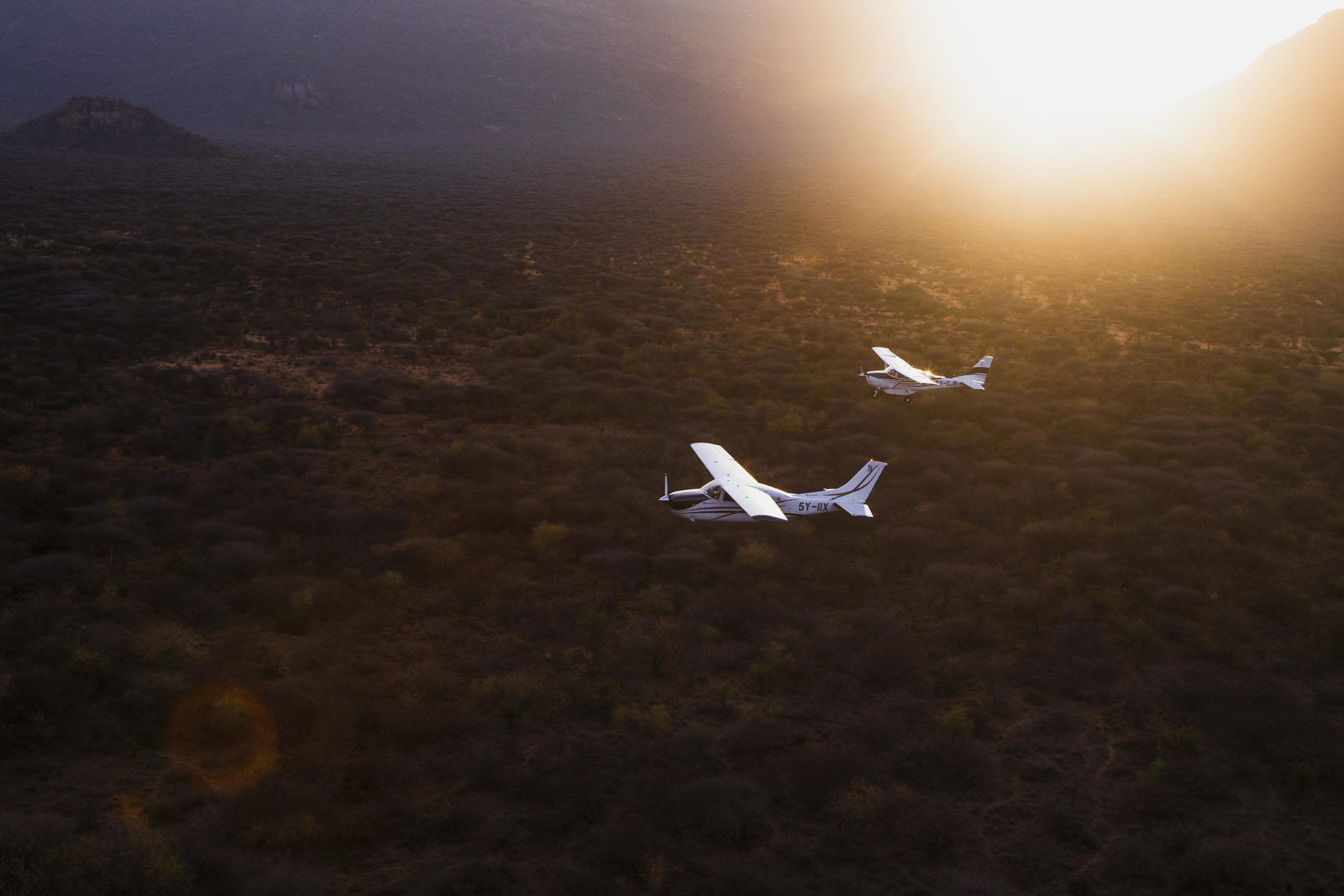
Day two is typically your transfer day: either a private charter flight (45 minutes) or a scenic road drive into your first park. For luxury clients, charter flights are strongly recommended - they remove road fatigue, offer aerial views of the rift valley and Kilimanjaro on clear days, and simply preserve energy for what matters.
What most people don't realize: A good arrival briefing with your guide in Arusha changes everything. An hour spent talking through the specific camps, wildlife patterns, and seasonal context of what you're about to see means you arrive at each park already oriented - not learning on the fly.
Days 3-4: Tarangire National Park - The Underrated Giant
Tarangire is where we like to begin itineraries, and it's consistently underestimated by travelers who default to starting in the Serengeti. In the dry season (June to October), the Tarangire River acts as a magnet for wildlife - elephants, in particular, gather here in concentrations that dwarf what you'll see almost anywhere else in Africa. We're talking herds of 200 or more moving through riverine forest. Multi-generational family groups. Matriarchs older than most guests' parents.
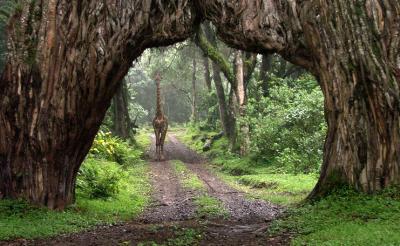
The landscape is defined by ancient baobab trees, and the birdlife is extraordinary - over 550 species recorded, including migratory visitors that arrive between November and April. For guests who've been on safari before and "seen the big five," Tarangire reframes what depth of wildlife experience actually means.
Two nights here is enough to do two full game drives plus an early morning bush walk (available from several luxury camps and highly recommended). Camps like Sanctuary Swala or Tarangire Treetops offer exceptional experiences in terms of both positioning and service.
Days 5-6: Ngorongoro Crater - A World Unto Itself
The descent into Ngorongoro Crater is one of the most striking game-drive transitions anywhere in the world. You drive down a steep forest track, emerge from the tree line, and suddenly a 260-square-kilometer bowl of grassland, wetland, and acacia woodland opens up beneath you - and every inch of it contains wildlife.
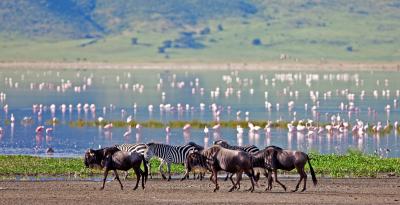
The crater holds an estimated 25,000 large animals within its walls, including the highest density of lions in Africa and one of the best places to find black rhino in Tanzania - a genuinely rare and emotional encounter. The flamingo-covered soda lake in the center, the elephant bulls that come and go (family groups mostly avoid the crater floor), and the Maasai cattle that graze the rim all add layers of texture that pure-wilderness parks can't match.
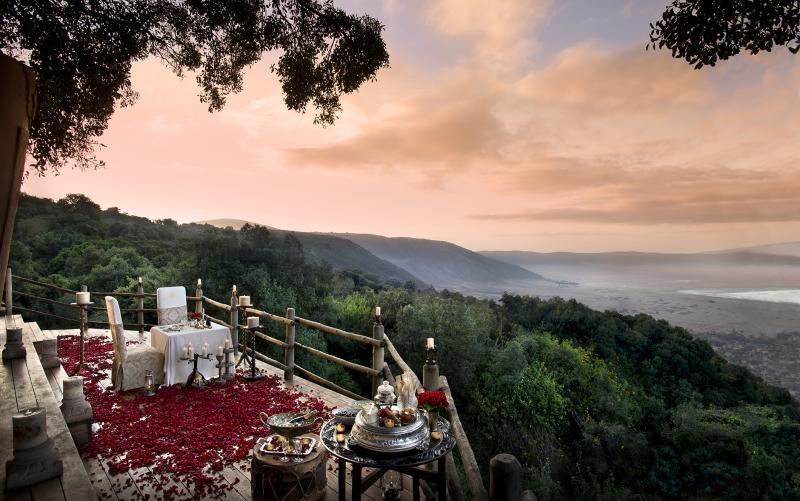
Logistically, all crater descents are done as day trips from lodges on the rim. Properties on the crater rim - Ngorongoro Crater Lodge in particular - offer spectacular views, but the inside-crater experience is day-access only, which keeps it from becoming overcrowded while also creating a daily rhythm of early descent, full day on the floor, and late-afternoon ascent.
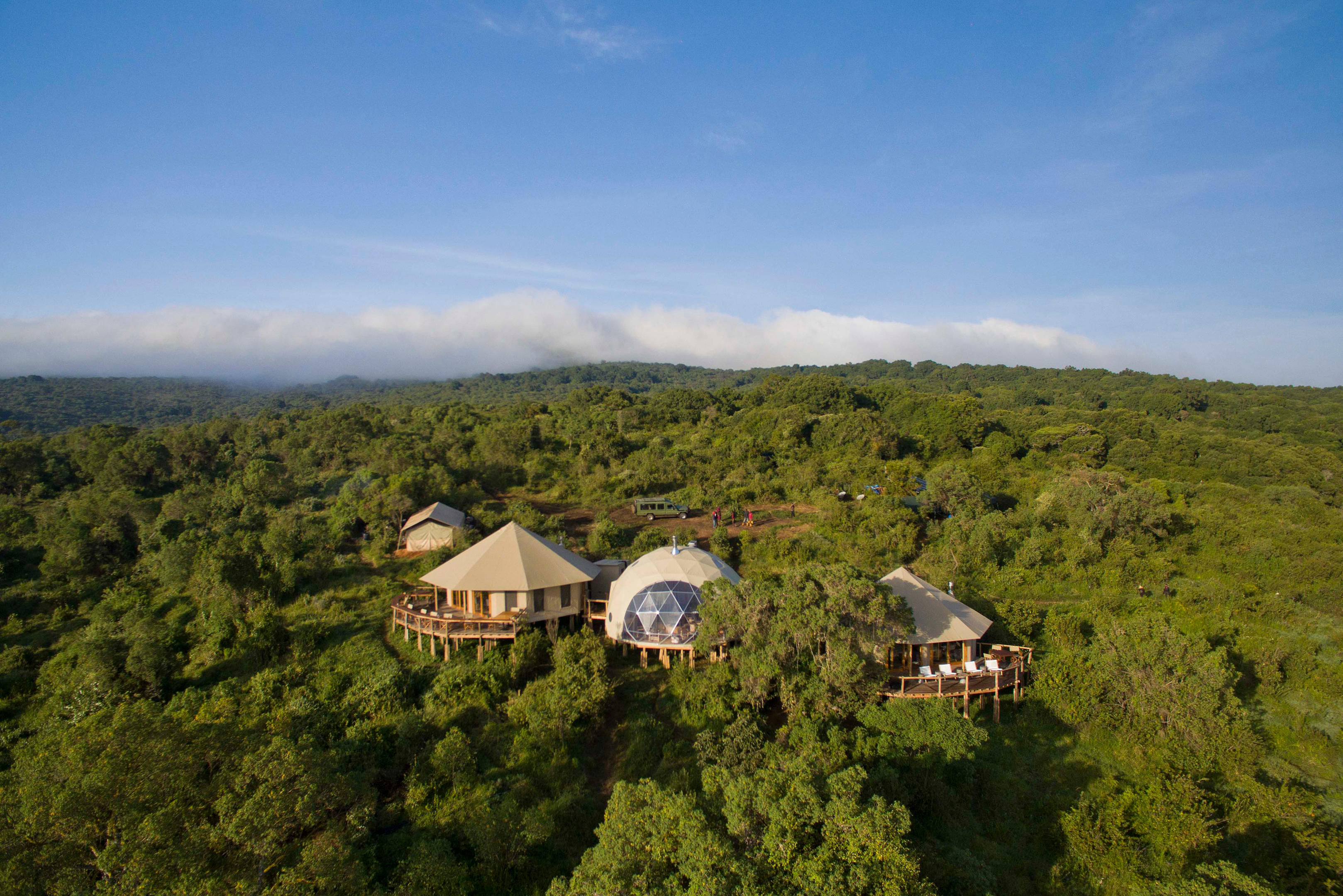
Two nights allows two full crater days, which is the right amount - one to orient yourself, one to be selective and patient.
Days 7-9: Central Serengeti - The Heart of It All
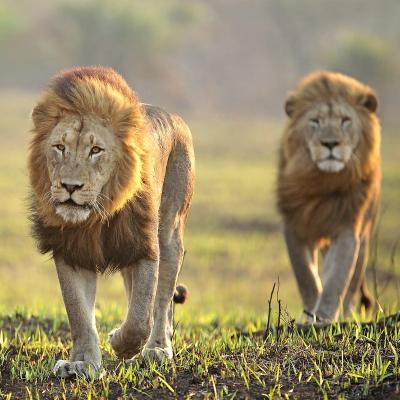
This is the centerpiece of most Tanzania safaris, and rightly so. The Central Serengeti - the area around Seronera - offers the most year-round wildlife density in the park. The Seronera River Valley is famous for its resident leopard population; these cats are habituated to vehicles in a way that allows for genuinely prolonged, up-close sightings. Cheetah are regularly seen on the open plains. Lion prides with cubs in tow spend mornings near permanent water.
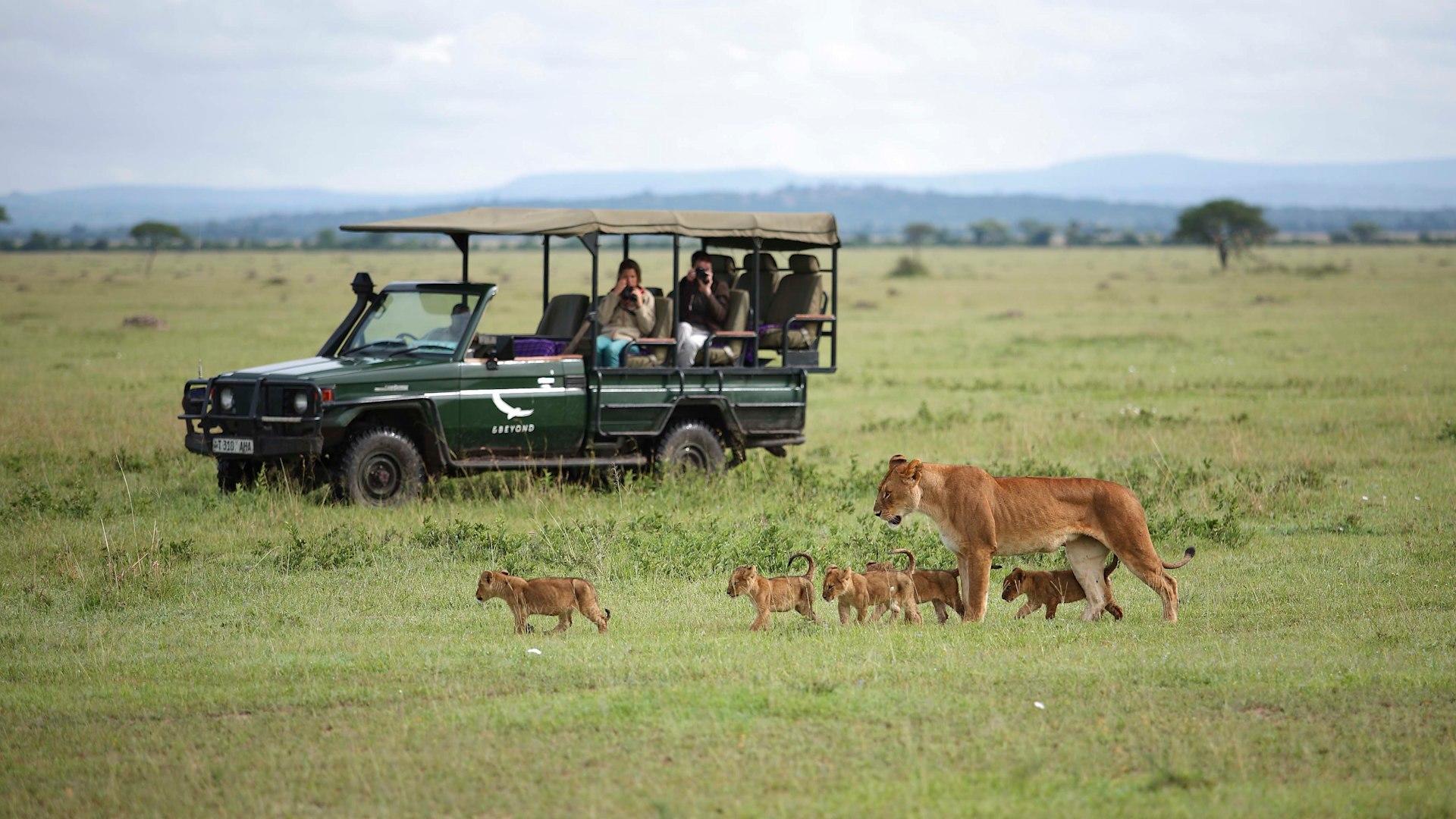
Three nights here is the minimum for luxury clients. The luxury camps in the central zone - like Four Seasons Safari Lodge, Singita Grumeti (when budget allows), or &Beyond Klein's Camp (for those preferring northern access) - vary in style from contemporary to traditional, but the best share one thing: exceptional guiding teams who know specific animals by name and track their movements daily. For a deeper dive on navigating this ecosystem, read our guide on how to plan a safari in the Serengeti.
The evening light in the Serengeti is something photographers wait their whole careers for - wide, flat golden plains that catch the last hour of sun in a way that feels almost staged.
Wildlife insider note: What guests often don't expect is the sheer variety of predator sightings in the Serengeti beyond lion. We regularly see wild dog packs cutting through the long grass, serval cats hunting rodents at dawn, and - less often but memorably - honey badger and pangolin on night drives (where available).
Days 10-11: Northern Serengeti - Migration Country (Seasonal)
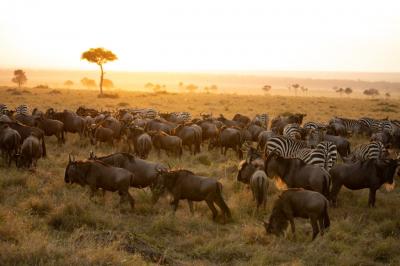
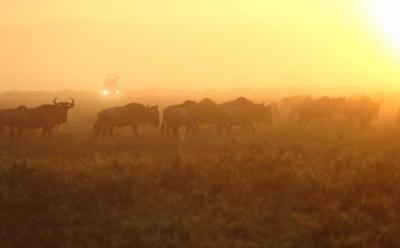
If your travel dates align with July through October, extending into the Northern Serengeti near the Mara River is a non-negotiable addition. This is where the Great Migration crosses from Tanzania into Kenya's Masai Mara - a movement of 1.5 million wildebeest and hundreds of thousands of zebra. The Mara River crossings, where wildebeest plunge into crocodile-filled water in mass stampedes, are among the most raw wildlife spectacles on the planet.
Properties like Namiri Plains, Lamai Serengeti, or Sayari Camp position you optimally for crossing sightings, with guides who communicate in real time across the ecosystem to find active crossing points.
If you're traveling outside migration season, this extension can be replaced with time in the Western Corridor (February to May) or reallocated to Zanzibar for a beach landing - 3 nights in Stone Town and on Pemba or Zanzibar's north coast is a perfect close to any safari. See our Serengeti to Zanzibar safari for a ready-built version of this combination.
Day 12: Departure
Final morning game drive from your Serengeti camp before transferring by charter to Kilimanjaro or Arusha for international connections. Allow a full afternoon buffer before any overnight flights - never cut a final game drive short for a plane.
Luxury Accommodation: What to Look For
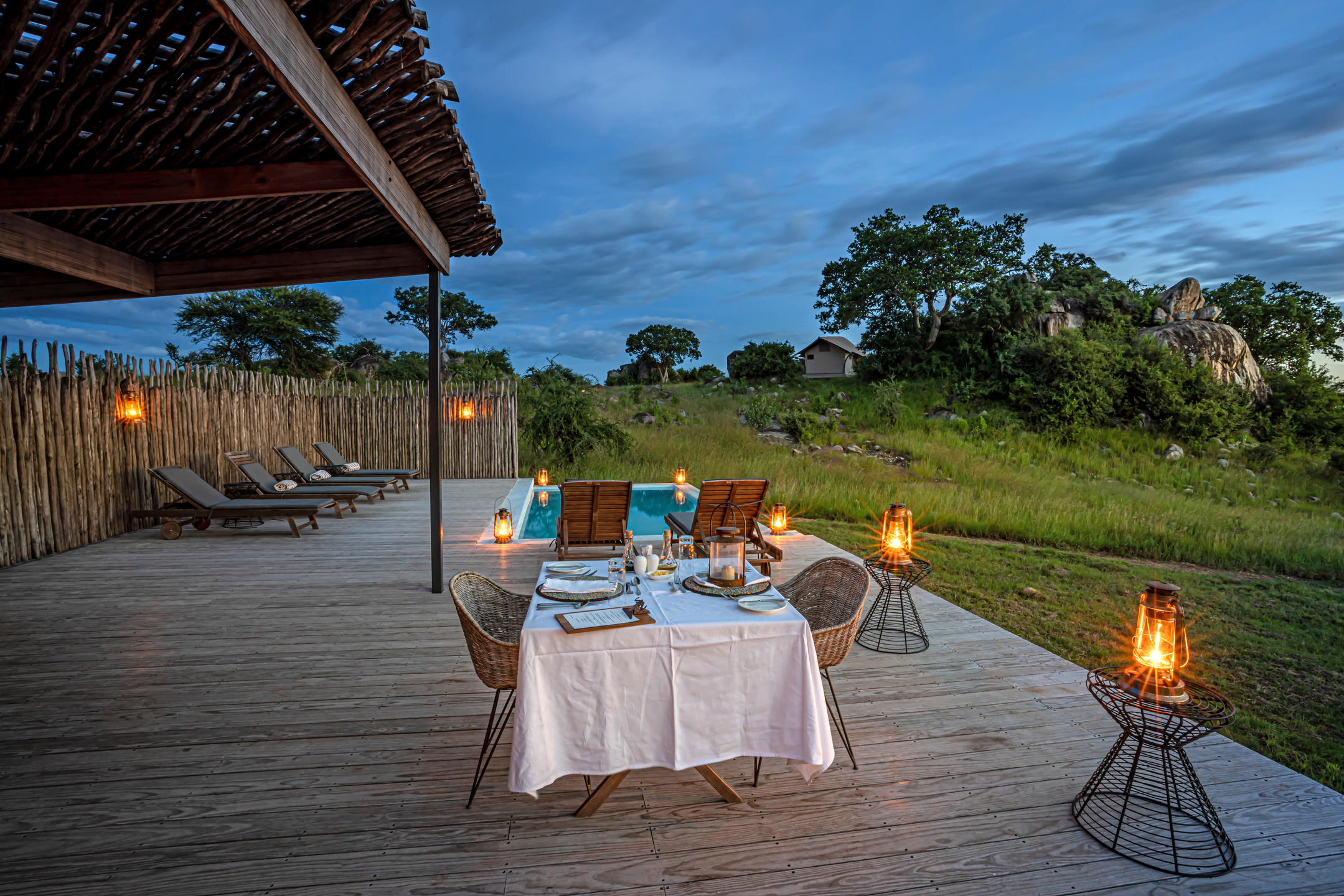
Across the Northern Circuit, the camps that consistently deliver for luxury travelers share a few non-negotiable qualities: positioning within or directly adjacent to the park (no long drives from camp to wildlife), guiding teams with multiple years in that specific ecosystem, and a camp-to-guest ratio that allows for flexible private game drive schedules.
The best camps also have strong conservation and community connections - this isn't just a feel-good addition. Camps embedded in the local ecosystem tend to have better wildlife sightings, more knowledgeable guides, and deeper relationships with the land they sit on.
When to Go: A Practical Breakdown
| Month |
Best For |
Notes |
| Jan-Feb |
Calving season, Ndutu plains |
Southern Serengeti; newborn wildebeest, predator action |
| Mar-May |
Green season, fewer crowds |
Lower rates; lush scenery; long rains in April-May |
| Jun-Jul |
Migration north begins |
Excellent general wildlife; migration builds |
| Aug-Oct |
Mara River crossings |
Peak migration; book 12+ months ahead |
| Nov-Dec |
Short rains; quiet |
Good birding; landscape transforms; competitive rates |
Practical Logistics for Luxury Travelers
Getting there: Most routes connect through Amsterdam (KLM), Doha (Qatar), or Nairobi (Kenya Airways) into Kilimanjaro International. Ethiopian Airlines via Addis Ababa is a cost-efficient option with solid connections.
In-country transport: Private charter flights between parks (Cessna 208s and similar) are the luxury standard. Costs average $300-$600 per person per sector and are worth every dollar in time saved and experience quality.
Visas: East Africa Tourist Visa ($100, available on arrival or online) covers Tanzania, Kenya, and Uganda - useful for multi-country itineraries.
Health: Malaria prophylaxis recommended; consult your travel health clinic. Yellow fever certificate required if arriving from an endemic country.
Final Recommendation
The best Tanzania safari itinerary isn't about seeing the most parks - it's about giving each location enough time to reveal itself. The travelers who leave most changed are rarely the ones who moved fastest. They're the ones who stayed long enough in the Serengeti to watch a pride's afternoon unfold, who sat at the Ngorongoro rim at dawn before the first descent, who let the silence of Tarangire settle around them.
Tanzania rewards patience and planning in equal measure. Get both right, and there's nothing quite like it on earth.
Ready to start planning your Tanzania safari? Get in touch with the Vencha Travel team for a personalised luxury itinerary built around your travel dates, interests, and budget. We've been running safaris across Tanzania for over 10 years - and we know what makes the difference.
Explore Our Tanzania Safari Packages
Plan Your Luxury Tanzania Safari
Frequently Asked Questions
How much does a luxury Tanzania safari cost?
Luxury Tanzania safaris typically range from $800 to $2,500+ per person per night, all-inclusive of accommodation, meals, game drives, and park fees. A 10-day luxury itinerary typically ranges from $10,000-$20,000 per person. For a full breakdown, see our Tanzania luxury safari guide.
What is the best time of year for a Tanzania safari?
Tanzania offers excellent wildlife viewing year-round. June to October is peak season for the Great Migration. Read our full guide on when to catch the Serengeti migration for a month-by-month breakdown.
How many days do you need for a Tanzania safari?
For a complete Northern Circuit experience, 10 to 12 days is ideal. This allows two nights each in Tarangire, Ngorongoro, and the Serengeti - enough time to settle into each ecosystem without rushing.
Is Tanzania safe for luxury travelers?
Tanzania is one of the most politically stable countries in East Africa. The main safari areas are safe, well-managed, and regularly visited by international luxury travelers. Vencha Travel provides comprehensive pre-trip briefings and on-the-ground support throughout your journey.
Should I combine Tanzania with Zanzibar?
For most luxury travelers, yes. Three to four nights in Zanzibar creates a perfect contrast to the bush. Browse our Tanzania and Zanzibar luxury safari packages to see how we build this combination.
What's the difference between staying inside the park versus outside?
Camps inside the Serengeti or Tarangire boundaries allow for game drives at any hour and often have wildlife passing through camp. Outside-park lodges require driving in and out through park gates, restricting your flexibility.


 Accomodation