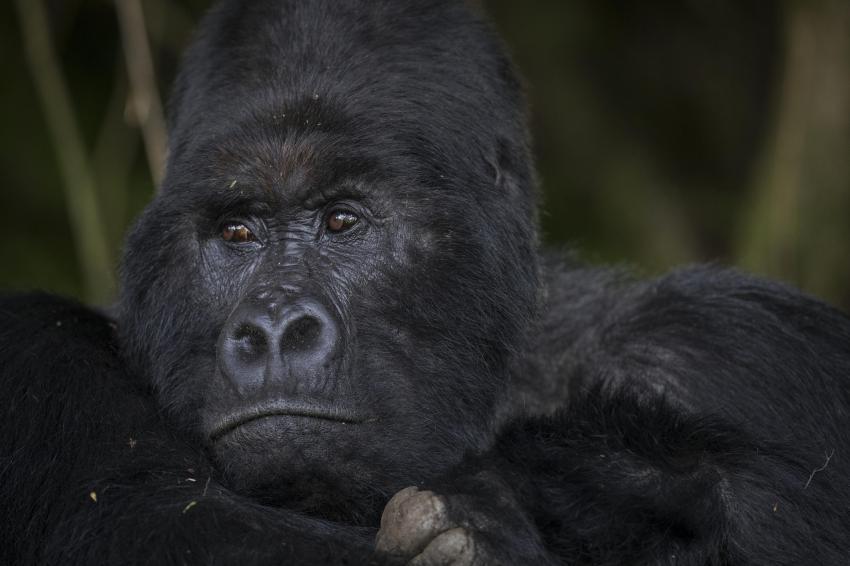
Standing in a tangle of ancient vines as a silverback gorilla locks eyes with you from ten feet away is the kind of moment that recalibrates what you thought travel could be. Bwindi Impenetrable Forest gorilla trekking delivers exactly that, putting you face to face with roughly half of the world's surviving mountain gorillas inside one of Africa's oldest rainforests. After more than a decade arranging East Africa safaris, I can tell you that few experiences reward careful planning as richly as this one. This guide walks you through the four trekking sectors, the permit process, what a trek day actually feels like, and how fit you genuinely need to be.
Why Bwindi Impenetrable Forest Gorilla Trekking Stands Apart
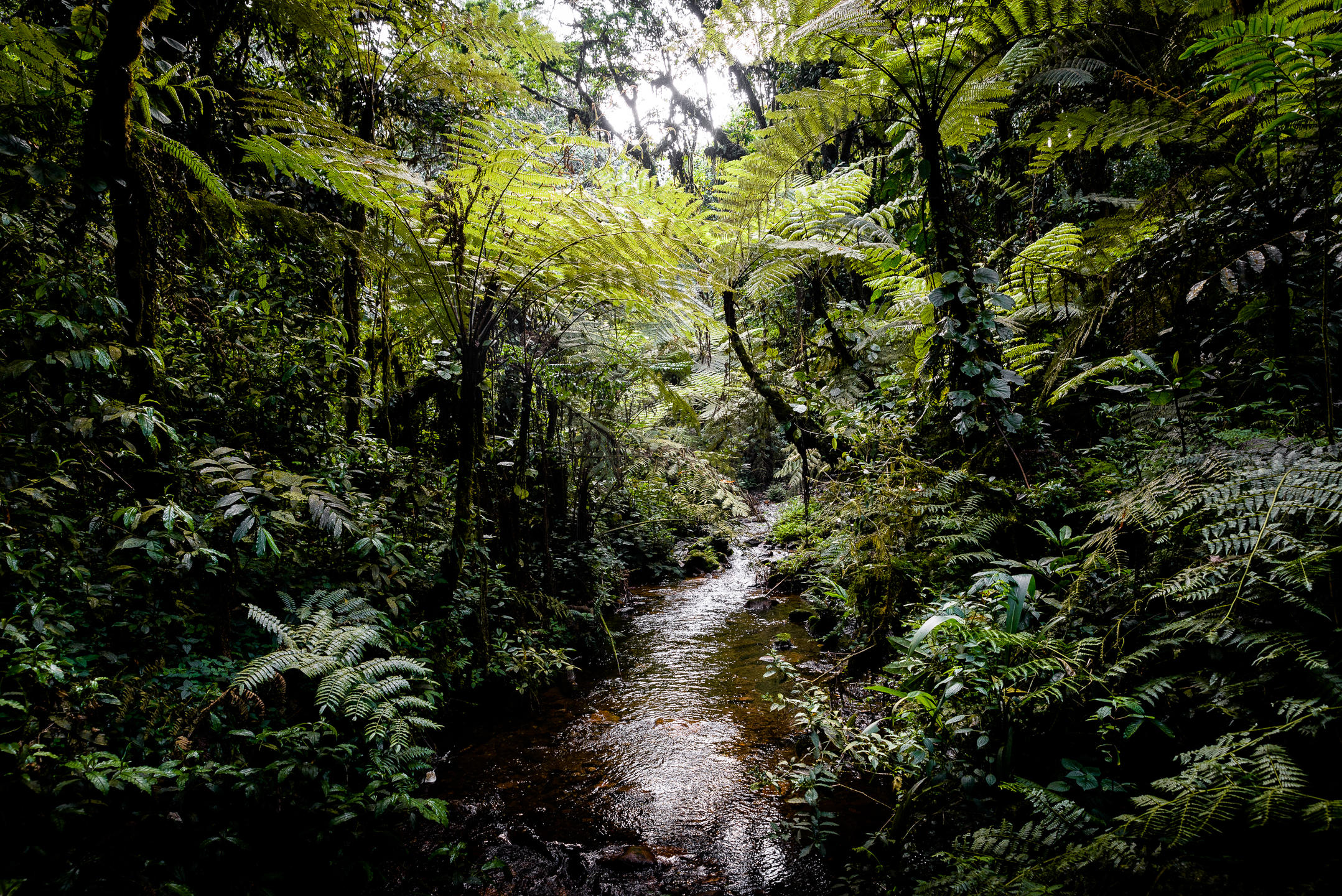
Bwindi is a UNESCO World Heritage Site in southwestern Uganda, draped across steep ridges between 1,160 and 2,607 metres. The forest is more than 25,000 years old, which is why its biodiversity is so dense: over 120 mammal species, 350 bird species, and around 460 mountain gorillas spread across more than 20 habituated families. Unlike the more open volcanic slopes of Rwanda, Bwindi is genuinely impenetrable in places, a thick weave of undergrowth that gives the trek its wild, immersive character. If you are weighing your options between countries, our detailed comparison of gorilla trekking in Uganda vs Rwanda breaks down cost, terrain, and the overall feel of each.
The Four Sectors of Bwindi Forest
Bwindi is divided into four trekking sectors, each with its own gorilla families, trailheads, and personality. Choosing the right one shapes your entire trip, because the sectors sit hours apart by road and pair with different lodges. Understanding the sectors of Bwindi forest is the single most useful piece of planning you can do.
Buhoma (North)
Buhoma is the original trekking sector and the most established, opened to tourism in 1993. It sits in the north and offers the widest choice of accommodation, from budget rest camps to high-end lodges, plus a community walk and cultural experiences on rest days. The terrain here is varied rather than punishing, which makes Buhoma a sensible choice for first-time trekkers who still want a true forest setting. Families such as Mubare and Rushegura are tracked from here.
Ruhija (East)
Ruhija is the highest sector, perched around 2,350 metres, and the coolest. It is quieter and less developed than Buhoma, which appeals to travellers who want fewer people on the trail. Treks here can be demanding because of the altitude and the long ridge walks, but the cloud-forest scenery and the chance of seeing the rare African green broadbill make it a favourite among return visitors and birders. The Bitukura and Oruzogo families are based here.
Rushaga (South)
Rushaga, in the south, has the largest number of habituated gorilla families of any sector, which means more permits are released here daily and a higher chance of securing one in peak season. Crucially, Rushaga is the only place in Bwindi offering the gorilla habituation experience, where a small group spends up to four hours with a family still being accustomed to humans, rather than the standard one hour. It is the right sector for serious enthusiasts willing to work harder for deeper access.
Nkuringo (Southwest)
Nkuringo is widely regarded as the most physically challenging sector. The trailhead sits high on a ridge and the gorillas often range in the valleys below, so treks frequently begin with a steep descent and end with a punishing climb back up. The reward is dramatic scenery and a genuine sense of remoteness. Nkuringo suits fit, experienced hikers, and many lodges here arrange porters as a matter of course.
Bwindi Gorilla Permits: How Booking Works
 Every trekker needs a permit, and Bwindi gorilla permits are issued by the Uganda Wildlife Authority. As of 2026 a permit for foreign non-residents costs 800 US dollars, foreign residents pay 700 dollars, and East African citizens pay 300,000 Ugandan shillings. The fee covers park entry, a guide, trackers, and one hour with the gorillas once the family is located. The habituation experience in Rushaga is priced higher, at 1,500 dollars, for the extended four-hour encounter.
Permits are strictly limited: each gorilla family is visited by only eight people per day, so demand far outstrips supply during the dry seasons of June to September and December to February. I strongly recommend booking three to six months ahead for those windows. The practical booking process runs like this. First, decide your travel dates and your preferred sector, because permits are tied to a specific sector and date. Second, confirm availability through the Uganda Wildlife Authority or, far more simply, through a licensed operator who holds an allocation and can secure the permit on your behalf. Third, pay to lock the permit, which is non-refundable but transferable within limits. Booking through an operator also means your permit, lodge, and transfers are aligned into one itinerary, which matters when sectors are hours apart on rough roads. For a full breakdown of what you will spend beyond the permit itself, see our guide to gorilla trekking cost.
A Typical Trek Day in Bwindi
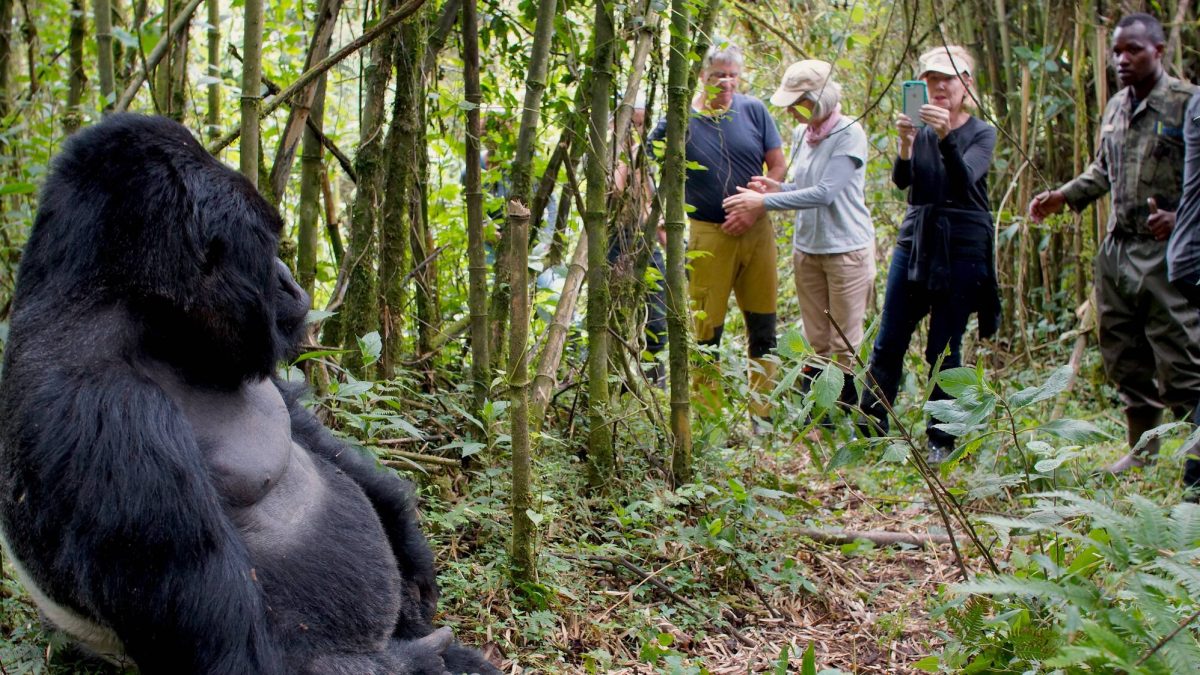 Your day starts early. Most lodges serve breakfast around 6am so you can reach the sector headquarters for the mandatory briefing at 7:30am. Rangers divide visitors into groups of eight and assign each group a gorilla family based on fitness and the family's last known location. The briefing covers the rules: stay seven metres from the gorillas, no flash photography, no eating near them, and turn away if you need to cough or sneeze.
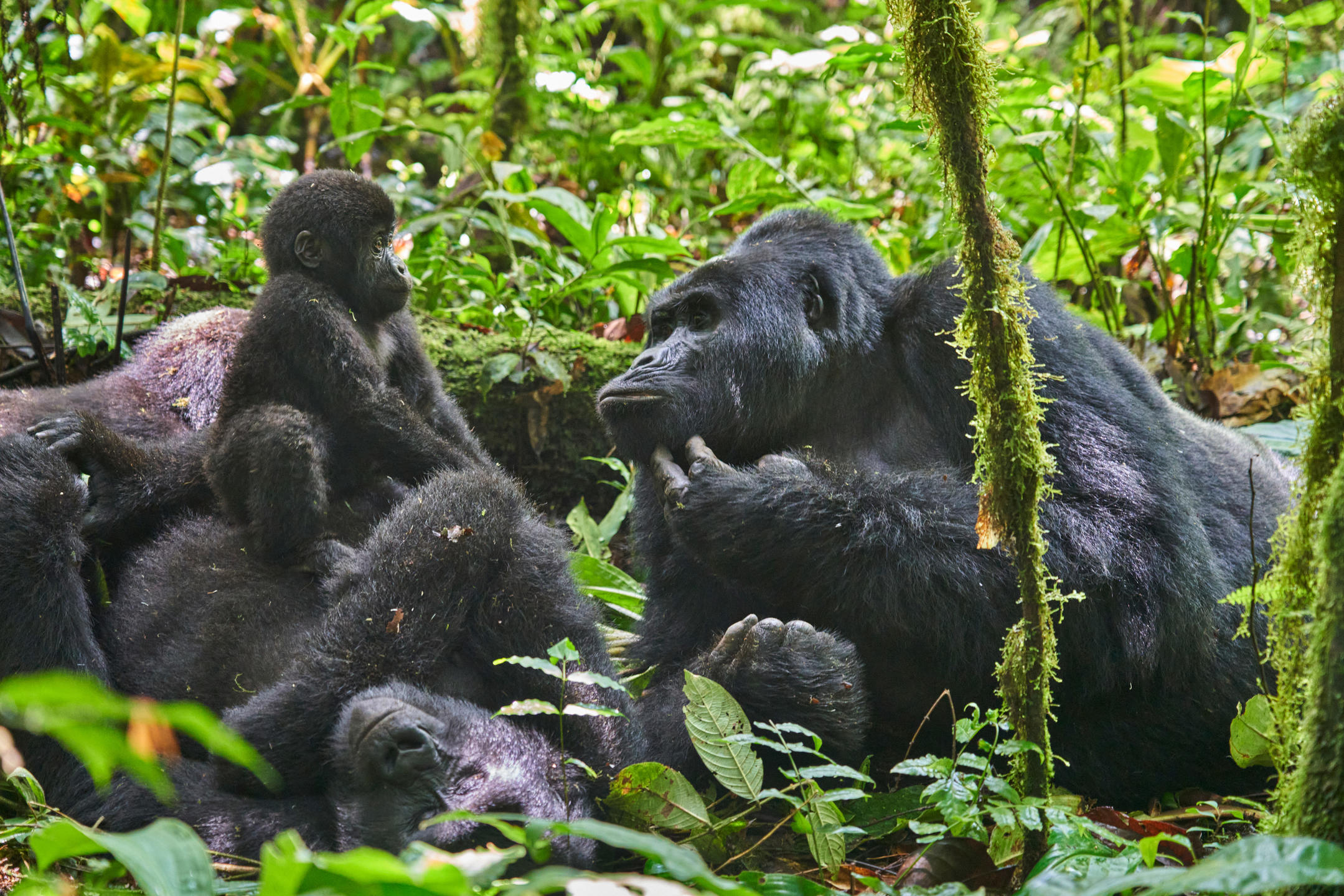
Then the trek begins. Advance trackers set out at dawn to locate the family, radioing their position back to your guide. Depending on where the gorillas spent the night, the hike to reach them can take anywhere from 30 minutes to six hours through steep, muddy, vine-choked terrain. When you finally reach the family, the clock starts: you get one magical hour with them. Infants tumble through the foliage, juveniles wrestle, and the silverback presides over it all with unhurried authority. The hour passes faster than you can believe. Afterwards you trek back out, usually reaching the lodge by mid-afternoon, tired, filthy, and quietly transformed. Hiring a porter for around 15 to 20 dollars is money well spent: they carry your daypack, offer a steadying hand on slick descents, and your fee supports the local community directly.
How Fit Do You Really Need to Be?
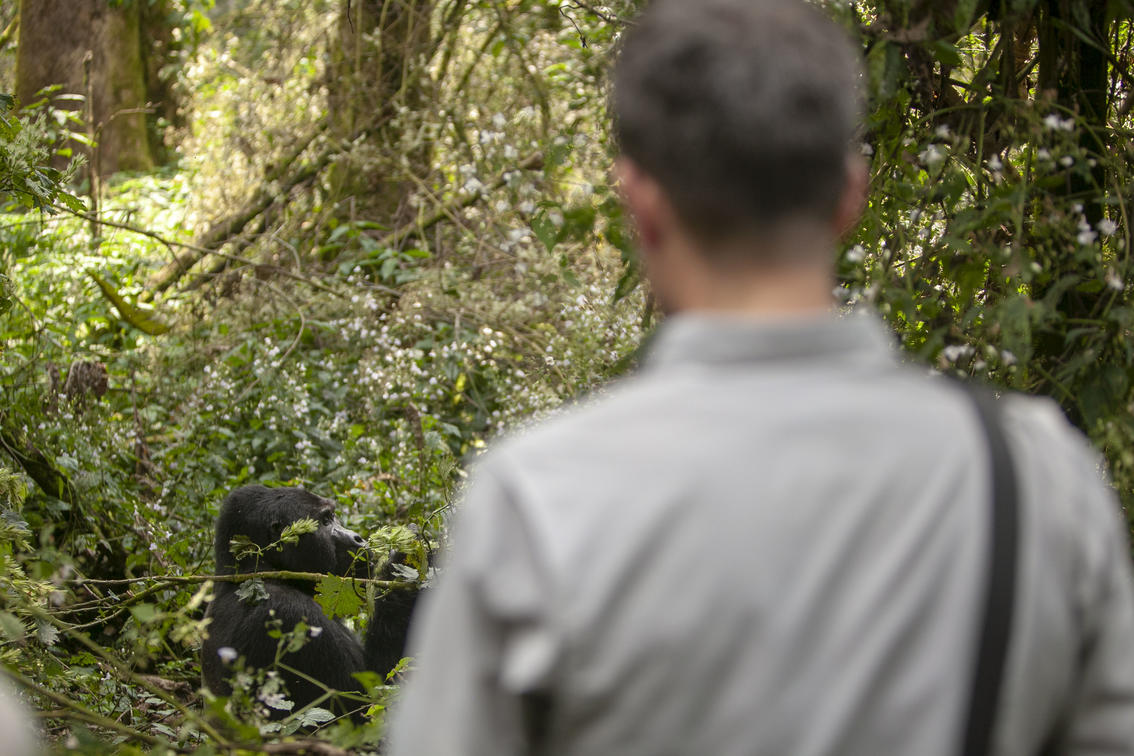 Let me be honest, because misjudging this ruins trips. Bwindi is not a casual stroll. The terrain is steep, the altitude saps you, and the heat and humidity are real. That said, you do not need to be an athlete. If you can walk for several hours over uneven ground with rest breaks, you can complete most treks, especially in Buhoma. The harder sectors, Nkuringo above all, demand genuine hill fitness. Tell your operator honestly about your fitness and any knee or heart concerns, because rangers can assign you to a closer family if you ask in advance. Trekking poles, broken-in waterproof boots, and a reasonable level of cardio preparation in the months before you travel make an enormous difference. Porters are available everywhere and I recommend one regardless of your fitness.
Bwindi Lodges: Where to Stay
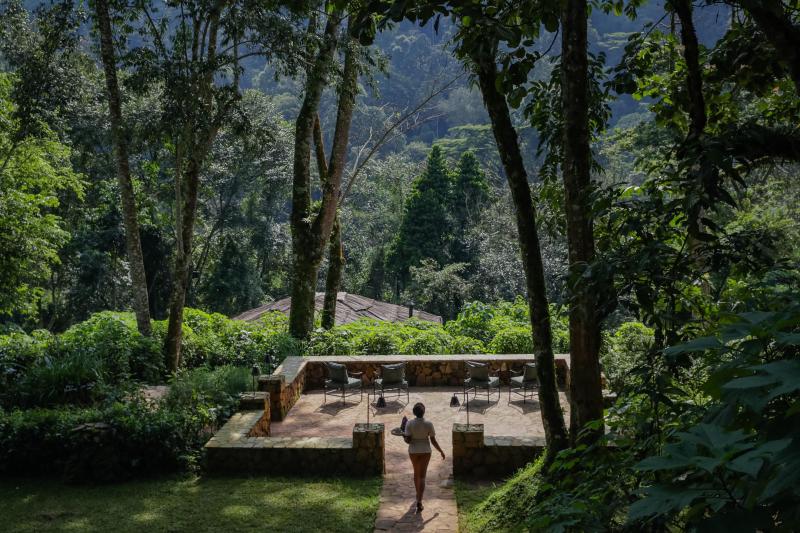
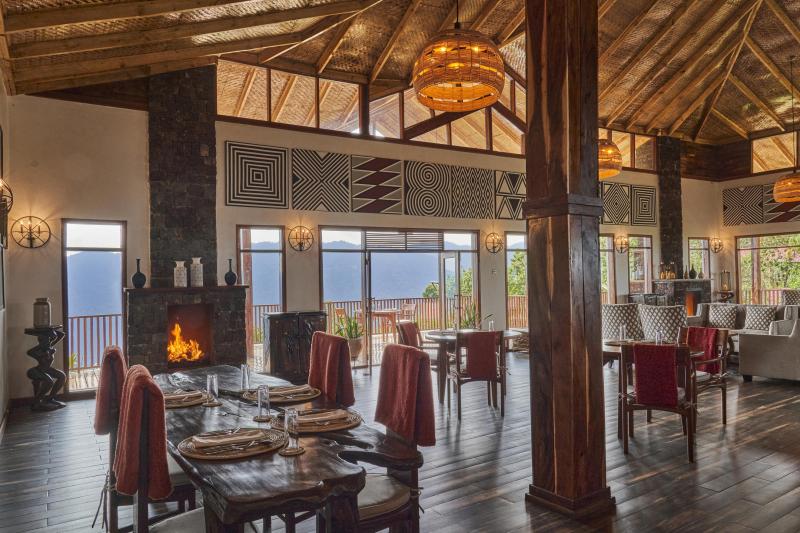
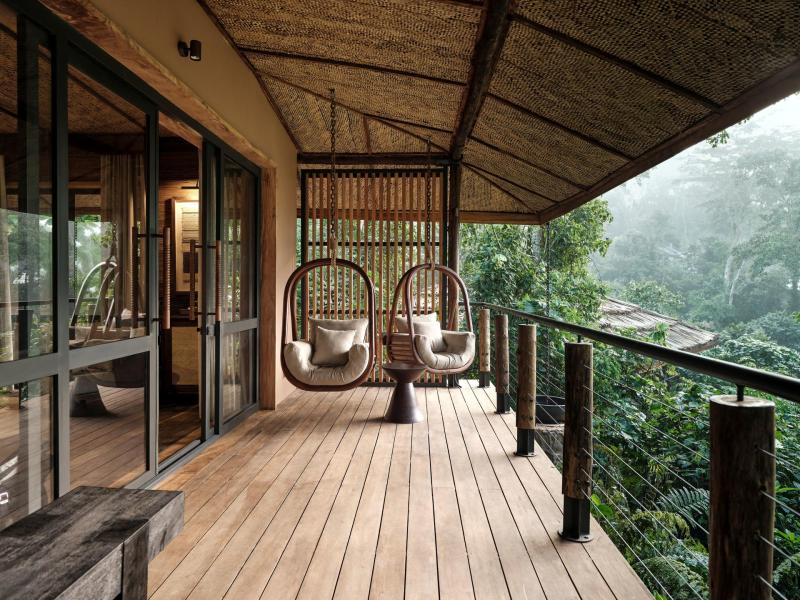
Because the sectors are spread around the forest's edge, your choice of Bwindi lodges should follow your permit sector, not the other way around. In Buhoma you will find the broadest range, from Buhoma Lodge and Mahogany Springs to the luxurious Bwindi Lodge overlooking the forest. Ruhija has a smaller, more intimate cluster including Bakiga Lodge and Gorilla Mist Camp. Rushaga and Nkuringo in the south are served by properties such as Clouds Mountain Gorilla Lodge, Nkuringo Bwindi Gorilla Lodge, and several mid-range camps. Book a lodge in the same sector as your permit so you are not facing a pre-dawn transfer on mountain roads before an already demanding trek.
Getting to Bwindi
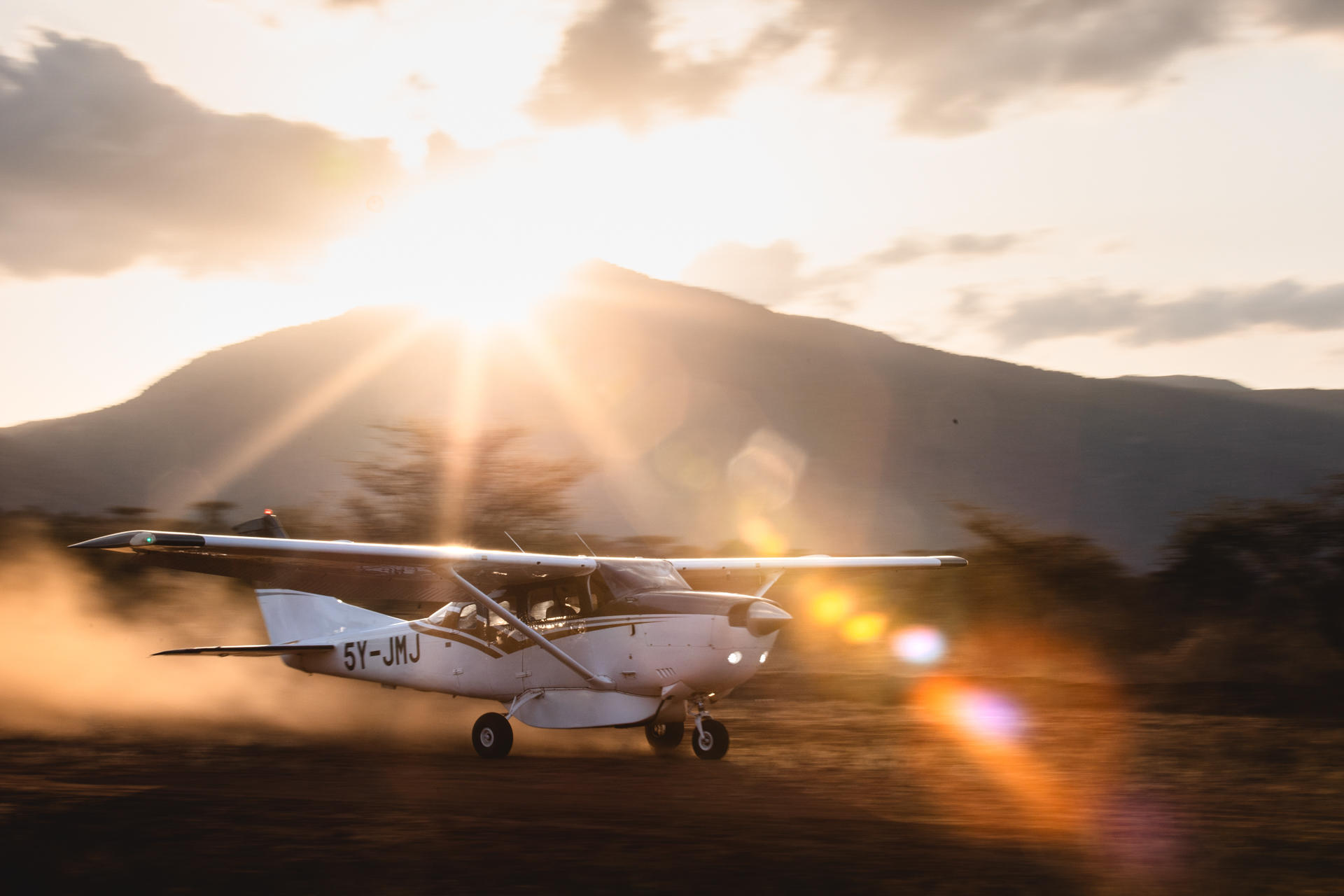 Bwindi sits in a remote corner of southwestern Uganda, and reaching it is part of the adventure. Most travellers fly into Entebbe International Airport near Kampala, then choose between two routes. The overland drive is long, eight to ten hours depending on your sector, but it threads through the rolling terraced hills of southern Uganda, past the Equator marker, and along the edge of Lake Bunyonyi, so many travellers turn the journey into a scenic two-day road trip with an overnight stop. The faster option is a scheduled or charter flight from Entebbe or Kajjansi to one of the airstrips at Kihihi (for Buhoma and Ruhija) or Kisoro (for Rushaga and Nkuringo), followed by a one to two hour transfer to your lodge. Flying saves the better part of a day and arrives you fresh for the trek, which matters given how demanding the hike can be. Bwindi also pairs beautifully with Queen Elizabeth National Park to the north or with Rwanda's Volcanoes National Park to the south, and we routinely build multi-park itineraries that string these together efficiently.
Conservation and Your Permit Fee
It is worth understanding where your money goes, because it reframes the cost. Mountain gorillas were once on the brink, with fewer than 250 individuals in the late 1980s. Today the global population has climbed past 1,000, the only great ape whose numbers are rising, and that recovery is funded largely by trekking permits. A share of every permit goes directly to community projects around Bwindi, giving local people a tangible stake in protecting the forest rather than clearing it. When you trek responsibly, keep your distance, and hire a local porter, you are not just observing conservation, you are paying for it. That is the quiet logic behind the strict rules and the limited daily numbers: scarcity protects the very animals you have come to see.
When to Go and What to Pack
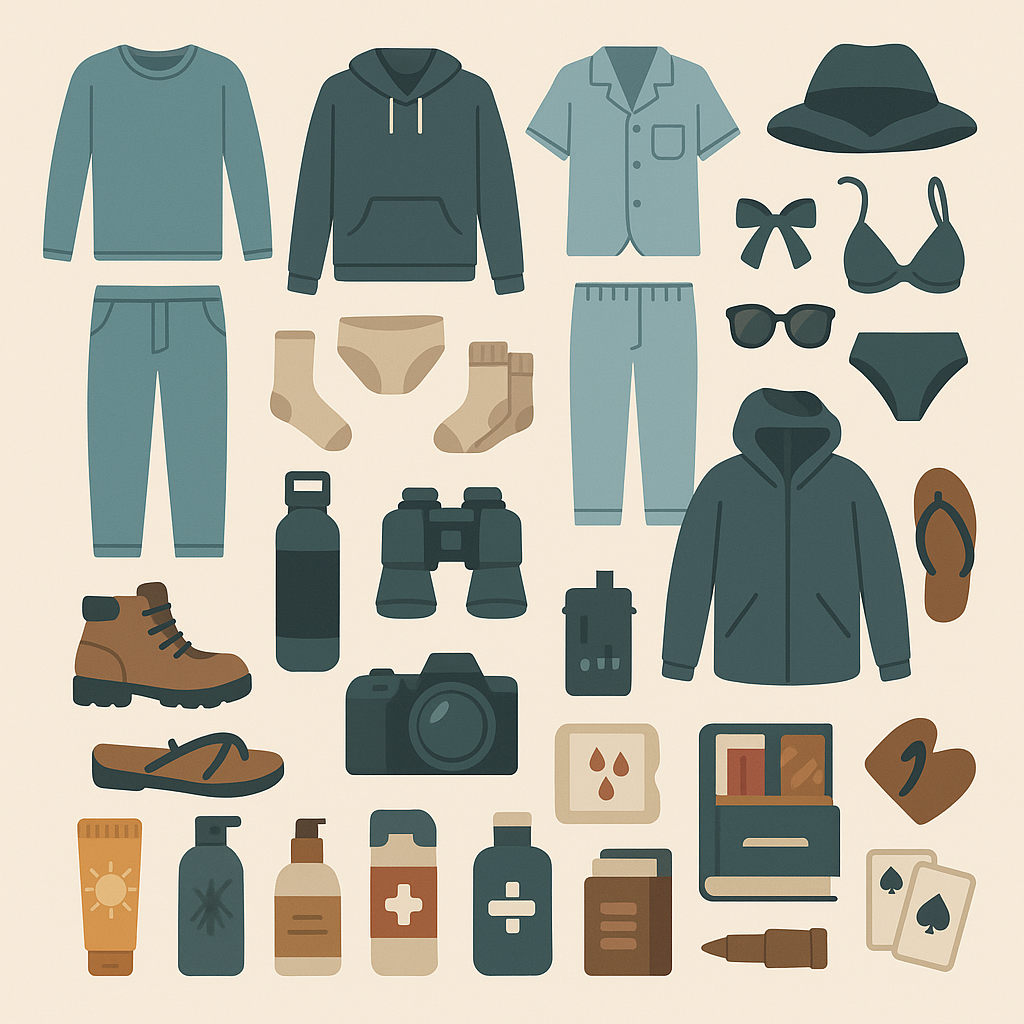
Bwindi is trekkable year round, but the drier months of June to September and December to February offer firmer trails and easier conditions, which is why permits sell out fastest then. The wetter months of March to May and October to November bring lush scenery, fewer crowds, and occasional permit availability at shorter notice, at the cost of muddier, slipperier trails. Pack long trousers and long sleeves to guard against nettles and insects, waterproof hiking boots, gaiters, a rain jacket regardless of season, gardening gloves for gripping vegetation, insect repellent, and a daypack with at least two litres of water. A good camera with a zoom lens beats a phone for the encounter.
Frequently Asked Questions
How much does a Bwindi gorilla permit cost in 2026?
A standard permit for foreign non-residents is 800 US dollars, foreign residents pay 700 dollars, and East African citizens pay 300,000 Ugandan shillings. The extended habituation experience in Rushaga costs 1,500 dollars.
How long is the gorilla trek in Bwindi?
The hike to find a gorilla family takes anywhere from 30 minutes to six hours each way, depending on the family's location and your sector. Once you reach them, you spend one hour with the gorillas, or up to four hours on the habituation experience.
What is the best sector in Bwindi for gorilla trekking?
Buhoma is best for first-timers thanks to varied terrain and the widest lodge choice. Rushaga offers the most families and the habituation experience, while Nkuringo and Ruhija suit fitter trekkers wanting fewer crowds.
Is gorilla trekking in Bwindi safe?
Yes. Treks are led by armed rangers and experienced trackers, the gorillas are habituated to human presence, and strict distance and health rules protect both visitors and gorillas. The main risks are slips on steep, muddy terrain, which good boots and a porter mitigate.
Can beginners do gorilla trekking in Bwindi?
Yes, provided they have reasonable walking fitness. Beginners should request a closer gorilla family at the briefing, hire a porter, and choose the Buhoma sector for the gentlest introduction.
Plan Your Bwindi Gorilla Trek with Vencha Travel
A trek into Bwindi rewards travellers who plan with care, and that is exactly where we come in. Vencha Travel secures your permit in the right sector, matches you with a lodge that suits your fitness and budget, and handles every transfer so all you have to do is show up and trek. With permits limited to eight people per gorilla family each day, the best dates and sectors disappear months ahead, so the time to act is now. Explore our Uganda gorilla safari packages and submit an inquiry today, and let our East Africa specialists build the gorilla trekking trip you will be telling stories about for years.
Help Me Plan


 Travel Article
 Accomodation