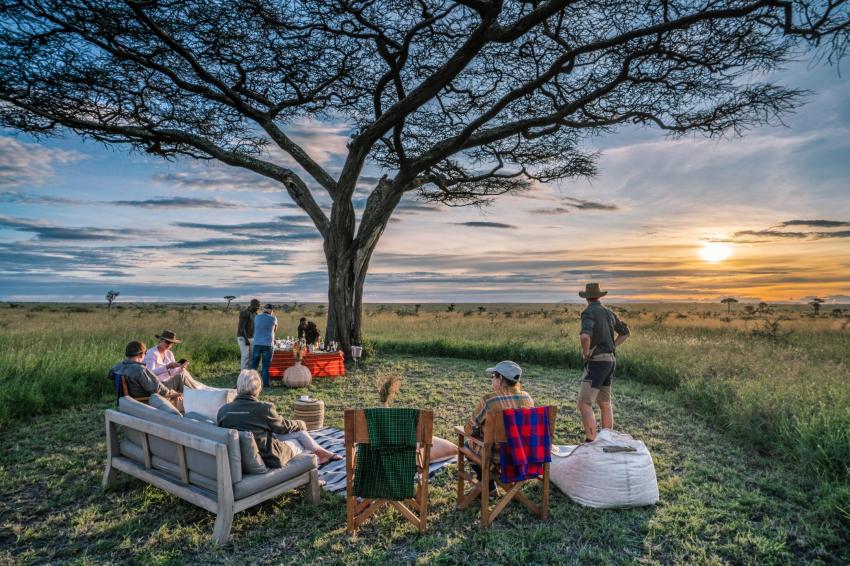
A Tanzania safari and Zanzibar itinerary is the trip most travellers picture when they imagine Africa: dust-streaked game drives across the Serengeti in the morning, then warm Indian Ocean swims under palm shade a week later. After more than a decade arranging this exact route for our clients, we have refined it into a 14-day rhythm that gives you the wildlife of the northern circuit and the recovery of an island without rushing either half. This day-by-day plan covers the safari (Tarangire, Serengeti and Ngorongoro), the flights and logistics that link the two, and the practical costs so you can judge what a trip like this actually involves.
The structure matters. Safari days start early and involve hours in a vehicle on rough roads, so we always place the bush first while your energy is high, then end on Zanzibar where the only decision is which beach to walk. Reversing the order leaves people unwilling to swap the pool for 5am game drives. Below is the itinerary we book most often, with the reasoning behind each choice.
Why a Tanzania Safari and Zanzibar Itinerary Works in 2 Weeks
Two weeks is the sweet spot. Eight or nine days on the northern safari circuit lets you see Tarangire, the Serengeti and the Ngorongoro Crater at a sane pace, with time for the Great Migration if your dates align. Five days on Zanzibar is enough to decompress, dive or snorkel, and explore Stone Town without the trip feeling like a layover. Anything shorter forces you to drop a park or cut the beach to two nights, which is the most common regret we hear from travellers who booked elsewhere. A safari and beach holiday in Africa is fundamentally about contrast, and 14 days gives both halves room to breathe.
Days 1-3: Arrival and Tarangire National Park
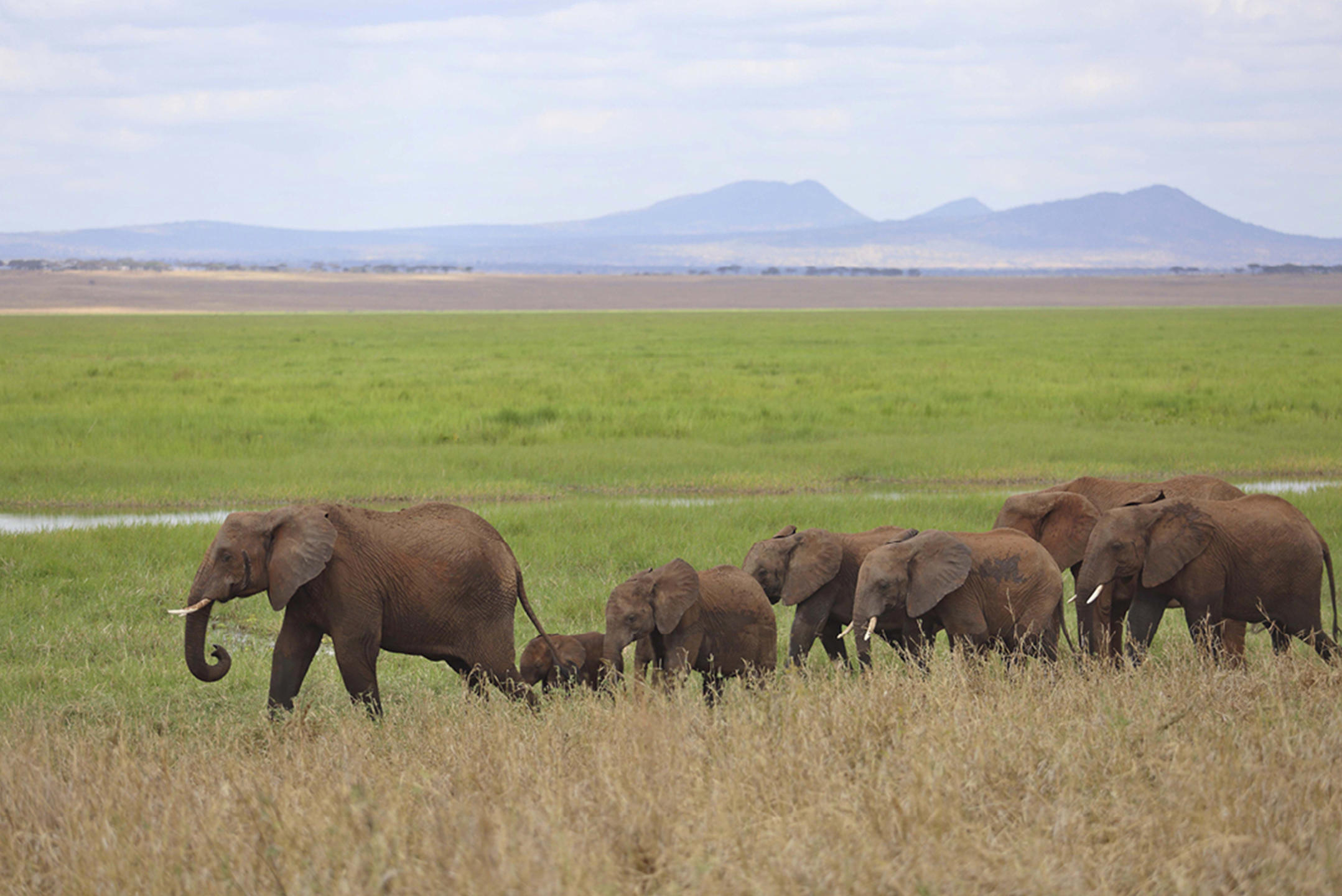 You land at Kilimanjaro International Airport (JRO), the gateway to the northern circuit. We arrange a transfer to a lodge near Arusha for your first night so you arrive rested rather than driving straight into a park half-asleep. On Day 2 you head to Tarangire National Park, roughly two hours south. Tarangire is the park most itineraries skip and the one our guides love most: it holds the largest elephant herds in northern Tanzania, often 200-strong around the Tarangire River in the dry season, plus the ancient baobabs that give the landscape its character. Day 3 is a full day of game driving here before you move on. Starting with Tarangire eases you into safari rhythm in a park that is quieter than the Serengeti.
Days 4-7: The Serengeti
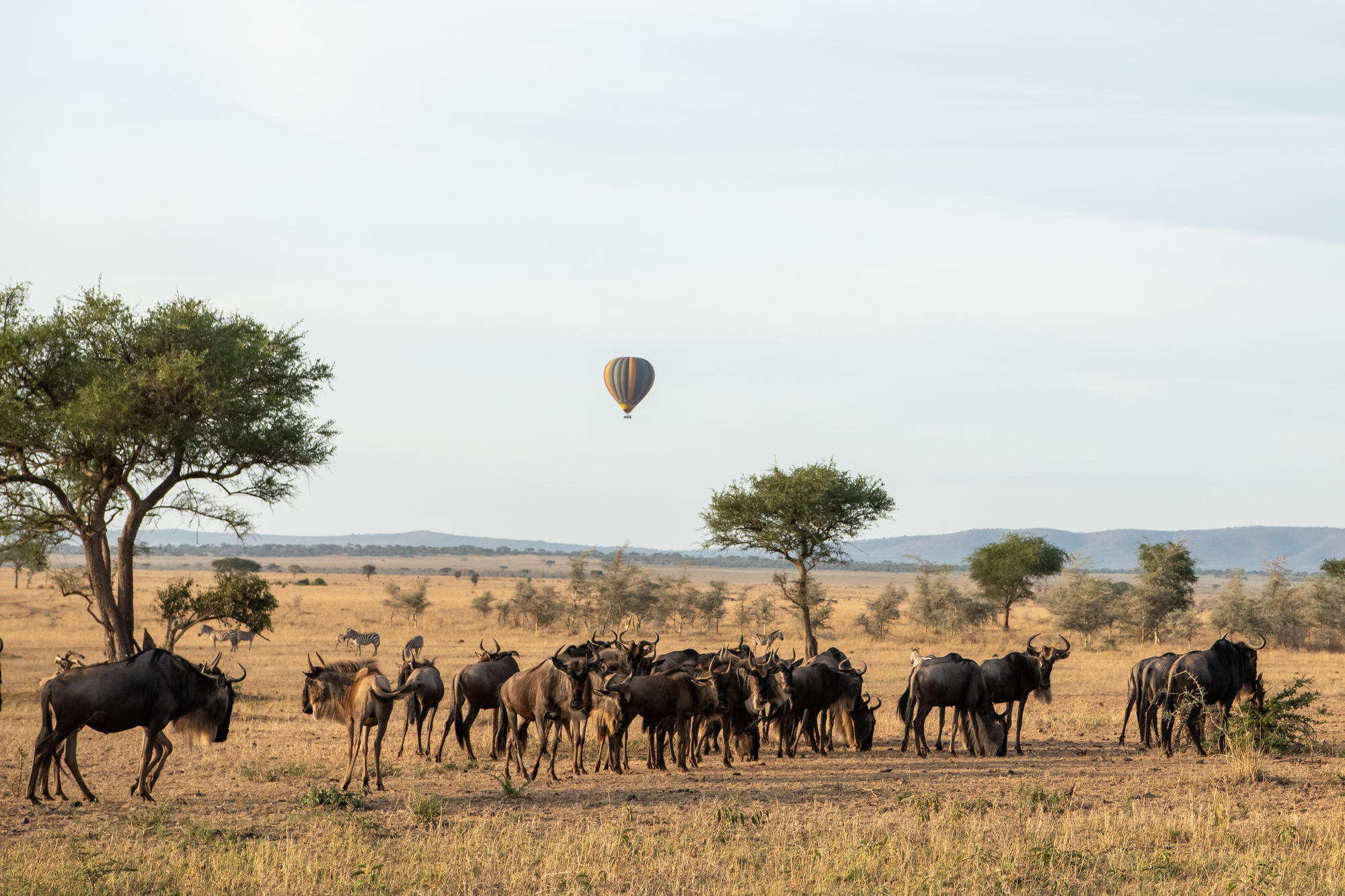 This is the centrepiece. You travel from Tarangire up to the Serengeti, usually with a stop at Olduvai Gorge en route. The Serengeti deserves three full nights because it is vast, and where you stay should follow the wildlife. From roughly June to July the migration herds are typically in the western and central Serengeti; by July to September the dramatic Mara River crossings unfold in the north; from December to March the herds calve on the southern plains near Ndutu. We position your camp accordingly rather than booking a fixed lodge and hoping. If your dates fall in migration season, this is the stretch where you will see it, and our dedicated guide to the Serengeti Great Migration explains the timing in detail. Even outside migration months, the resident lion, cheetah and leopard populations make the Serengeti the strongest big-cat destination in East Africa. We build in at least one early-morning departure with a packed breakfast, because the hour after sunrise is when predators are still active and the light is best for photography. A hot-air balloon flight over the plains at dawn followed by a Champagne bush breakfast is the one optional add-on we recommend without hesitation; it transforms how you understand the scale of the ecosystem.
Days 8-9: Ngorongoro Crater
 From the Serengeti you descend toward the Ngorongoro Conservation Area, staying on the crater rim. Day 9 is a crater-floor game drive, one of the densest concentrations of wildlife anywhere on earth: around 25,000 large animals live within the 260-square-kilometre caldera, including the black rhino that completes the Big Five for most visitors here. Because the crater is enclosed, sightings are reliable in a way few other places can promise, which makes it the ideal finale to the safari. By the end of Day 9 you have covered three distinct ecosystems and, with luck, all of the Big Five.
Day 10: Transfer to Zanzibar
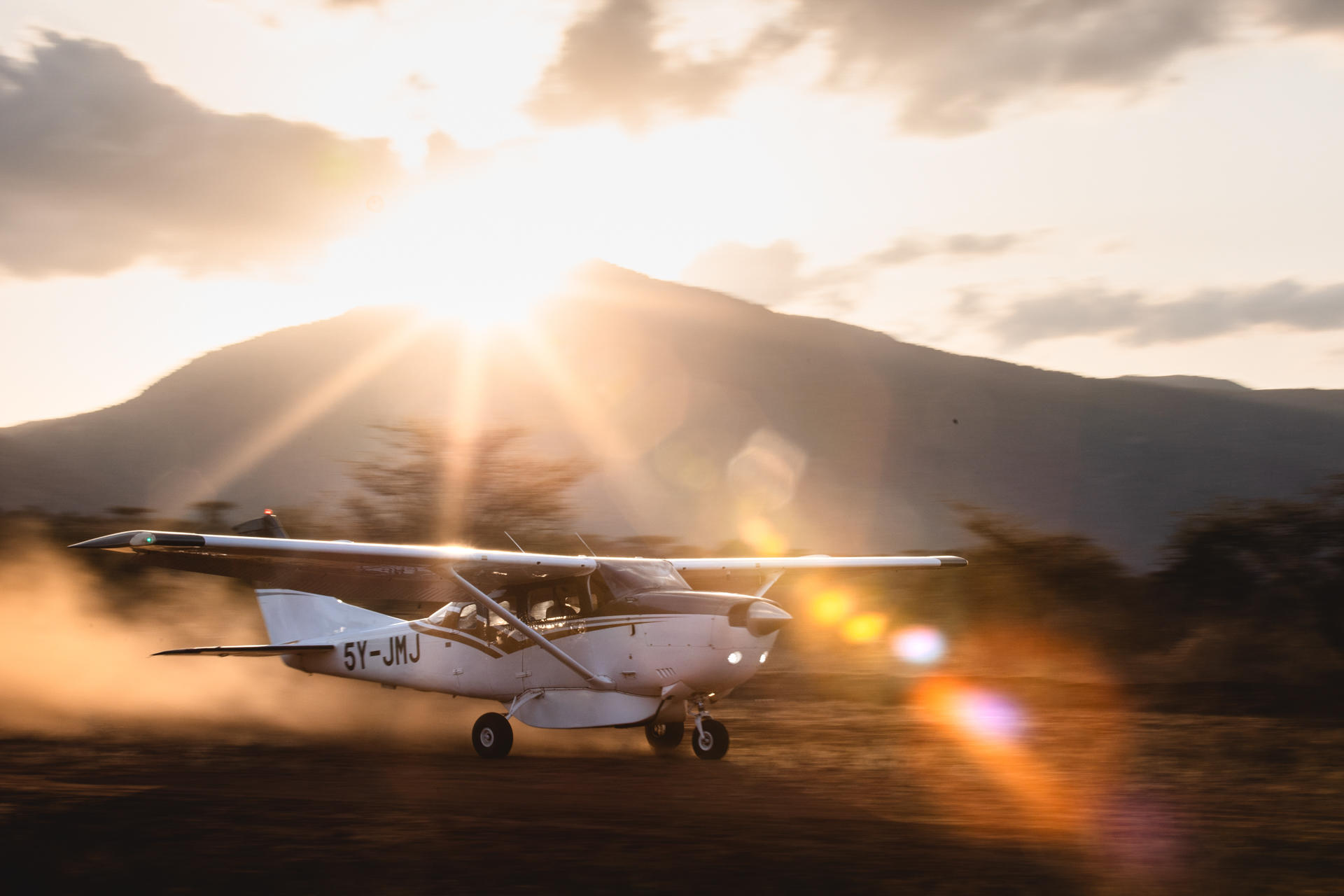 This is the logistics hinge of the whole trip, so we plan it carefully. You drive back toward Arusha and fly from either Arusha Airport (ARK) or Kilimanjaro (JRO) to Zanzibar (ZNZ). The flight is short, around 75 to 90 minutes direct, and several airlines run it daily. We always book a morning safari-side departure so that if weather or a delayed game drive interferes, there is buffer before the island connection. Expect a luggage weight limit of 15 to 20kg on light aircraft, which is why we advise soft duffel bags over hard cases. On arrival at Zanzibar you transfer to your beach resort, typically on the north or east coast, and the pace finally drops. This safari-to-beach transition is the single most underestimated part of a Tanzania safari Zanzibar package, and getting the flight timing right is what keeps Day 10 relaxing rather than stressful.
Days 11-14: Zanzibar Beaches and Stone Town
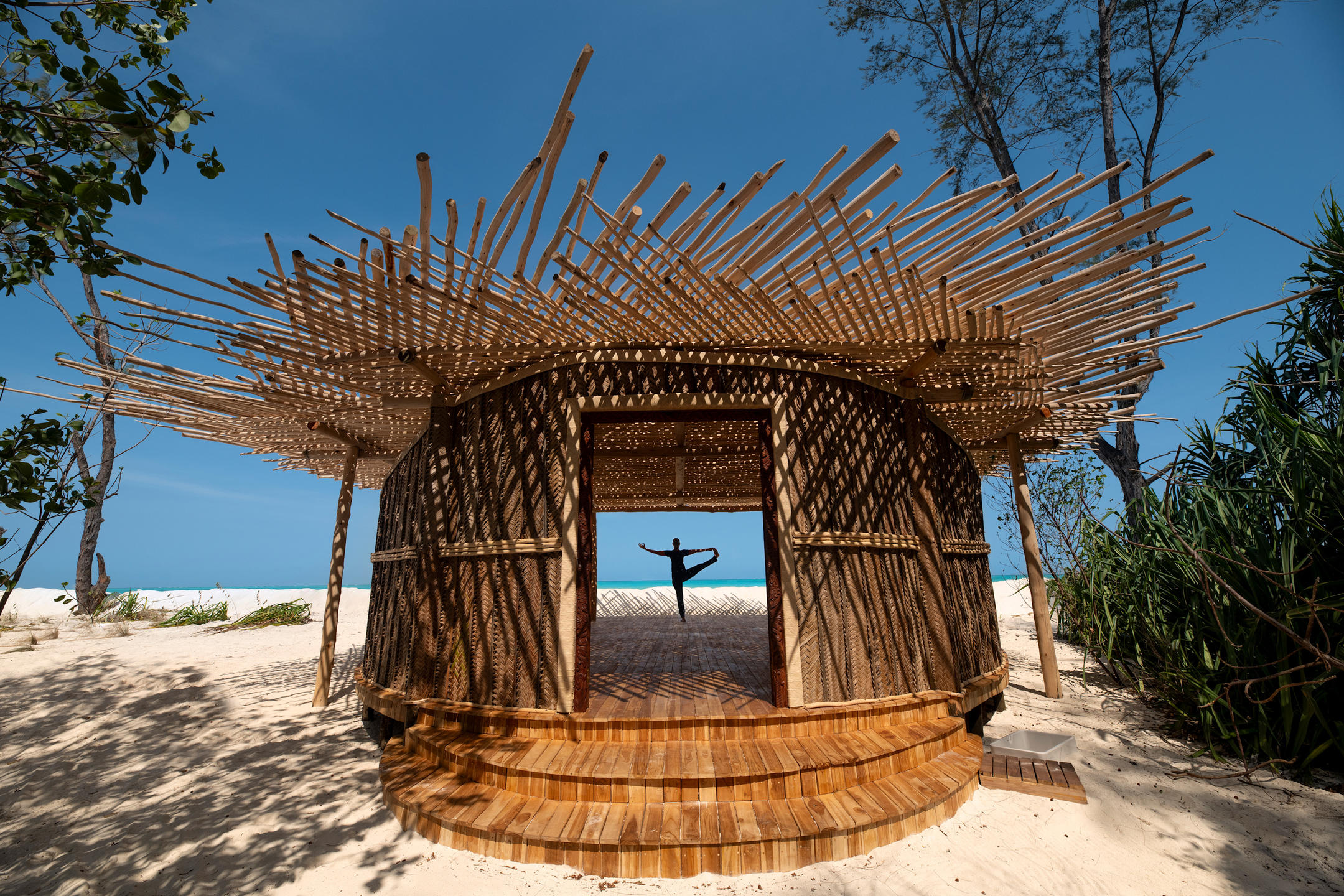
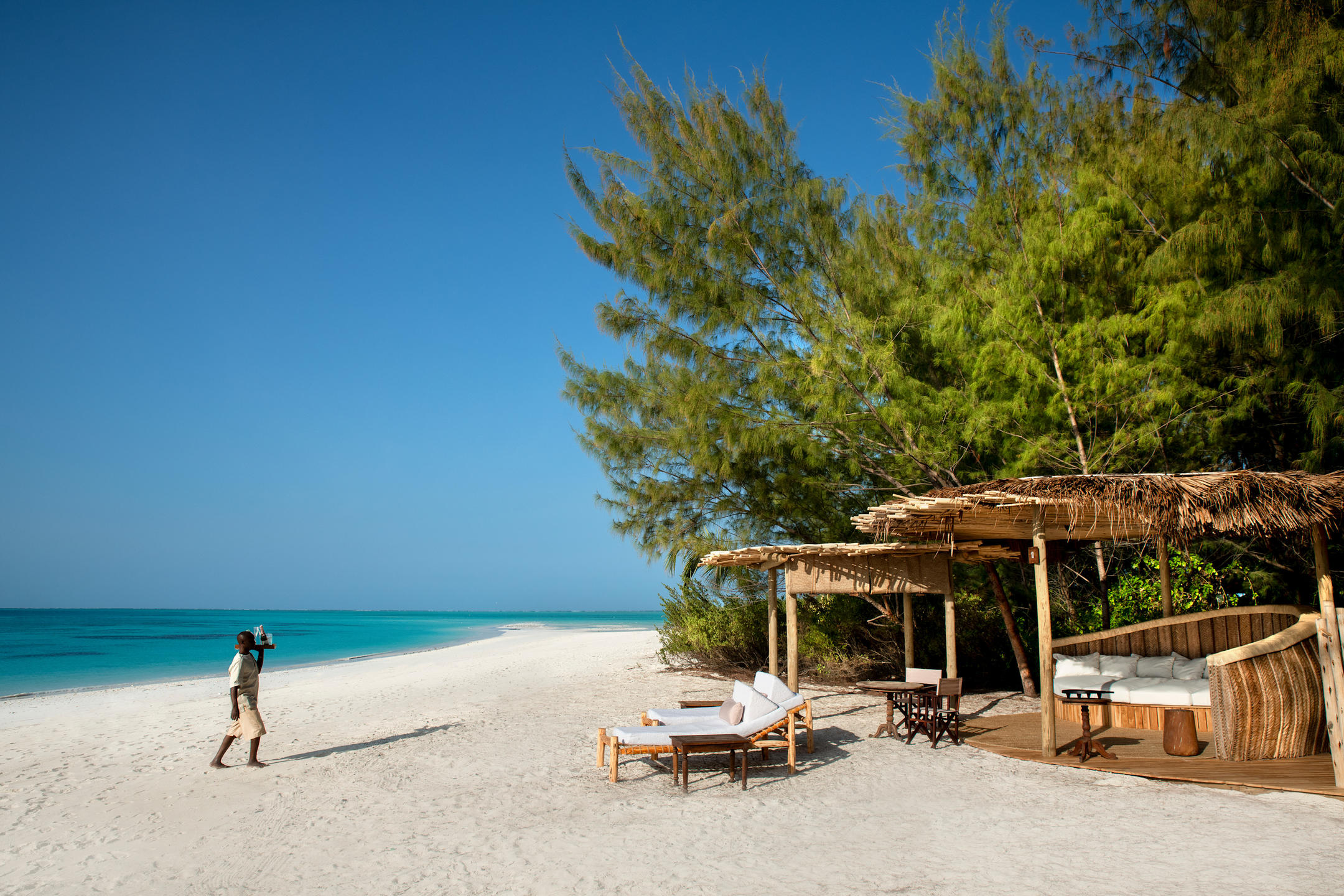
Five nights on the island gives you genuine rest plus a few highlights. We usually suggest two nights exploring and three nights doing very little. Nungwi and Kendwa in the north have the best swimming at all tides; the east coast beaches like Paje are dramatic but tide-dependent. A half-day in Stone Town, a UNESCO World Heritage site, covers the spice history, the old Arab and Swahili architecture, and the markets. Snorkelling or diving at Mnemba Atoll is the standout in-water activity, and a spice farm tour explains why Zanzibar was worth fighting wars over. The east-coast tides are worth planning around: at low tide the water can retreat several hundred metres, which is spectacular for kite-surfing at Paje but means you cannot always swim on demand, whereas the deep channel at Nungwi stays swimmable through the day. We match your resort to how you actually want to spend the days, whether that is diving every morning or simply not moving from a sun lounger. For a fuller breakdown of where to base yourself, our Zanzibar beach holiday guide compares the main coasts. You fly home from Zanzibar, often via a connection through Dar es Salaam, Nairobi or Doha depending on your airline.
What a Tanzania Safari and Zanzibar Itinerary Costs
We design exclusively at the luxury and ultra-luxury end, so every element is private and the camps are the best-located in their region. Our trips start from US$7,500 per person per week, which places this 2-week safari and beach holiday in Africa from around US$15,000 per person, with ultra-luxury itineraries using flagship tented camps, private villas, exclusive-use vehicles and helicopter transfers running considerably higher. These figures exclude international flights but include the internal Zanzibar flight, all park entry and Ngorongoro Crater fees, full-board luxury accommodation, and a dedicated private guide throughout. The main variable is your choice of Serengeti camp and island resort, where the finest properties command premium nightly rates that the location, privacy and service fully justify. We price every Tanzania safari package transparently so you can see exactly where the investment goes before committing.
Practical Tips From 10 Years of Booking This Route
Pack a single soft duffel for the safari portion and keep beachwear in a separate packing cube so you are not unpacking dusty safari kit on the island. Bring neutral colours (avoid blue and black, which attract tsetse flies), a warm layer for chilly Ngorongoro mornings, and reef-safe sunscreen for Zanzibar. Anti-malarial medication is recommended for both regions; consult a travel clinic six to eight weeks before departure. A yellow fever certificate is required if you are arriving from or transiting a country with risk of transmission. Zanzibar is a predominantly Muslim island, so modest dress in Stone Town and villages is appreciated even though beach resorts are relaxed. Finally, book 8 to 12 months ahead for July to September and the December holidays, the two periods when the best camps sell out first.
Frequently Asked Questions
How many days do you need for a Tanzania safari and Zanzibar?
Two weeks is ideal: eight or nine days on the northern safari circuit and five on Zanzibar. You can compress it into 10 days by trimming the beach to three nights or dropping one park, but 14 days lets both halves of the trip breathe without rushing the early game drives or the island.
What is the best time of year for this trip?
June to September is the prime window: dry-season game viewing, Mara River crossings in the northern Serengeti, and sunny, low-rainfall weather on Zanzibar. January to March is the second-best period, offering the Serengeti calving season and excellent predator action, with warm island weather between the two rainy seasons.
How do you get from the safari to Zanzibar?
You fly. A short 75 to 90 minute flight connects Arusha or Kilimanjaro to Zanzibar, with several daily departures. We book a morning departure to leave buffer for any safari-side delays, and we keep luggage within the 15 to 20kg light-aircraft limit by recommending soft bags.
Is Tanzania safari and Zanzibar safe?
Yes, both are well-established tourist regions visited by hundreds of thousands of travellers each year. Standard precautions apply: use reputable operators, follow your guide's instructions on safari, and take normal care with valuables in Stone Town. Health preparation, particularly malaria prevention, matters more than security concerns.
What is included at this level?
Every itinerary is fully private and full-board. The price covers your internal Zanzibar flight, all park and Ngorongoro Crater fees, luxury tented camps, a five-star beach resort, and a dedicated private guide with a 4x4 throughout. You always travel as your own party, never on a shared vehicle. International flights and optional extras such as a balloon safari or helicopter transfers are the main additions, and we tailor every camp to the migration and to how you prefer to travel.
Ready to Plan Your Trip?
This itinerary is a starting framework, not a fixed package. We tailor every Tanzania safari and Zanzibar itinerary to your dates, your migration priorities and your preferred level of comfort, then handle the flights, park permits and camp bookings so the two halves connect seamlessly. If you would like us to build your version of this trip with live pricing for your travel month, send us your dates and group size and we will come back with a detailed proposal. Request this itinerary through our inquiry form and one of our Tanzania specialists will start planning with you.
Help Me Plan