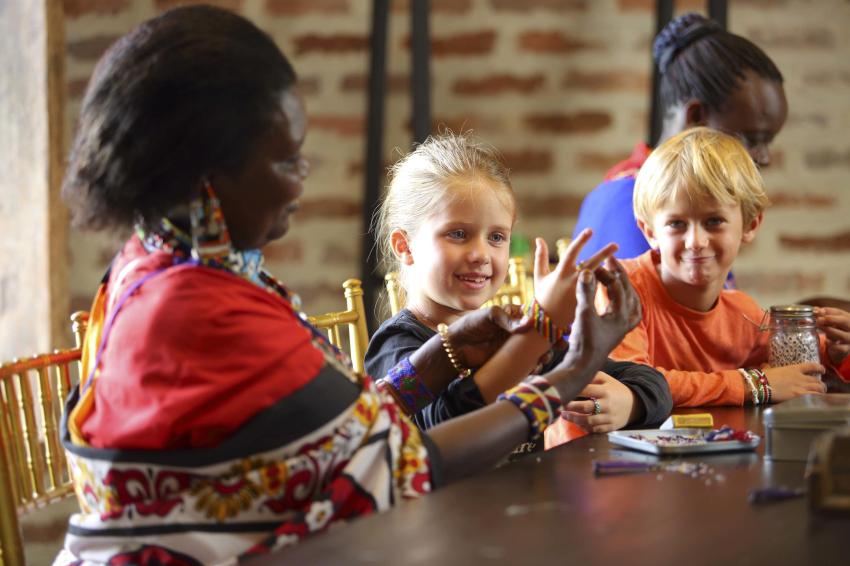
For many families, embarking on a safari in Africa is venturing into the unknown, with lots of new and thrilling experiences on the horizon. Travelling in remote wilderness areas and getting up close to large (and potentially dangerous) animals is not something you do on a daily basis.
So it makes sense that you may have safety concerns or questions about the precautions you need to take. Will you be exposed to wild animals at your safari camp? What vaccinations do you and your children need? Is safari travel insurance mandatory for families?
In this guide, we’ll answer all of these questions and more, plus provide you with our top family safari safety tips. It’s designed to give you peace of mind that you’re embarking on the adventure of a lifetime, having addressed all the necessary precautions and prepared for all possible situations.
Choosing African family safari accommodations that are safe and secure
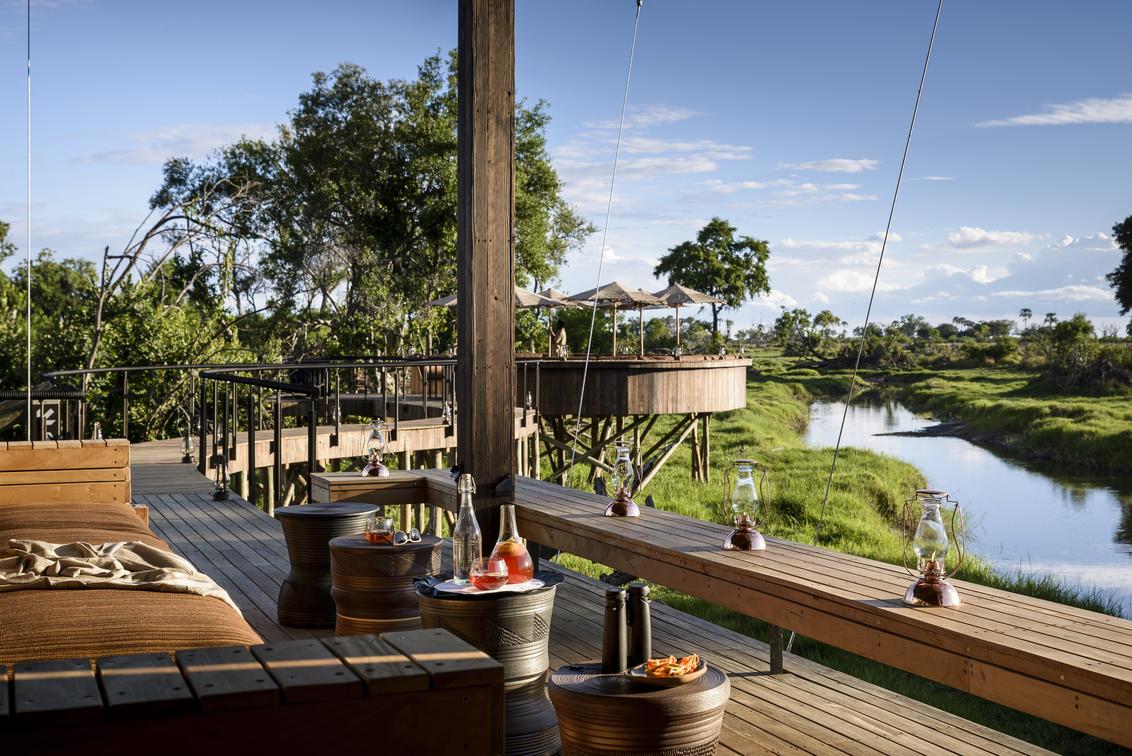 When it comes to safety, selecting the right camp or lodge is more important than deciding on a particular country or destination. Although the stunning scenery and wildlife are the primary attractions of a safari in Africa, the choice of accommodation can significantly influence the experience for both children and parents.
Most safari camps and lodges in Africa are unfenced, so wildlife may pass through at any time. While this is all part of the thrill, it also means you have to be extra careful when walking about, especially if you are travelling with young children - they must be supervised at all times.
It is possible to find family safari accommodations that are completely fenced or with security personnel monitoring the perimeter 24/7 to prevent dangerous wildlife from entering. Always check before booking if this is something that is important to you.
One of our top family safari safety tips is to always follow the rules and regulations of the camp (these will be explained to you when you arrive). Never go wandering off without a local guide at your side, even if you are accustomed to doing so in wilderness areas back home. African wildlife can be unpredictable in their behaviours and it’s just not worth the risk!
There will be plenty of opportunity to get up close to animals on game drives and bush walks, which are led by highly trained guides who are equipped with radios, first-aid kits and sometimes firearms as a precaution. Don’t be concerned if you see local rangers carrying guns - it’s for your protection! The instructions and guidance of local staff are essential, as they are trained to spot potential hazards and take evasive action if needed.
At the best safari camps and lodges, the vehicles are regularly serviced and fitted with seatbelts. Always utilise these if they are available and only remove them when advised by your guide. Never get out of the vehicle unless your guide has deemed it safe to do so and encourage children to keep their limbs inside at all times.
Some camps have on-site medical staff and most will have access to on-call doctors to handle any accidents or illnesses. Always check before booking if this is something you are concerned about for your family on safari. At a minimum, most will have staff with basic first-aid training to address minor accidents and injuries.
If you’re planning on utilising a kids’ club or babysitting services at your chosen camp/lodge, look for options with friendly and attentive staff who truly love engaging with children. This will give you peace of mind, enabling you to fully enjoy the safari experience, knowing that your kids are in safe and caring hands. Read reviews from previous guests to get their insights and experiences with staff to help you make an informed decision.
Safari health tips for families
 Before embarking on your safari adventure, it's important to prioritise your family's health by consulting a healthcare professional well in advance of your trip. Your doctor can provide valuable guidance based on knowledge of the health risks impacting your destination and your family’s individual health needs.
During your appointment, make sure to talk about the necessary vaccinations for your travel location, which often include yellow fever, typhoid and hepatitis A and B. Additionally, enquire about anti-malarial medications if you're heading to a malaria-prone region, and discuss suitable options for your children.
While on safari, you can further protect yourselves against biting insects by using insect repellent and wearing loose-fitting, long-sleeve clothing to cover your skin. At bedtime, ensure you use any provided mosquito nets and tuck them securely under the mattress for maximum protection.
It's also a good idea to stay informed about any health advisories or alerts related to your travel destinations, as this knowledge will help you make well-informed choices and take necessary precautions. Most governments offer travel advice on official, state-run websites, including important safari health tips for families and safety information for travellers.
Regardless of your safari destination, it's essential to invest in comprehensive travel insurance, even if this is not a mandatory requirement of your safari camp or lodge. A travel insurance policy offers financial protection against potential (and expensive) issues that may occur during your African safari, including trip cancellations, medical emergencies and evacuations.
To obtain the right level of coverage tailored to your needs, it's crucial to answer all questions on the insurance application thoroughly and honestly. Failing to provide complete or truthful information could result in inadequate coverage or even nullify your policy.
When browsing safari travel insurance policies, be sure to review what is covered and what isn't, along with any excess you may need to pay when filing a claim. Specifically, look for policies with trip cancellation and interruption benefits, which reimburse you for non-refundable expenses if you have to cancel or shorten your safari due to illness, injury or severe weather.
Sufficient emergency medical coverage is also essential, as access to quality healthcare may be limited in remote safari locations. It’s also a good idea to get a policy that includes emergency medical evacuation and transportation, in case you or a family member faces a serious illness or injury requiring airlift to a large medical facility.
While this may sound confronting, it really is a “worst case scenario” and the chances of it happening are slight. That being said, it’s best to be prepared, rather than finding yourself footing the bill for multi-thousand-dollar helicopter flight to get one of your loved ones to a hospital.
Practical on-the-ground safety tips during a family safari
 While there are inherent risks associated with any safari adventure in Africa, there are also practical guidelines you can follow to minimise the chance of anything bad happening to you and your family.
First and foremost, always heed the guidance and instructions provided by your safari guides, as they possess invaluable knowledge about navigating the wilderness and interacting with wildlife. Maintain a respectful distance from all animals, resisting the temptation to approach or feed them, as even seemingly docile creatures can behave unpredictably when feeling threatened.
It’s also important to avoid making loud noises that may startle the wildlife, as they will swiftly run away and/or hide. Encourage your children to talk quietly while out on safari - something that will be easier to achieve with some kids than others.
It's crucial to remain within your vehicle during game drives, as the open savannah can pose unexpected and invisible dangers. When outside the vehicle (in designated areas), stay vigilant and aware of your surroundings, and never allow your children to wander off, even if they need to go to the toilet. Simply let your guide know and they will provide you with a safe solution.
During cultural visits, it’s important to be mindful of and respect local customs to ensure a positive experience for both yourself and the communities you visit. Dress modestly, avoiding revealing or flashy clothing, and check with your guide regarding any cultural norms or etiquette. Always ask permission before taking photos, as some tribes believe that cameras can capture a part of the soul.
Lastly, protect yourself from the sun by wearing a wide-brimmed hat, applying ample sunscreen and staying hydrated throughout the day. They are simple measures that can make a big difference to your overall experience, particularly in hot and humid environments.
By adhering to these safety measures and exercising common sense, you can fully immerse yourself in the natural wonders of the African bush while minimising any potential risks to your family.
Looking for more family safari planning tips or safety advice for Africa travel? connect with one of our safari experts today.