
Ngorongoro Conservation Area is undeniably one of Africa's most precious treasures and is among Tanzania's most visited parks.
Ngorongoro Conservation Area is undeniably one of Africa’s most precious treasures and is among Tanzania’s most visited parks. The conservation area spans vast expanses of savanna, highland plains, woodlands and forests, covering 8,292 km² of area.
It has been noted that there are about 42,000 Maasai tribe members living within the Ngorongoro Conservation Area. They live off the land, harmoniously with the wildlife that inhabits the area. As the tribe have cattle, sheep, donkeys and goats, they also move around the area in accordance to the needs of their animals.
Ngorongoro Crater
The major draw is the famous Ngorongoro Crater, a huge volcanic caldera which was formed several billion years ago after its giant volcano exploded and collapsed. The crater is 610 meters deep and is teeming with huge populations of wildlife. In fact, this UNESCO World Heritage Site is known to feature almost every animal species present in East Africa.
Location: Between Lake Manyara National Park and Serengeti National Park.
Opening Hours: 6am to 6pm daily, except in Seneto Descent Gate which closes at 4pm.
Things To Do: Game Drives, Bush Picnics, Olduvai Gorge Historic Site, Empakai Crater hikes, Ol Doinyo Lengai hike, Olmoti Crater hike, and Maasai cultural visits.
Famous For: Black rhinoceros, stunning views, Maasai villages, and the calving season of the iconic Great Wildebeest Migration.
Best time to visit: The unique thing about Ngorongoro Conservation Area is its stellar game viewing opportunity all year-round.
Recommended Tours
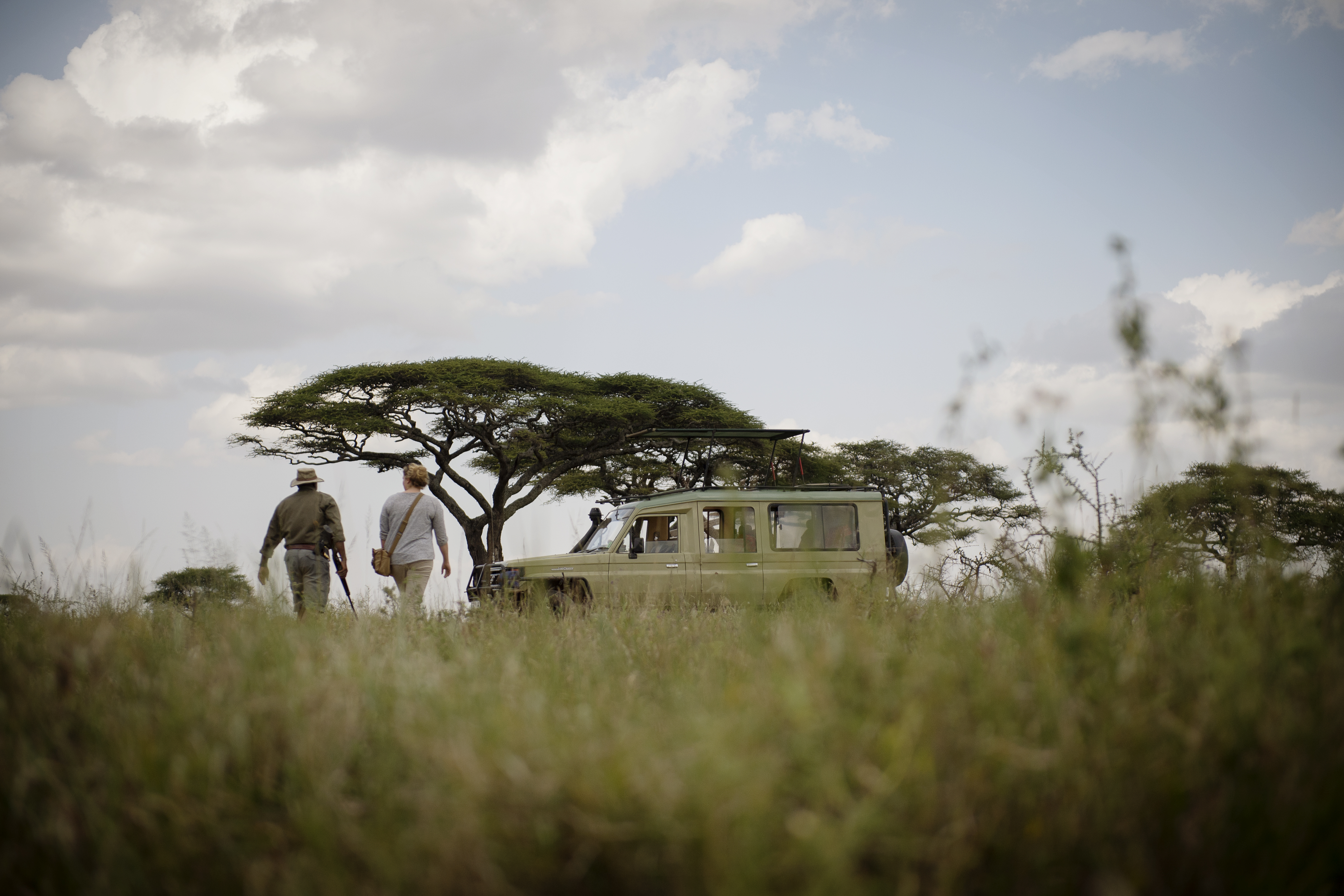 Tours & SafarisNorthern Tanzania EncompassedThis signature Safari Experience will take you to all the northern Tanzania National Park.…View details
 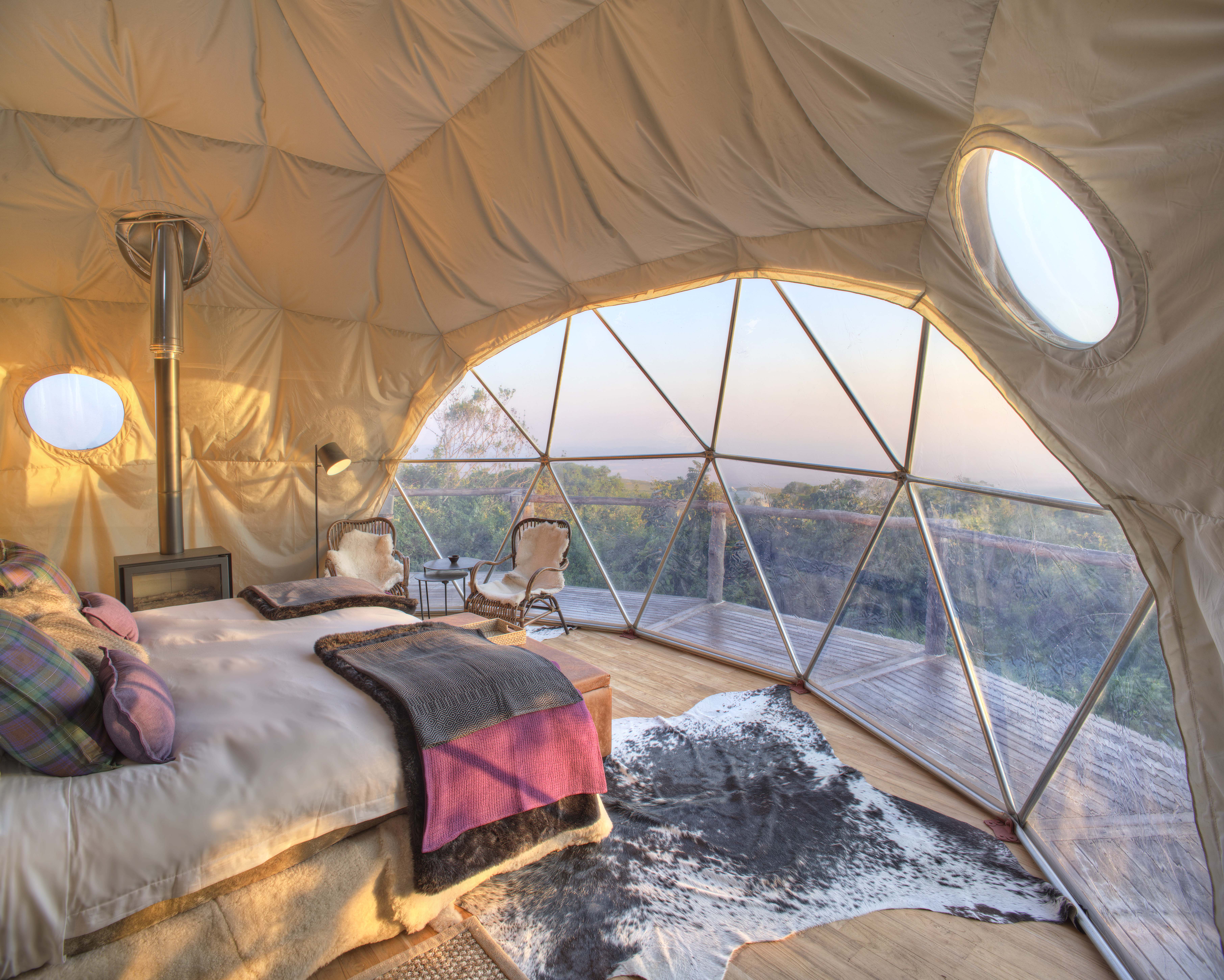 Tours & SafarisNorthern Tanzania Glamping SafariIts called glamping, a fresh word for a new kind of travel, defined as glamorous camping…View details
 Reminders:
- Only 6-hour safari permits are issued so visitors can either do a 6-hour morning game drive or a 6-hour afternoon game drive.
- Only authorized safari vehicles with important safari equipment are permitted inside the park
- All visitors to the Ngorongoro Crater must be accompanied by a licensed guide.
- Pets are not allowed in the conservation area.
Wildlife
Ngorongoro Conservation Area boasts of a wildlife that’s known to be out of this world. The area contains over 25,000 large animals including almost all major animals such as elephants, buffaloes, hyenas and cheetahs. Although giraffes can’t be found in the Crater, this bowl of sheer magnificence is home to the world’s highest density of lions, with 62 being recorded as of writing. Critically endangered black rhinoceros also thrive a fairly stable population in this area.
Ngorongoro Conservation Area also guarantee sightings of the famous migratory hooves. About 7,000 wildebeests, 4,000 zebras, 3,000 eland and 3,000 Grant's and Thomson's gazelles are found in this area along with leopards, mountain reedbucks, rare wild dogs, jackals and other felines, which are abundant in the Crater rim.
>> Get a special offer when booking Andbeyond Crater Lodge with us and save upto 10% >>
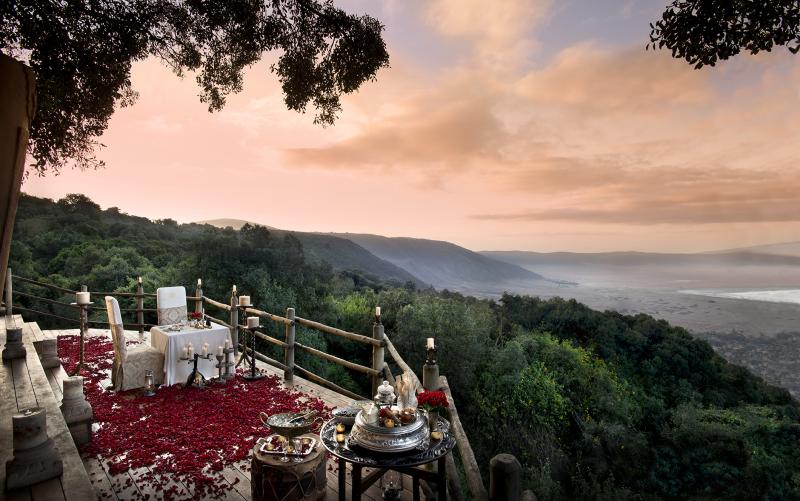 AccommodationandBeyond Ngorongoro Crater LodgePerched above cool, swirling mists on the edge of the Ngorongoro Crater, the sumptuous safari suites at &Beyond Ngorongoro Crater Lodge offer breath-taking views. Inspired in …View details
 Birdlife
Encompassing a good number of lakes namely Lake Magadi, Lake Ndutu and Empakaai Crater Lake, Ngorongoro Conservation Area features a vast, fascinating avifauna. In fact, more than 500 species of bird have been recorded within the area. These include crowned cranes, white pelicans, flamingoes, ostriches, secretary birds, white-eyed slaty flycatcher and the Livingstone turaco.
Other park highlights
Beyond the Ngorongoro Crater, Ngorongoro Conservation Area encompasses several unique and fascinating attractions.
Are you on a tight budget and still wich to experience Ngorongoro Crater check our Classic Tanzania Safari >>>
.jpg) Tours & SafarisWildlife and Culture Classic SafariAn exclusive classic safari tour to the two most famous safari destinations of Tanzania, Ngorongoro Conservation Area and Serengeti National Park. Both are known for their hum…View details
Tours & SafarisWildlife and Culture Classic SafariAn exclusive classic safari tour to the two most famous safari destinations of Tanzania, Ngorongoro Conservation Area and Serengeti National Park. Both are known for their hum…View details Olduvai Gorge
Olduvai Gorge is an attraction that has left an important mark in human history. Millions of years ago, Olduvai Gorge was a lake until Olmoti Volcano erupted and created this striking landscape. The gorge is home to animals including giraffes, impala and reptiles such as brightly colored Agama lizards. But its allure doesn’t stop there. What makes this gorge a world-famous historical site is that this is where the first Homo Habilis remains was discovered, a skeleton showing the initial stage of human evolution.
You can also find Olduvai Gorge Museum in here. Historic artifacts, ancient footprints and many more can be viewed by visitors.
Shifting Sands
Tucked near Olduvai Gorge are two mysterious and yet amazing crescent-shaped dark sand dunes. What makes these dunes mystifying is that it is made from magnetized volcanic ash.as these piles of ash travel across the desert , you can see that instead of being blown away by the wind, the particles gracefully clamp back together and fall back into the dunes.
The local Maasai people believe the shifting sand dunes come from the nearby sacred mountain Ol Doinyo Lengai, which is called the Mountain of God. Due to such belief, the Maasai consider these dunes as sacred.
Lakes Ndutu and Masek
During dry season, animals in Ngorongoro Conservation Area congregate around these two lakes as these become the only sources for freshwater in the area. Resident wildlife that can be easily seen in this area include giraffes, zebras, wildebeests, leopards, bat-eared fox, hyenas and reedbucks. Birdlife is also amazing, featuring storks, kestrels, swallows and many more.
This area, particularly Ndutu, is also where the calving season of the Great Migration takes place. During this time, approximately 8,000 baby wildebeests are being born each day. Naturally, opportunistic predators like lions and leopards are at large.
Recommended Safari Lodges>>
AccommodationandBeyond Ngorongoro Crater LodgePerched above cool, swirling mists on the edge of the Ngorongoro Crater, the sumptuous safari suites at &Beyond Ngorongoro Crater Lodge offer breath-taking views. Inspired in …View details 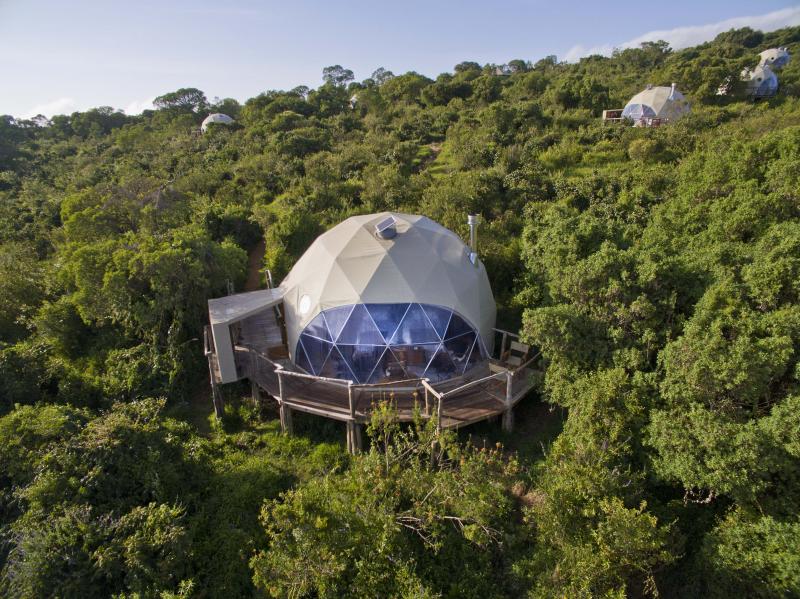 AccommodationThe Highlands NgorongoroThe Highlands Ngorongoro redefines the new camping safari experience with its jaw-dropping style and natural setting on the edge of the mountain forest and Olmoti volcano nort…View details
 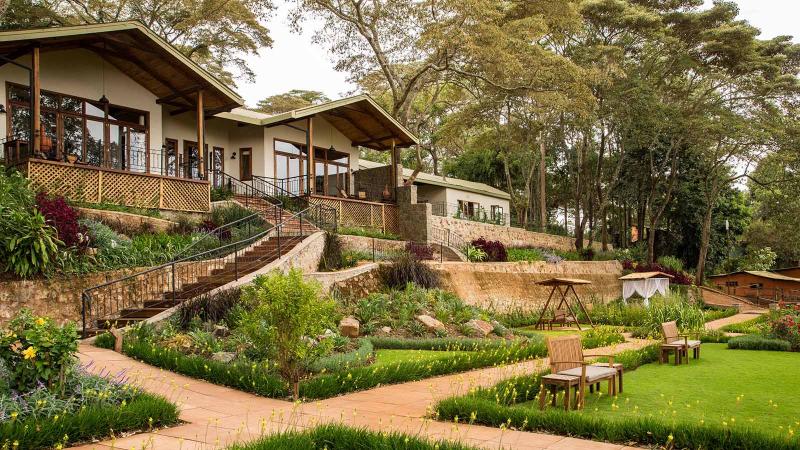 AccommodationGibb's Farm Lodge NgorongoroThis award winning Safari Lodge offers a sense of well-being, peace of mind and history—deeply rooted in African culture and community.…View details
 What makes Ngorongoro Conservation Area unique versus other Tanzania parks
Tanzania has always been known to be the ultimate safari destination. With several front-liners when it comes to safari parks, Ngorongoro Conservation Area still stands out easily. Star attractions in the area include Olduvai Gorge, the “Cradle of Humanity”; the mystical shifting sands; the wildlife-ridden lakes; and if course its main focal point, the Ngorongoro Crater which is the world’s largest inactive caldera. Boasting a spectacular wildlife viewing experience, the Crater is named one of Africa’s Seven Natural Wonders and a World Heritage Site. The experience of peering over a massive bowl filled with well-loved African classic wildlife is in itself unique and cannot be experienced anywhere else in Tanzania.
How to get to Ngorongoro Conservation Area
The best way to get here is to fly into Kilimanjaro International Airport (JRO) in Arusha, the starting point of safari adventures in Northern Tanzania. From Arusha, there are two ways to get to NCA: via road and via air.
Most travelers come to Ngorongoro as part of a bigger Tanzania safari tours package which usually includes Serengeti National Park. Favorably, Ngorongoro Conservation Area is only a three hour drive away from Central Serengeti. From the town of Arusha, it is also a three hour drive away.
If you want to catch the plane, you can book a chartered flight from Arusha Airport (ARK) or Kilimanjaro International Airport (JRO) via carriers like Air Tanzania, Precision Air, Coastal Aviation, Regional Air, Fastjet and ZanAir.
Check out our recommended Family Safari >>
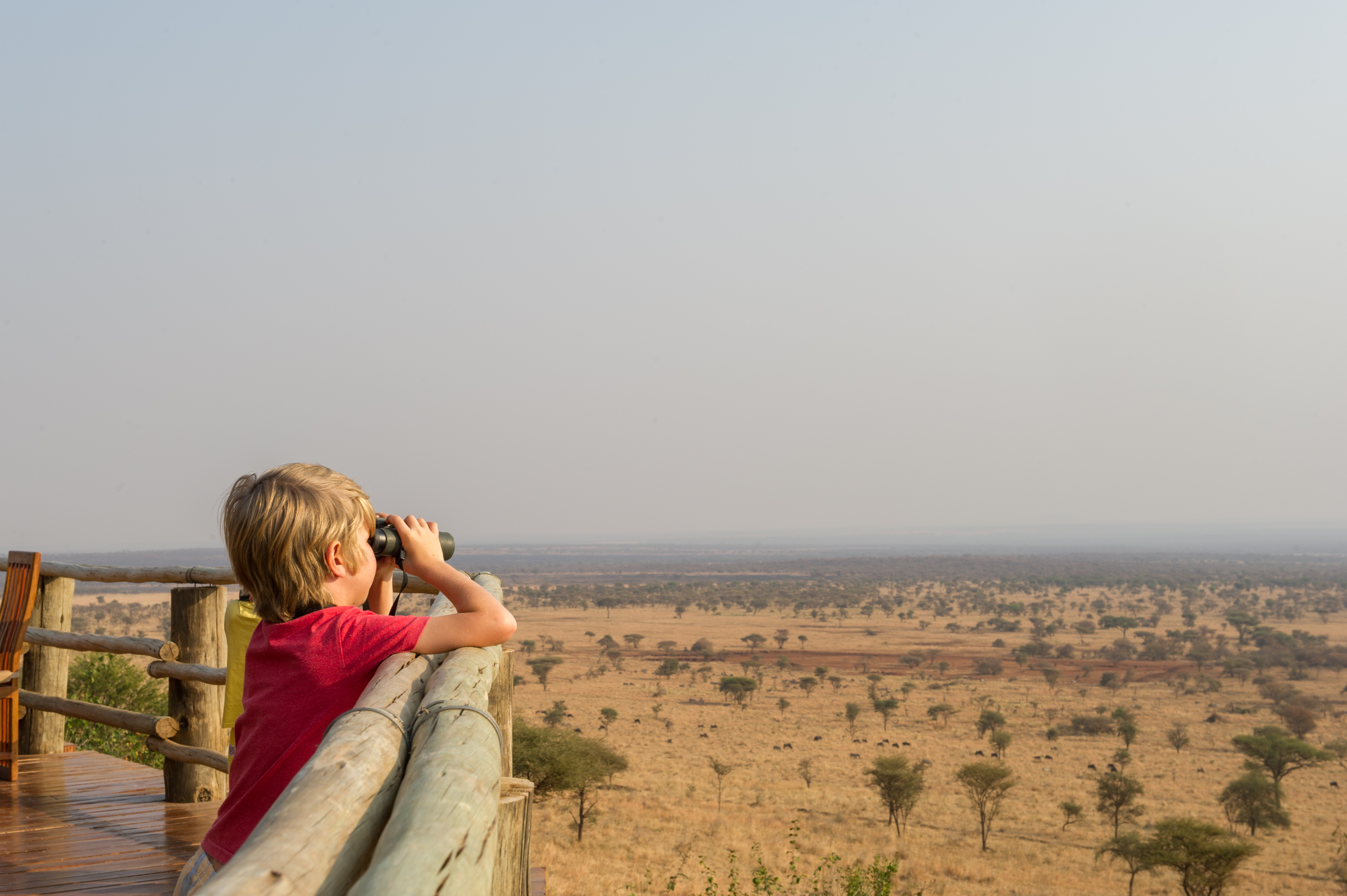 Tours & SafarisNorthern Tanzania Family Safari AdventureOur Family Safari offers younger guests a fun and safe way to enjoy their Safari in the African bush.…View details
 Let us turn this into your trip
Every Vencha journey is tailor-made from real on-ground experience. Share your dates and a specialist will reply within 24 hours.
Plan your safari